In this episode...
- Overcoming the fear of flying at 16 to compete in Budapest.
- Fight IQ, cutting weight, and the "chess match" inside the Octagon.
- The balance between pushing your kids and preserving the relationship.
- How the UFC has globalized and the shift in champion demographics.
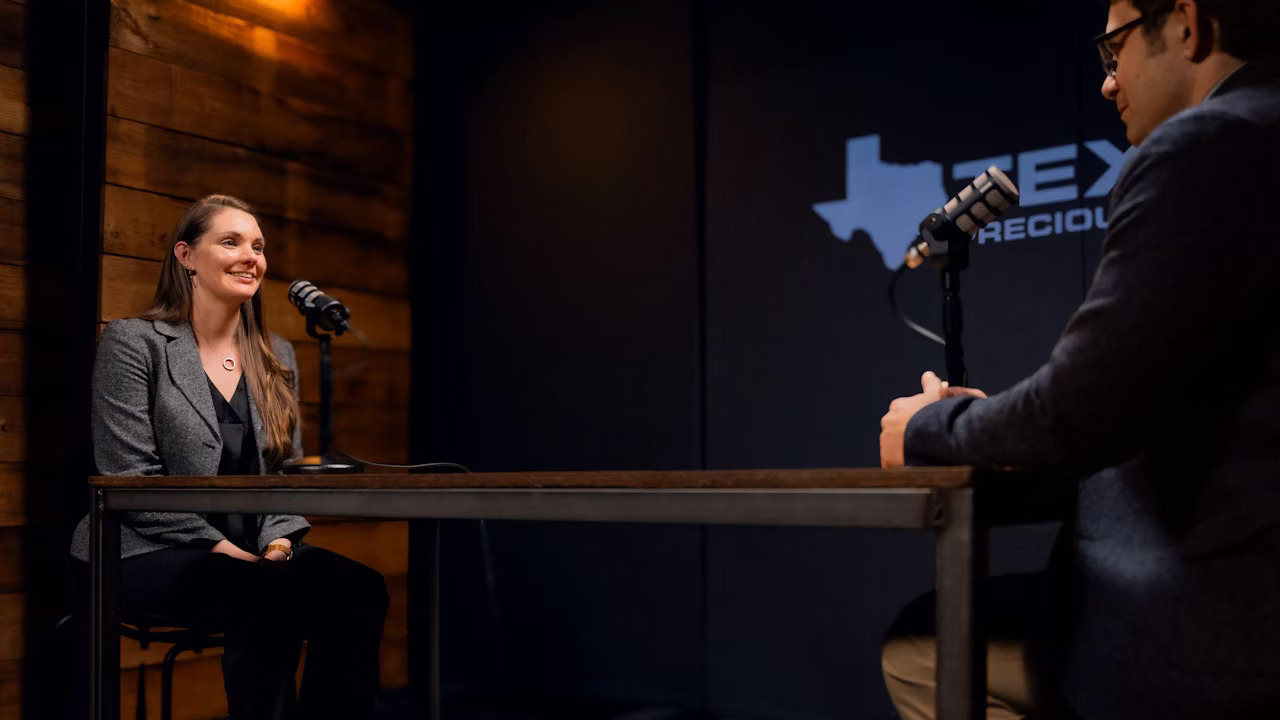
In this powerhouse episode, Tarek sits down with UFC legend Daniel Cormier at his gym in Gilroy, California. They go beyond the highlight reels to discuss the crushing lows of Olympic failure, the “obsession” required to pivot careers at age 30, and the leadership philosophy that makes DC a world-class coach. Whether you’re an entrepreneur, an athlete, or a parent, Cormier’s insights on pain, regret, and legacy will hit harder than a right hand.
Key Takeaways
- The Power of the Pivot: At 30 years old, with no striking experience, Cormier transitioned from wrestling to MMA. He explains how he went from “amateur” to Strikeforce Champion in under three years by embracing the “white belt mentality.”
- Pain as a Teacher: DC opens up about the 2008 Beijing Olympics, where a weight-cut gone wrong cost him his dream. He discusses living with that regret daily and using it as fuel to build a legacy that outlasts his own life.
- The Leadership Algorithm: From candy for 5-year-olds to hard truths for pros, Cormier breaks down his “tap dance” coaching style that adapts to the maturity and goals of every athlete he leads.
- The “American Wrestler” Crisis: Cormier analyzes why Eastern European fighters are currently dominating the UFC and outlines his plan to bring American wrestling back to the top of the MMA food chain.
- Legacy Over Currency: Why Cormier chooses to coach high schoolers in Gilroy instead of chasing every dollar, and how he defines success through the achievements of his students and children.
Notable Quotes
“I cannot recall quitting anything in my entire life. I just kept going and going and going, no matter how many times I lost.” — Daniel Cormier
“The pain of regret is the worst pain. No matter how many dollars I collected, no matter how many titles I won, I still can’t let the 2008 Olympics go.” — Daniel Cormier
“Make your goals bigger than just becoming the state champion. Be crazy. Say, ‘I’m going to be the best in the world.'” — Daniel Cormier
Mentioned Resources
- Academy: Daniel Cormier Wrestling Academy / Academy Fight Club
- Gym: American Kickboxing Academy (AKA)
- Show: The Ultimate Fighter
- Media: ESPN / UFC Commentary
0:00 - 0:27
Daniel: You go from a sport and wrestling where you feel underappreciated and then, um, all of a sudden now people are asking you for photos and stuff, right? And it's big. It's a, it's a bit of a shock initially. I think one of the bigger, one of the bigger things for me is I will always give my time to someone that cares because you never know what that interaction does for that person.
0:28 - 0:41
Tarek: Welcome to Y'all Street. Today I speak with Daniel Cormier, a two-time U.S. Olympian, UFC Hall of Famer, and a multi-weight class UFC world champion. Like a cup of coffee?
0:41 - 0:42
Daniel: Yes, I would.
0:42 - 0:43
Tarek: Here you go. Coffee. Cheers.
0:43 - 0:44
Daniel: Coffee. Cheers.
0:44 - 0:49
Tarek: I got you a special coffee mug. Some people just need a hug around the neck until they tap out.
0:49 - 0:52
Daniel: I like that. I've been hugging people around the neck my whole life wrestling.
0:53 - 1:01
Tarek: I thought it was perfect. Man, thanks so much for inviting me to your gym. This is amazing. I'm looking at this timeline of your, your whole career.
1:01 - 1:01
Daniel: Yeah.
1:01 - 1:20
Tarek: And, uh, I was doing a little research before we started this. You have the wrestling Academy. You teach at the Kickboxing Academy. You have the podcast. You're involved with actual MMA fighters, getting them trained and ready to go. You're on a reality TV show. And I just learned today that you're also the coach of the high school wrestling team here.
1:21 - 1:21
Daniel: Yes. Yes.
1:22 - 1:23
Tarek: That's a lot of stuff.
1:23 - 1:37
Daniel: Uh, obviously I have my Daniel Cormier wrestling Academy. An extension of that is the Academy fight club. So last year I did the ultimate fighter against Chael Sonnen. It sparked in me wanting to coach mixed martial arts.
1:37 - 1:37
Tarek: Why?
1:38 - 3:25
Daniel: Because I just hadn't been around it in that way. Right. When I, when I retired, I went right into the commentary and because I was still around the sport, I felt fulfilled. I think a lot of fighters, they struggle because when they're out of that spotlight, they're so removed from it that they kind of look for that thing. And I'll explain this to you a little bit. Like fighting is a, a feeling that you can never replicate. So people, a lot of times they fall in. I mean, I'm, I'm a professional sports. They fall into bad things, trying to chase almost like that high of walking into all those people that just that adulation that love, but I was always at the octagon side. So I felt like I was good. Then I did the show and I was back a part of the development and it sparked it. So I said, I'm going to start a mixed martial arts team. Granted, I've got a lot of, uh, equity in my name in terms of this sport. So when I said I was starting a team, a lot of guys said, Hey, I want to try out. I took trial and now I've got five UFC fighters and we're preparing. So that's the academy fight club. Um, I became the high school wrestling coach. 2019 was my first year. So I'm in year number seven now of high school wrestling coach, because, uh, I think that a high school coach is one of the most important figures in a person's life because I got, I had one, his name is Steven low teeth that I can truly say may have changed my life or the path of where I was going. And I figure it's up to us to give back what we got, right? You, you, when you get blessings and you get people that invest in you and they help you and they help you go forward. I feel it's necessary to do it back. So for me, that's what I wanted to do.
3:25 - 3:34
Tarek: Let's talk about that relationship. So I was, I was curious how you got into wrestling. Was it the coach that recruited you to come in and say, Hey, come on, be part of the team or what happened?
3:34 - 5:38
Daniel: Uh, you know, that's a great question that Tarek, my, my coach, uh, he wasn't this like me, like me, right? Like I have all these wrestling accolades and all these great coaches have all these accolades. Coach Tank wasn't like that. He was a football coach that started coaching wrestling because they needed a coach and he learned it off video cassettes. That's how old I am. I'm dating myself. I swear to God, I live directly across the street from the high school. It's not the best neighborhood. So we didn't have that many things, but what we did have was each other and we were constantly outside. So me and my cousin PJ, his name is Raphael George, by the way, he doesn't like when people say that. So you won't love that. I call him Raphael in front of everybody that's going to watch this, but he was able to get a kicking tee, just a basic kicking tee, the orange tee that you put on the football that you kick. So we're kicking the ball back and forth, but nobody wants to retrieve the ball. Finally, PJ had enough. He was done retrieving. He was the youngest one. And he said, uh, I'm taking my tee and I'm going home. Nobody wanted them to leave. So we start tussling in the front of the school. We're in the, in the big, uh, grass area. This is Louisiana, Lafayette, Louisiana. I mean, my house is literally 80 yards away from the high school. This is the grass pasture. The school's there. My house is there. We're all in here playing, but we're fighting right here. As the coach is leaving the gym, getting onto the street that leads back to going home. He sees kids fighting. He stops over. You guys should not be fighting in the streets. Like so many kids, you should try wrestling. I, I hand to God, hand to God, you should try wrestling. Granted, this is now 1990, 91, somewhere in there. I think I'm going to be Ric Flair. I think I'm going to be WCW. I think I'm going to be Ric Flair. So we go and it's a top and bottom. And they're like, get on your knees and you got to stand up. And I was like, what is this?
5:38 - 5:41
Tarek: Now, how big were you at this point? Were you, were you tiny? Had you hit puberty?
5:41 - 6:27
Daniel: It was probably like a hundred pounds. Yeah. I was like 11. I was like a hundred pounds, 11 years old. Get down on your knees. We all did it. The whole crew of guys did it. But then, um, and we lost and we lost and we lost and they all started kind of dropping off, but I just kept going. I was like, I don't know. I have this, there, Tarek, there's a thing about me and I never noticed it until now. Like lately I don't quit. I, I cannot recall quitting anything in my entire life. And I just think that it was because I started doing it. It was what I was doing at that time. And I just never quit. And I kept going and going and going, no matter how many times I lost, I kept going and going and going.
6:28 - 6:29
Tarek: Is that teachable or is that just ingrained?
6:29 - 6:54
Daniel: I don't know. I, I really don't know. And it became important. It became important. And then as I grew older, it became more important. I just realized how individual it was. And I was responsible for every result on that wrestling mat. It was what I did, the effort I put that allowed for me to either win or lose.
6:54 - 7:02
Tarek: And that perseverance extended, not just in sticking with the sport, but even in the matches themselves, persevering to the very end.
7:02 - 7:29
Daniel: It was the best. I'm a, I was a fighter out there, man. You know, there's two situations that stand out to me the most. There was a kid that used to kick my tail, the entirety of my youth. I never beat him until I was a senior in high school, but he beat me every single time. I would run to the bracket to see that name. Cause I knew if he was there, even when I got better, he's going to beat me. And I was going to be second different school, different school.
7:30 - 7:30
Tarek: Okay.
7:32 - 7:45
Daniel: I remember my senior year, him and I wrestled and I just crushed him. And I was like, Oh my God, how far we've come. There's a funny story to that. He, uh, ESPN did an E60 on me a while back.
7:45 - 7:46
Tarek: Yeah.
7:46 - 8:06
Daniel: Cause I became Daniel Cormier. And the start of it was the guy ESPN found that kid. And he was like, he sat there and he goes, I wrestled Daniel Cormier. When I, when I was kids, he goes out and it was a non event. Cause he wasn't very good. And then they went into, he was like, but then by the time we wrestled as a CEO, he was just a man. It was just a different world.
8:06 - 8:07
Tarek: What changed?
8:07 - 8:28
Daniel: Did you just get bigger and stronger? I grew up, I grew up. I stayed, I stayed in the sport. I started wrestling all year. So whereas those, they would wrestle seasonally. I never stopped. I would travel the world. I went to the world championships and I was 16 years old. First time I ever got on an airplane, my parents stuck me on a plane to Budapest, Hungary. I was like, what are y'all doing?
8:28 - 8:38
Tarek: Like, I know let's, let's pause there for a second. So help me walk me through what's going on in your mind. If you can remember back to when you were 16, you'd never been on a plane.
8:38 - 8:38
Daniel: Never.
8:38 - 8:49
Tarek: You're, you're about to go to the world championships in Budapest, Hungary. You're from Lafayette, Louisiana. We get in fights in the football field. What, how are you processing that as a 16 year old?
8:49 - 9:52
Daniel: I don't know. There is no, well, first off, I tried to lie. So they made me go to the world team trials. I make the team somehow. And, uh, I started screening the calls from the guy from USA wrestling because I didn't want to go. I was scared to get on an airplane. And one day, cause remember we have cell phones. It was caller ID. I would see Roy Oliver the same age. I would see Roy Oliver and I would just decline him or I erased the, the, the message before my dad could get to it. One day he got my dad. He goes, this man has been calling for a month. My mom took me to the post office, got me a passport. They stuck me on a plane. I mean, it felt like the plane was going, but it probably wasn't. If I got on that plane today with the experience of traveling that I have, I would have never felt. I was so scared. And then I, uh, I got there and all these kids who were so committed to wrestling. That's when I realized this was not going to be just a thing I did. This was going to be my life.
9:53 - 9:56
Tarek: So you made that decision at 16 years old.
9:56 - 10:02
Daniel: I was, it was 1995. Uh, I said, this is going to be my life.
10:02 - 10:13
Tarek: When you say this is going to be my life. It's not like there was professional wrestling that you would get into, right? Aside from like we said, Ric Flair or what have you. What did that mean for you to get in a coaching?
10:13 - 11:14
Daniel: College, I was going to go to college from this, right? Louisiana is the big three football, baseball, basketball. And I realized that this, that's not going to be me now because I want to do this thing. I got to the, uh, the semifinals of the world championships and loss. I wrestled a match to make the bronze medal match. And I busted my chin open, right? Blood everywhere. I got stitched in the back. They taped my face and I went and got that bronze medal. And I said to myself, I was willing to do that to represent this country. I want to, I want to represent this country. Now this is all I want to do in this world is represent the United States on the world stage as a 16 year old kid. And then the Olympics happened and I watched Tom brands. I watched Kurt Angle become Olympic champion. I said, I want to be an Olympic champion. And that's all I did. Like I, I knew it. I did just something spoke to me as a young kid in a place where there is not much wrestling.
11:14 - 11:17
Tarek: How to feel to you to put on the Jersey and have it say U.S.A?
11:17 - 13:02
Daniel: Dude, Trek, man. When I, as a kid, I could not believe it. I really could not believe it. You know, I was explaining this to my fighters and my high school team. The other day, I grew up in a place where there wasn't much in terms of financial, but you can work hard and you can do everything. And my parents loved me so much. And no matter what I did, they thought my mom would tell me how strong I was. I was a little fat boy. She's like, you're so strong, baby. You're going to be all right. I'm like, Oh my God. Yes. So I got my little fat arm like this. She's like squeezing it. It's all jiggly, but she's just always like uplifting me in no matter what I thought I was going to do. She gave me the confidence to believe that I could do it, but I do believe right. The world is a big place. So when I would walk around Louisiana going, I'm going to be a state champion. Everybody's like, you're crazy. Yeah. Okay. Then I make the world team. I think, what are you going to do over there? I'm going to be a world champion. Think about the insanity that that must've sounded like to people that were normal. Cause to think that you can be the best in the world, that's something you got to have a little crazy or it'll sound crazy to people. And I just put that Jersey when I got my stuff and I got the red, white and blue. I was like, yo, I'm actually representing the United States of America. And I just had so much pride, man. I, even now I can't, I hear the national anthem in my, my heart skips a beat almost every time. And like, uh, chill bumps on my arm. I love it. I love this country.
13:03 - 13:35
Tarek: It was so surprising to me walking into the gym today and seeing the younger boys, the high school boys, their homeschool, and they're getting ready to get rolling on the mats and so forth. And I'm just, I'm fascinated by this period in your life because there were a lot of decisions that happened. A lot of forks in the road that happened for you when you're a young man, when you're a teenager. So how do you, what is the message that you're giving to these young men? How do you teach them to never quit? What in your life is the example that they can look up to to say anything is possible?
13:35 - 15:36
Daniel: Oh, there's just so many, right? There's just so many, first off, like just look at where coach started, right? Look at where I look at where I started. Look at what I became. My, my journey was never easy because I always, I made decisions while I was making all those great decisions. I was also making bad decisions. Academically. I was not strong when I was a kid, was not strong academically. And part of that was because the commitment I can make to athletics, I wasn't making the classroom. I didn't have the knowledge of knowing because nobody's ever done it. Like, it's not like my family was a whole bunch of people that went to college. It was me. I was the first one that did right. Then my sister followed. And then I took a lot of my nephews and cousins and they all have master's degrees because they all came and live with me because guess what? Now it was something that we did. Whereas I was the one that had to go and do it first. Most people just work in the bricklaying businesses that my own. So I wasn't good at academically. So I ended up going to junior college. Then I ended up at Oklahoma state university, the greatest wrestling program in history. It was like every time something happened or, and it was all self-imposed and I have to take ownership of that. Now as a 46 year old man, I met the challenge and I just kept trying. So I tell these young men and women, I say, you know, what happens today is only a stepping stone to what's going to be something so much bigger later when they lose, when they're so disappointed. I'm like, man, this is all practice. This is literally all practice. Matters when you are in high school, in college, trying to make a world Olympic team. It matters when you got to show up to work every day to provide for your family. It's all practice. The work that these kids put into a wrestling room, it's harder than what most people will do in their life ever. Just the effort it takes to get through wrestling practice every day.
15:37 - 15:49
Tarek: And there's a lot to take away from wrestling practice that you can apply to life. Yes. And you see that throughout your own career as time goes on. So you mentioned that you eventually get to Oklahoma state, but you were a junior college national champion, right?
15:49 - 15:50
Daniel: Yeah, I was a junior college.
15:50 - 16:03
Tarek: So, so you went to junior college, then you, then you get called up to D1, you're wrestling with some of the best in the country and in the world at that time. And you start very quickly moving into freestyle wrestling.
16:03 - 16:04
Daniel: Yeah.
16:04 - 16:04
Tarek: Right.
16:04 - 16:04
Daniel: Yes.
16:05 - 16:07
Tarek: Now what's the difference between folk style and freestyle for those that don't know?
16:07 - 16:46
Daniel: Freestyle is a, uh, it's the style of wrestling that they wrestle around the world. We, we, we in America are the only ones that wrestle collegiate, right? Where we still control on the ground top, you know, don't expose your back, but freestyle is a faster, much more exciting sport, if I'm being honest with you. And it's the only way to be a world champion. That's why we teach, we teach freestyle wrestling in my Academy from five years old, because I said, you make your goals bigger than just becoming the state champion. Make your goals being the best in the world. Be crazy, be crazy, right? I'm going to be the best in the world at something. It's just a crazy thing to say out loud.
16:46 - 17:08
Tarek: It is. And that journey is so fascinating in just kind of reading about your background because you become champion, but there are a lot of highs and lows for you. There are huge disappointments. You were selected to go to the Olympics and you fought, you finished fourth in your first Olympics. You're just outside of the podium.
17:09 - 17:09
Daniel: Yep.
17:10 - 17:19
Tarek: What, what did that feel like for you? Because on the one hand, you can say I represented my country. I was on the U S Olympic team. I was the fourth best fighter in the world.
17:19 - 17:19
Daniel: Yeah.
17:20 - 17:22
Tarek: On the other hand, you say I didn't get a medal.
17:22 - 19:15
Daniel: Yeah. It was hard because when you're training for the Olympics, you're working harder than you've ever worked in your life with one goal. And that's to be an Olympic champion. I remember losing in the semifinals and saying, I don't even want to wrestle the third place match because I didn't come here for bronze. Now I would check out that bronze looking back, but it's like, you have to understand that because you fell short, doesn't mean that it's over. Can you work your way back to doing it and doing it better? And ultimately I did. And then it was even worse. It was even worse in the second Olympics, right? I went from fourth place to not even competing. And again, these are decisions I made, even as a 29 year old man that ultimately cost me the most important moment of my life, eating bad, not dieting the right way. I had a mentality of, I don't care how I feel going onto that scale. If I make the weight, I'm coming home with an Olympic medal and I made the weight, but I depleted myself so crazy that I just destroyed my own kidneys. So I ended up in the hospital. I didn't even get to wrestle because I did so many things wrong in the build and training camp in at home, not drinking my water, not doing things right. That that's another lesson I can give these kids. Hey, I'm not telling you all these things based on just an assumption. They happened to me good and bad. And I don't lie to my son is going to be in this program next year. I do not lie to him. I tell him I don't show him matches where I just went. I show him me losing. You have to see both sides of the state. And then I made decisions. I made decisions that cost me some of the biggest moments in my life.
19:16 - 19:19
Tarek: When, when that happened to you, were you in Beijing?
19:19 - 19:21
Daniel: I was there hospital. Yeah, I was there.
19:21 - 19:22
Tarek: You are in a hospital in Beijing.
19:23 - 19:48
Daniel: Yeah, I was in, I was in the Olympics. I weigh in, I start feeling so weird. I'm like, what is going on? Like, this is not a normal recovery. By the time I got on the bus, my whole body shut down. I can't walk. They, they took me to the hospital, start sticking IVs in me. And the moment you got IVs, you were, you were eliminated. So yeah, I was at the Olympics, but while the Olympics were going on, I was in a hospital bed.
19:49 - 19:53
Tarek: Now in between the two Olympics, you were also selected to be the captain of team USA.
19:54 - 19:54
Daniel: Yup. Yup.
19:55 - 19:58
Tarek: That's, I mean, that is a huge honor.
19:58 - 20:42
Daniel: Tarek. I am proud of a lot of things in my life. Um, one of the things I'm most proud of is because of the way I work and the way that I approach things, I have been selected captain in, uh, my high school wrestling team, my college wrestling team, the Olympic team, and the American kickboxing Academy for fight. My peers have chosen me to be the leader. And I think that is something that is so important, even in fighting, like the way that fighters today respond to me. I love that because they recognize what I did and they respect what I did.
20:42 - 20:43
Tarek: What makes you a good leader?
20:43 - 20:57
Daniel: I don't know. I don't even know where I developed it. I know that I'm driven. I know that I try hard and that's so annoying to people at times to some people as you try so hard, man, it's annoying, but like, I'm just, that's, it's what I do.
20:57 - 21:20
Tarek: You're a phenomenal communicator and incredibly charismatic. People are, are drawn to you, right? I told you before this podcast, I was texting the boss through it and he said, everybody loves Daniel Cormier. I it's so fascinating to me to see somebody that in the same day is coaching a five-year-old. Yeah. A high schooler and a professional.
21:20 - 21:20
Daniel: Yeah.
21:21 - 21:32
Tarek: And you just tap dance between all of those relationships. How is that? How are you? It's like you're, you're driving a car and you're shifting from first to fifth or the third and walk me through that.
21:32 - 23:03
Daniel: So the five-year-old, you show up with skittles, you do it right. You you incentivize them to do it right. Or to pay attention. If you sit still for five minutes, you might get a starburst, right? The high school kid is right on the verge of understanding what it takes to become the best. So now you're starting to kind of manage them. The professional understand what's at stake. Now it's on you to drive them and motivate them in a way that lets them go and find success at the highest level, the UFC, right. It is tap dancing, but it starts with candy to, uh, more guidance to now there's, this is no BS you're professional. Right. That's how you move between the three. Like, but it's, it's, uh, it's learning to deal with all of them. Like sometimes these little kids, like when my son started wrestling at like six years old, they didn't wrestle with a person for six months. They were wrestling the wall, right. They're playing games that look like wrestling. And then all of a sudden they're like, oh my goodness. I shot a single leg. High school kids are more, far more developed. And then when they're right on the verge mentally of understanding what it takes, not all up, right. But some, so it's on you as a coach to get those ones that don't quite understand to think like all those kids up there, you see all those kids up there on the wall. They're all state champions since I've started coaching here.
23:03 - 23:04
Tarek: It's incredible.
23:04 - 23:12
Daniel: They, they knew they had the mindset. What about the other kid that needs a little bit more guidance in that way?
23:13 - 23:40
Tarek: Do you talk to them about pain? Because it strikes me that so much of, you know, combat sports or, or even football or, or any type of physical activity is about overcoming some measure of pain, both physical and mental and the mental aspect of pain, that, that feeling of defeat, that feeling of insecurity, that feeling of, you know, not being good enough.
23:40 - 23:40
Daniel: Yeah.
23:41 - 23:46
Tarek: And talking yourself out of that pain. Do you have some experience with that?
23:46 - 25:41
Daniel: Constantly, constantly. It's you have these conflicts, right? Whenever you're about to compete, especially on the wrestling mat, because it's just you right on football, there's other people. So you can hide a little bit fighting. I always would say, man, we go out in there in front of millions of people in our underwear, right? Cause you ain't got no shirt on no shoes on some gloves in a pair of pants. But you have to deal with it because guess what? It's going to happen. You're going to feel some sort of pain. You're going to either feel pain in the training room. You're going to feel pain in the fight and you can do the things to try to, to, to, uh, manage how much pain you feel, or you can avoid that pain. It's there every day. And then deal with the pain of the regret of not doing what you were supposed to do. And that's the worst pain, right? That's what I talked to him about. We're working hard and you don't want to get through the workout. Well, you're going to feel pain. You're going to feel fatigued and exhaustion. And my body hurts. My, my mind hurts. My, my back, my legs, everything hurts. Well, you can not do it. And then you're going to lay in bed after feeling good physically, but that regret going to start creeping in. And it's the worst. There's no pain like that because I still live with it. I live with the pain of the regret of the Olympic games in 2008. There is no regret like that. No, no matter how many dollars I collected, no matter how many titles I won, I can't let that go. Right? Like it should be so far in the back of my mind because of all the great accomplishments that I have had after that. I still can't let it go. I live with it every day.
25:41 - 25:42
Tarek: And how do you deal with it?
25:44 - 26:28
Daniel: Can't change it. All I can do is try to build a, a, a, a legacy. That's so much greater, right? And I believe that I believe that my legacy at the end of it will be my children. I believe that my legacy will be these kids that I coach because they'll, they'll just keep going. Even when I'm gone, right? These pictures and these titles, they're going to all still be there, but it's when Daniel Zepeda, who's at NC state now, right? Who I coached as he was 11 or 10 is telling my story when I'm like in the dirt and gone, right? To his son. And then his son tells some kid when Daniel's older, Hey, my dad's coach was this dude that that's legacy, right?
26:28 - 27:07
Tarek: It's incredible to me. I just, I was talking to the, to the team that ordinary high schoolers get to be trained by a hall of famer, by one of the greatest to ever do it. The access to you is just, it's, it's a blessing for them here in, in garlic country, Gilroy, California, right? I mean, it's, it's really remarkable. You talk about your son, who's going to be training here starting next year. How is that going to be for you? And, and what additional pressure do you think that might be for him? Having the last name, Cormier whole name.
27:08 - 28:29
Daniel: He's a, he's actually a junior. Yeah. So yeah, I know it's, uh, it's been a real balanced snack because when he was super young, I was very hard on him because I figured that was this expectation of what he needed to be. I think that was unfair, right? To him. And then I kind of peeled back a lot. And so then he wasn't doing as well as he was. So now I coach him, but I let a lot of my coaches handle that because I, I don't, I will never risk my relationship with my kid for him to be a successful athlete. I just don't want that. I don't want him to be good enough for him to hate me. And at times with dads in wrestling or dads in sports, that can be the case for sure. So I won't risk my relationship with my kid to ensure that he's a great wrestler. I'll help him last night, him and I worked out, uh, maybe 45 minutes after practice ended, just him and I, and we worked and we worked and we worked. And I do believe that he will get there, but I'm not going to be what I was when I was younger to him when I was so hard on him, because I didn't realize that dang dude, you're, you're like, you're being like everyone else. I just don't want it that much.
28:29 - 28:50
Tarek: Well, that's the lesson of parenting. There's no playbook. You don't know. You think going into having children, you think you understand exactly how you're going to parent them. And then, you know, it's, everybody is different and you know, your children are different than what you expect or their personalities and so forth. I think it's always a journey for everyone. And it's, it's good that, you know, you've been able to sort of adapt along the way.
28:50 - 29:07
Daniel: Yeah. My youngest is my youngest is me, Luna, my daughter. If she was a wrestler, she'd be the best ever. She's tough. My, my older daughter, Markita is also like just an insane athlete, but, um, they're all really good. They're all really good athletic kids and they do a good job.
29:07 - 29:43
Tarek: Let's talk about adapting for a minute, because you spent your, the younger part of your life in freestyle wrestling, but then as you transition away from the Olympics, you've become a professional. Now, as a professional, I was, I was just looking, you have a brown belt in Brazilian jujitsu, there's kickboxing, there's regular boxing, there's portions of karate. Like there's all these different disciplines that it seems like you had to learn on the fly as you're becoming a pro. Talk to me about that. Like how difficult was that? Because as I was reading it, I was thinking it's like being this maestro piano player and he's like picking up the violin.
29:44 - 31:12
Daniel: Yeah. So crazy that, that, that is the greatest, that's the greatest way to explain it. I went from at 29 years old, 30, I turned 30 actually. Um, when I started about to start fighting cause my last little eight. Yeah. I turned 30 in March of 2009. And I was like, you know what, man, summer, I was like, I'm going to start fighting. I went from being the best guy in any room in the country around my weight to just like an amateur. So when I came into San Jose, I went to AKA and uh, we were doing sparring and I'm throwing punches as best as I can from what I've seen Mark Kerr and Chuck Liddell and all those guys do. Uh, and crazy Bob Cook, who's my manager even to this day said he doesn't know what he's doing, but he does have an ability to find a punch. He knows how to like hit someone and he's not afraid. And that was, that was kind of it, but it was so hard. It was so hard to learn because it was so frustrating to go back to being that kid that they told to get on his hands and knees and learn to get off the mat because I hadn't had to do that for, again, like if I started at 11, I was the third best wrestler in the world by 16 and one of the best kids in the country everywhere I went.
31:12 - 31:27
Tarek: And we just started to circle back to this concept of pain. But when, when somebody is striking you, that is very different than being on the mat and being contorted. It's a different kind of pain
31:27 - 32:42
Daniel: You can still take them to the mat. and with most people, I could, there was a guy named Cain Velasquez in the room when I got there and he's a NCAA all American too. So I couldn't take him down. So now I have to fight this guy. It was awful. I remember, um, I was going back and forth between Oklahoma and California when I started my career and I'm sparring Cain because Cain's getting ready for a world championship fight. He's going to be the first world champ UFC out of AKA. And I started going at him and we're punching and kicking. And I started like trying to be cute and I'm fighting Southpaw, which by the way, 2011 was 10 or 10 is the last time I've ever in my life stood in a fight with my right leg forward because he kicked me in the nose, kicked me in the face and broke my nose. I screamed, Oh my God. And I turned my back and I, we were in a rig. He kicked my face. I screamed, Oh my God, put my hands on the ropes. It was like, wait, stop, please, please. Pain. That was pain. Understanding that in that moment, if he wanted to, he could have finished me. And I was like, okay, let me, let me get more serious about this. I'm moving to California. And so instead of going back and forth anymore, I just moved in and I lived here full time. And it became an obsession.
32:42 - 32:43
Tarek: It became an obsession.
32:43 - 32:47
Daniel: I'm a very obsessive person. That's why I stay away from things that can actually get me into trouble.
32:47 - 32:51
Tarek: When you were at AKA, were you also learning Brazilian jujitsu at the same time?
32:52 - 33:28
Daniel: Yes, so we would do Brazilian jujitsu. It was called the American kickboxing Academy is the name of AKA, but we grapple every day. We did jujitsu every day, Monday, Tuesday, Wednesday, Thursday, Friday. So Conor McGregor once said about Khabib, no mega medals. He goes, Oh, I'm over here today, wrestling and grappling just another Tuesday at the American kickboxing Academy. Because yeah, sure. The American kickboxing Academy, we're wrestling. We're grappling, right? Like I did it every day, man. I just threw on the ghee twice a week. I would do jujitsu every day. And then eventually I got my Brown belt.
33:28 - 33:29
Tarek: What was it like being in a ghee?
33:30 - 33:38
Daniel: It's terrible. It's terrible because everybody kills you. They grab you by the neck. They choke you with the ghee. It's restrictive. It's not like a wrestling single.
33:39 - 33:48
Tarek: So how did, how did you then go? So you're doing all this training. What was the next step to becoming a pro? Did you go straight into UFC? No, no. I went to strike force.
33:49 - 34:12
Daniel: There was an organization called strike force back in the day. It was the number two organization in the world. At the time when I started, I met with the owner, Scott Coker, who still today is a good friend of mine because he gave me my start. Bob goes, I'll let him fight now. He goes, I don't know that this guy can fight, but I know he's a competitor. Three weeks after I started training, I had my first pro fight.
34:12 - 34:13
Tarek: No way.
34:13 - 34:14
Daniel: Swear to God. Three weeks after.
34:15 - 34:15
Tarek: Three weeks of training.
34:15 - 34:37
Daniel: Three weeks of training. I trained from August to September and I went and I fought. And I, he goes, I don't know if he can fight, but I do know that this guy's a competitor and he'll be fine. And he was nervous because I was like this blue chip prospect and we're right at the curtain. And he was like kind of nervous. And I looked back and I said, don't worry about it. I got this. And he's like, I was fine after that. And then it was all systems go.
34:38 - 34:40
Tarek: How, how big were the audiences in strike force?
34:41 - 35:04
Daniel: Some of them got big, but in the very beginning, I fought. The only reason I got the fight was because it was in Tulsa and I went to Oklahoma state, obviously. So they figured I would get people in the arena and I did. So maybe like 20, probably 3,000, 4,000 people. But then by the time I got to the strike force grand pre, when I fought for the belt here in San Jose, there were like maybe 11,000. Yeah. So it was big. It was a very big organization.
35:04 - 36:07
Tarek: Part of the reason why I'm asking that is at this time, you're not a household name. People in wrestling know who you are. Maybe, you know, maybe somebody that watched the Olympics might've, might've heard you, but you're, you're somewhat of a no name. You, you get into strike force. The audiences are still pretty small. And I'm trying to just picture in my mind that here we are, it's like five years later, after you become a strike force world champion, you are now headlining pay-per-view tens of thousands of people chanting your name. I mean, I had heard about you. I was not a huge UFC, you know, aficionado, but you were all over ESPN and you were, you were a household name to anybody that followed sports. And I'm thinking in my head, I'm just going to set a scene for you. Okay. Because I was watching this on video and you hear the announcement. It's like, Daniel Cormier, and the place explodes. It's tens of thousands of people. You're in the octagon. It's pay-per-view. What, what do you, what's going on in your mind?
36:07 - 36:08
Daniel: It's the best.
36:08 - 36:11
Tarek: What's going on in your mind? Like what, what is flowing through there?
36:11 - 38:32
Daniel: Let me tell you something. So I would always have these weird feelings when I would get to the arena. I'd go in there and it was very, my career went very, very quickly. I went from, I only fought for 10 years total time. I was a world champion in strike force in less than three. So when I got to the USC and I fought for my first belt in 2015, it was still, I was only four and a half years into my fight career. Right. So it was very fast, but then when you're, I would get to the arena and I would, my heart would just start beating so fast. I would go and lay down to try to settle myself to the point that by the time I was at the end, I would fall asleep in the locker room because they always get you two, three hours before the fight. But I would go into the arena to try to get a feel of the, like the air. I'd always be in a tunnel somewhere when everybody else is fighting to just feel the energy. Because once you get out there, it is the most insane thing ever. I would always ask myself when I first got there, how many times should I have gone left when I went right to end up here with some dude that's been training for eight weeks to kill me. They're like, seriously, every time I'm like, I went to college, I went to the Olympics. I could be coaching wrestling. I could be fine without doing this. And then they would tell me, all right, DC, we're walking in five, four, three. And then you hear you was boom. And you're walking through this tunnel. And as you get closer to her, as you get closer to the arena, it goes from this, like, it just keeps building and building and building. And then the UFC does a great job of walking us through the crowd. So when you look, everybody's like this and reaching and they watch you. I walked a few times and I shook hands a few times, but by the end of my career, I would run because it was too much energy. I felt like if I stayed there and shook everybody's hands, every person I was giving a piece of me.
38:32 - 38:32
Tarek: Yeah.
38:34 - 40:17
Daniel: Adrenaline. And they would just rise, rise, rise, rise. And by the time you get to the octagon, what about when it dumps, it comes down. But I always tell people, uh, I can't give this to you. I wish I could give you the, that feeling one time, but it's John Jones and I fought Anaheim 2017. We have a horrible rivalry. It felt like the octagon was shaking. Seriously. People were going so crazy. It felt like, like almost like the octagon was shaking. And it was like, I was so in fighting in fights. I was so locked in Tarek, that I would walk into the ring. I would slap the side, get to my corner, kind of, you know, move my head box a little bit. And I'm thinking to myself, okay, this is, this is it. Right. As nervous as I was in the back. Now I wouldn't want to be anywhere else in this world. This is where I belong. I'm full. My spirit is full. I feel great here. So I'm like, okay, let's fight a whole bunch of people in the octagon. You're cornered. They're behind you. There's the security guards. There's the referee. And then they take it to the middle and they tell you any questions, any questions. You're like, Nope, I'm good to go. Shake hands. I would turn to walk back to my corner. By the time you turn back to you, everybody's going with the ref. And then it's like, okay, somebody has got to die. Like seriously. And then there's a pin that they put in the cage that every time I would hear it 20,000, 30. Wait. Okay. Time to go hand together. Let's go fight.
40:18 - 40:33
Tarek: It was the best expression. You know, somebody's got to die. So let's talk about that. What are you doing in your head in that moment to work yourself up to the point where you are going to war? I'm thinking about when you see it on TV, it is a war.
40:34 - 40:34
Daniel: Yes, it is.
40:34 - 40:55
Tarek: But at the same time, it's when people talk about you, they say what he's known for is he had an incredible fighting IQ. Yes. And there's a chess match that's going on. And it, as I was kind of reading up a little bit, I was thinking that Mike Tyson quote, everybody has a plan until they get punched in the face.
40:56 - 40:56
Daniel: Yep.
40:56 - 41:05
Tarek: Yep. How, how was the experience for you? You're in the, so let's use John Jones as an example. You're in your, did you have a plan where you're like, I'm going to, I'm going to do this. Then I'm going to do this.
41:05 - 41:12
Daniel: It worked too well. It worked too well early. And I got emotional. I was emotional. I was talking trash. I wasn't locked in.
41:12 - 41:13
Tarek: You were talking trash to him.
41:13 - 42:24
Daniel: Yeah. I was pointing at him. I was like, Oh, that ain't going to work. It was work. It worked too well. And I lost because of it every other time, laser focus. It did not matter if he hit me. It didn't matter if he kicked me. I would go get it back. I would get the next one. It's not about scoring now. It's about who scores next, who gets the next one. And you get the next one in the next one till eventually you get your hand raised. Right. But yes, there is a balance. It's a balance of we're going to war, but if does, if this doesn't have to be a war, I'm better for it because I'm safer. And this is what I try to tell my guys in, in fighting today. How many decisions can we make to still make fun fights, but also fights where we know walk into the Octagon. You got the job done when they go to raise your hand. That's it because a split decision is scary because you don't know if you got it done. You don't want to be nervous like that. You want to control the fight to the point that you know, yeah, it's, it's, it's, it's the best, but yeah, I had a good fight IQ. I was smart. I was, I just had so much focus. Like, I don't know if I focused like that on anything in my life anymore, because there's not as much danger in anything in my life.
42:24 - 42:39
Tarek: I couldn't believe how many punches you threw in those fights. I mean, you've really become a puncher and a wrestler at the same time. I mean, it's, it's, it's like, there's this whole boxing aspect to the fight that I wasn't prepared for when I started watching some of your.
42:39 - 43:11
Daniel: Yeah. My coach, my coach was Sanchez and Rudy Cruz. I great box Javier Mendez. I had great striking coaches and they just worked with me constantly to get to the point that I felt like I could stand and fight anyone. And I, and I also believed that I'm going to get tired, but I'm going to work so hard that you're going to be more tired. And then that's why I would submit guys in the way that I would, because they would fight very, very good early. And then eventually as time goes on, they, uh, they would fatigue. And then I would, I would get them.
43:11 - 43:13
Tarek: How did you train to have that level of stamina?
43:13 - 44:04
Daniel: Cain Velasquez. He was a cardio machine and we just worked man hard. I trained so hard, run, lift pads, sparring, wrestling, rap. I just did a lot of things to try to ensure that when I walked in there, I was okay. And I had no questions. I think that's probably the scariest place in the world to walk into an Octagon and then not know if you have the ability to fight 25 minutes. If you need to, I was always, I was also blessed with a lot of 25 minute fights. I mean, I fought my last two strike force fight, my last three strike force fights for 25 minutes, uh, scheduled for, they didn't all go 25 minutes. And then my last 11 UFC fights were scheduled for 25 minutes. So I trained for 15, 25 minute fights.
44:05 - 44:20
Tarek: You were a two time champion in UFC and two different weight classes. That's pretty rare that that happens. It happens, but it's rare. Um, the difference between the weight class is two 65 and two Oh five 60 pound difference.
44:20 - 44:20
Daniel: Yeah.
44:22 - 44:23
Tarek: Let's talk a little bit about weight.
44:24 - 44:24
Daniel: Yeah.
44:24 - 44:45
Tarek: It's January. So everybody's thinking about weight and hitting the gym and just going out of the holidays. How, how much was, I mean, it had to have been a huge part of your life thinking about what am I eating? How am I training? You mentioned the impact that it had in the Olympics, but I mean, did you ever think about potentially going even lower than two Oh five and no fighting at one 85?
44:46 - 45:13
Daniel: I was dead when I got to two Oh five, but you know, one of the things that I had in fighting that I didn't have in wrestling was, was access to more knowledge. It's all knowledge, right? Again, like my family started going to college because they had the knowledge of knowing that they could, it's all knowledge. I got knowledge from my nutritionist, Ian Larios, who by the way, now is nutrition for jelly roll. Have you seen jelly?
45:14 - 45:14
Tarek: Yeah.
45:14 - 47:01
Daniel: If he's not a jelly roll, if he can make jelly roll that skinny imagine what he could have did with me back when I was training full time. So Ian Larios, Tyler Minton, a guy named Dan leaf. Yeah. They would live with me when I was going to two Oh five, they would move into my house for six weeks and they would cook every meal. They would put every drink in my hand. I literally was on such a strict diet that I had no choice, but to make the weight. But I tell you, I remember in 2017 day after Thanksgiving, because I got hurt. I was fighting December. No, no, no. I got hurt. I got beaten in July and I told him I needed the rest of the year off. So they scheduled me for right after January. I remember the day after Thanksgiving, that's like maybe nine weeks from the fight. I fought January 20th. So in a way in January 19th, stepped on the scale as I was getting ready to start my training camp and I weighed 259 pounds. I was 259 pounds. And on January 19th of, uh, 2018, I weighed in at a two Oh 4.7. Yeah. So yeah. Wait, it can be a real problem. So, but those guys just knew, man, they would every meal I would train. He ends up here. I would go home. Here you go. Like, so the moment I was done training, they're shoving a protein shake or something to help me recover in to my body, drive 30 minutes to Gilroy, shove that meal in my face. I go sleep, wake up. There's something to eat. And he just, it was like clockwork, man. And they would just constantly writing, constantly writing. This is what he made. Cause when you, and there's on the phone, I had like a team of guys that just worked constantly for me.
47:01 - 47:12
Tarek: I had just read something. Uh, this was like two days ago, challenging John Jones to a wrestling match. How do you feel? I mean, you're 46, 47.
47:12 - 48:14
Daniel: Yeah, I could wrestle. I mean, I was wrestling yesterday in practice. It's still pretty good, but I'd have to be super locked in to beat anybody in a wrestling match. I'd have to be super locked, but you're feeling good now. I feel, yeah, I feel pretty good. I mean, I've had a long career, man. I've had injuries, injuries. I've had a lot , Tarek. I've dealt with a lot. I mean, personally, I've dealt with a lot. Uh, professionally I've dealt with a lot. I've done a lot of things and that takes a toll on the body. So, you know, we get one vessel to go through this life with. I've been putting this one for, I mean, I started again, I started competing on the world level at 16 and ended at 41. So 25 years of just destroying my body, weight cuts, training, wrestling, fighting. Like, yeah, I got, I got, I got injuries. I got, I'm banged up, but I still, I still, I am blessed to be in the position that I'm in today and feel like I feel today. Cause I know a lot of guys, my age that are much worse off.
48:15 - 49:11
Tarek: I want to talk a little bit about fame. So we talked about the sort of the pioneer generation. That's the Mark Kerrs and the Bas Ruttens and the Chuck Ladell and all those guys. You came in in a period where UFC experienced explosive growth and you were part of that explosive growth and it was everywhere. And like I said, it was on ESPN and you became a household name in the sport. Very recognizable. This was a first for you. I mean, this is now you're, you're talking kind of in your early thirties at this point before you, you start to really become famous. How did you respond to that? Is, was that something that you embraced and saw as an opportunity to you know, preach the sport, preach your message, et cetera? Or was it something that initially caused you maybe to, to recoil a little bit?
49:11 - 50:18
Daniel: So you go from a sport and wrestling where you feel underappreciated. And then all of a sudden, now people are asking you for photos and stuff. Right. And it's big. It's a, it's a bit of a shock initially. I think one of the bigger, one of the bigger things for me is I will always give my time to someone that cares because you never know what that interaction does for that person. It can become hard when you're at dinner, right. Or you're with your kids. That's, that's when it becomes a little bit hard, but there's a reason I live in Gilroy. There's 50,000 people here and they call me coach. Right. I go to San Jose and then there's pictures and there's people in San Francisco mom, you know, but here in Gilroy, it's like, this is like my safe bubble. They've seen me so much that I'm just coach. Like you said, those kids don't see me no different than any other high school wrestling coach.
50:18 - 50:19
Tarek: Right.
50:19 - 50:46
Daniel: And that's nice. But other places, yeah, you, you appreciate that people care. It's different whenever you're at dinner. Right. It's a, it's, um, I get it though, because I've been a fan of people before and didn't have great interactions with them. And I know how much that sucked, but so I try to make sure that everybody feels good whenever we're done talking to each other.
50:47 - 51:06
Tarek: The sport has changed a lot and has become even more sophisticated. It seems to me from the outside, looking in that the Eastern European sort of former Soviet block countries are coming in and they're dominating the sport. Is that an accurate observation? And if so, why do you think that's happening?
51:07 - 52:14
Daniel: So I think, uh, in 2015, when I was the champion of the seven male champions, we might've all been American. And I think the, the, the UFC is a global sport. So you have to help to foster growth in all of these other countries. And I think we might've over-corrected a little bit. I think we might've over-corrected a little bit because now it's like serious. Like the one 25 pound champion is from Myanmar. He is from Houston though. He lives in Houston, 35 pound champion is from Russia, but the guy before some Georgia, 45 pound champion is from Australia. 55 pound champion is from Spain, Georgia. 70 is Russian. 85 is Russian. 205 is Brazilian. And the heavyweight champion is from England. It's like, we don't have a male American champion right now.
52:14 - 52:15
Tarek: What happened? Why is that?
52:15 - 52:59
Daniel: I think we, I think we might've done so much that the American wrestler isn't as, uh, available right now. There are RTCs in wrestling where guys are making a little more money. Remember, I told you, I used to sit back going, how many times did I go right? When I should've went left now, right is $200,000 a year to coach. And most wrestlers think that $200,000 is a lot of money, especially when you're living in those small towns, like still water and happy Valley, you know, wherever Penn state is and Raleigh, North Carolina, like those small towns. It's a lot of money. So the American wrestler isn't as open to fighting as we need them to be. But we got a plan. I have a plan.
52:59 - 53:00
Tarek: What's the plan.
53:00 - 53:28
Daniel: I'm getting American wrestlers to fight. I love those guys. I love Khabib Nurmagomedov. I love Islam. Those guys are the best, but I want American wrestlers as champions. I think that's the only group of people to go and get it back is going to be the American wrestler because guess what? It's the Eastern European wrestler. That's the champion. Very few strikers. They're wrestlers that are champions. We got to get our wrestlers going back into the sport of mixed martial arts.
53:28 - 53:44
Tarek: Do you think there's a component to that where it's about the drive kind of circling back to the beginning of the conversation? You you're a driven guy. You just were focused, focused, focused. Do you think we've gotten a little soft in America and there's a little more drive in those countries that haven't had the same financial opportunities and blessings?
53:45 - 54:25
Daniel: I think it, I think they have to do it. They've said it. I've heard Islam say it like in, for the United States, it's like, it's an option to make it for them. They have to make it. They make it over there and they change their life, their, their family's lives. They changed so many lives by making it again. I just think that it's a, it's the different type of fighter. We need the guy with the mentality of the grind. It takes that grind that you learn in wrestling. And I think that once we can get those guys back that are willing to grind, we'll be right back where we need to be as Americans and fighters. I want American champions. We need American champions.
54:26 - 54:42
Tarek: I love it. What are your goals? I obviously you have the academy. You want to, you want to train these champions for sure. What other personal goals do you have? You're still pretty young. I mean, it's midlife here. You got a long way to go. What's, what's pie in the sky for you?
54:43 - 54:49
Daniel: I want to have the best media career in the world.
54:50 - 54:51
Tarek: Well, you're doing a great job at that.
54:51 - 54:52
Daniel: Thank you so much.
54:53 - 54:56
Tarek: More than half a million followers and your podcast and everything else.
54:56 - 55:51
Daniel: I want to be the greatest broadcaster that I can be. I told you at every step of my life, I have said something crazy to some, but to me, it's normal. I want to be the best. I want to be a great commentator. I want to do my best job for the UFC so that when they hear me, when you hear me, not, not, I don't want to speak to just the person that understands the sport at the highest level. I want to talk to the person that turns on the TV on a Saturday. Now on paramount of CBS and goes, Oh, this is interesting. Let me see it. I want you to understand it. Even if you haven't seen it, I want to build, I want my podcast to grow. I want to help the volume grow. I want to help whatever company I am in, in, in business with grow. I just want to be the best at everything I do. And I think that broadcasting is not what I do.
55:52 - 55:54
Tarek: Yeah. That drive continues. You can see it.
55:54 - 56:06
Daniel: It'll never stop. I'm just going to continue to do what I have to do to keep improving, to keep getting better and keep adding value to any person that ever decides that they want to do something with me.
56:06 - 56:09
Tarek: So for the people that are listening and want to follow you, where can they find you?
56:09 - 56:28
Daniel: You can find me on Instagram at DC underscore MMA. Uh, YouTube, uh, is Daniel Cormier TV, uh, X and Twitter and all those other things. Same handles DC underscore MMA. And then now paramount, right? Find me on a paramount or CBS at the Octagon side, call it fights.
56:28 - 56:47
Tarek: Well, we can't let you go without giving you some free gold and silver. And we're, we're excited because you got your Daniel Cormier coin coming out next month. And it's going to be amazing. I got you a Y'all Street coin for today. Y'all street, y'all. And, uh, and I got you this, uh, state of Texas point as well, precious metal.
56:47 - 56:57
Daniel: You know, everybody's telling me, Oh, Texas, this Texas, the gas is cheaper. I love living in California, but Texas is a great state and you're in Louisiana's neighbor. So I love that.
56:57 - 56:58
Tarek: Yeah. That's right.
56:58 - 57:00
Daniel: I can't open it. I'm trying. How do I open this?
57:00 - 57:01
Tarek: I just slide it through here.
57:02 - 57:04
Daniel: Maybe I'm not cool. This is nice.
57:05 - 57:11
Tarek: Isn't that cool! And I got you this, uh, this Dallas Fort Worth gold back as well. One, one thousandth of an ounce of gold. That's perfect.
57:12 - 57:12
Daniel: Beautiful.
57:12 - 57:13
Tarek: Daniel Cormier.
57:13 - 57:16
Daniel: Thank you so much for having me. I appreciate you guys stopping by.