Ep. 29: Mark Kerr – “The Smashing Machine,” MMA Pioneer, & UFC Hall-of-Famer
In the late 90s, the name Mark Kerr struck fear into the hearts of the world’s most dangerous men. As "The Smashing Machine," he was the gold standard of heavyweight dominance—an NCAA Champion who conquered the UFC and PRIDE with terrifying efficiency. But as the cage doors closed and the lights dimmed, a different battle began: a decade-long war with addiction, identity, and the weight of a persona that threatened to consume the man behind it.
In this episode...
- The post-career comedown for elite athletes.
- Working with Benny Safdie and Emily Blunt on A24’s biopic.
- The transition from Vale Tudo to modern UFC.
- Mark’s journey to sobriety (7+ years sober).
- The UFC Hall of Fame silver coin series.
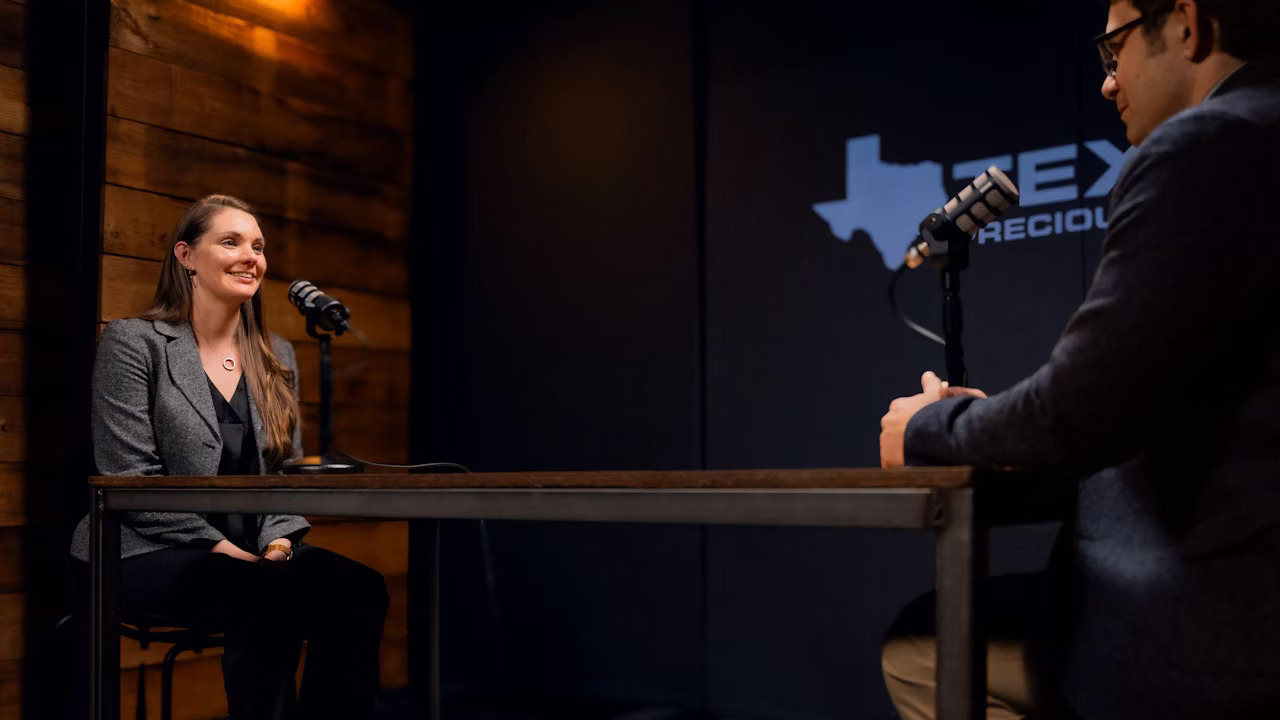
In this powerful episode, Tarek sits down with UFC legend Mark Kerr for a raw conversation about the highs of championship glory and the lows of addiction. Mark discusses his involvement in the new A24 biopic The Smashing Machine, sharing what it was like to see Dwayne “The Rock” Johnson transform into him—prosthetics and all. They explore the dangerous trap of tying your identity to your career, the “intentionality” required for greatness, and how Mark found redemption by shedding the “Smashing Machine” persona to find the man underneath.
Key Takeaways
- The Trap of Identity: Mark opens up about the “slow eroding process” of believing he was just a fighter. When the fighting stopped, his identity collapsed, leading to a decade-long battle with addiction. The lesson: What you do is not who you are.
- The “One Percent” of Detail: Greatness isn’t about massive leaps; it’s about the small margins. Mark explains how “intentionality” in diet, training, and mindset compounds over time to create championship results.
- Vulnerability as Strength: In a hyper-masculine sport, Mark argues that his greatest superpower is “emotional honesty.” His ability to ask for help and admit weakness has become his ultimate strength in recovery.
- The Hollywood Mirror: Mark shares the surreal experience of walking onto the set of The Smashing Machine and seeing his life from 25 years ago perfectly recreated—from the Adidas tracksuits to the furniture in his living room.
- The “Smashing Machine” Origin: The story behind the nickname given to him by Brazilian media (“A máquina de bater”) and how he sought to professionalize a sport that was still being fought in parking lot tents.
Notable Quotes
“The difference between good and great is small margins. It’s the detail. That’s the intention.” — Mark Kerr
“I was hard on everybody in my environment because if you weren’t trying to help me get to where I was going, I had no tolerance for you.” — Mark Kerr
“My strength is my vulnerability. My ability to be able to express what’s going on internally… helps [others] just as much as it helps me.” — Mark Kerr
Mentioned Resources
- Movie: The Smashing Machine (A24, starring Dwayne Johnson)
- Documentary: The Smashing Machine (HBO, 2002)
- Book: Outliers by Malcolm Gladwell
- Organization: PRIDE FC / UFC
0:00 - 0:42
Mark: Nobody told me they were putting prosthetics on Dwayne. Nobody said anything. So I'm literally in their arena where they're filming some of this stuff and I'm looking at the at the ring and it's the aisle that you walk up to get into the ring and I turn around and there's Dwayne dressed as me and this is still to this day. It's like one of those moments where I just start cussing at him. I just start literally. It's just I kept forearms shivering. I'm like, you like, oh my gosh, and he's like, right, he's taking he's got hair like he's got nuts all these prosthetics on him and I'm like, oh my God.
0:43 - 0:55
Tarek: Welcome to Y'all Street. Today, I speak with Mark Kerr UFC Hall of Famer and the subject of the movie The Smashing Machine. Mark, would you like a cup of coffee?
0:55 - 0:57
Mark: Of course I would. Thank you.
0:57 - 1:04
Tarek: I got you this. Aggressive cuddling. Coffee cheers
1:05 - 1:11
Mark: Oh my gosh. That's awesome. It's awesome. It is very aggressive. A very aggressive cuddling.
1:11 - 1:27
Tarek: Now coffee's hot. Wow. Wow. So we're here. Daniel Cormier was kind enough to let us film here at his gym. Beforehand. I heard you went over next door to the to the MMA guy. What was that? Like were you rolling around over there?
1:27 - 2:36
Mark: It gets me gets me excited because just standing there. I'm you can see my body language. I start doing I start doing this like, you know, and then almost instinctively. I feel like a need to like go. Hey, you know do that. Oh harder, you know, it's just did you give any feedback? Yeah, I did just a couple of a couple of the guys after pull me aside and said, hey, did you see me spar? Do you have any pointers? Are you anything and you know, for a lot of the guys that are still trying to make it in the industry. My whole thing to them is intentional like everything you do has to be intentional, right everything and the difference between good and great. It's these small margins, right? And it's the detail and that's intention. Once you dial in what your intention is you get very detailed, you know, like everything I did when I was competing was it became very intentional. Because I just didn't have the capacity for for myself to do anything else, right? And like it once you got focused in and this is what I want like everything in my life had to align to that thing.
2:37 - 2:39
Tarek: Did it become a little kind of like OCD?
2:40 - 3:58
Mark: At times at times, you know, I see for for me, I was hard on everybody in my environment because if you weren't trying to help me get to where I was going, I had no tolerance for you. How did that manifest itself? Would you yell at him? Wouldn't be yelling. I just I you know, yeah, I guess it would be something because it's just one where it's just like, you know, back then though, I you know, it's such a new, you know, when I look back on it, I was trying to set a standard for something that didn't exist. When I was fighting MMA, I mean it was it was only legal in four states and there's no standard of like when you watched an MMA fight, you didn't know what was going to come out in the ring, right? I mean at one point they had a boxer with a glove on glove off, right? And you know all these different components and I wanted to represent the wrestling community in in MMA, but I wanted to set a standard that was like, you know, my big examples like the when I went over in Japan and fought the first press conference. I did everybody else is in sweatsuits. I'm in $1,000 Calvin Klein suit, right?
3:59 - 4:02
Tarek: So you knew from the beginning.
4:03 - 4:32
Mark: I knew from the beginning even though I can't afford the suit I bought it anyways because it just one where it's like that's not the standard. I want it and I understood that if I was able to set a standard of professionalism that that when it came time to sit down and ask them for money. I could ask them for money that a professional athlete could right so that was the end goal was to create a standard that that I was setting for myself but a setting for an industry that was just starting to grow.
4:32 - 4:43
Tarek: Yeah, what inspired that is it because you saw the potential in the industry or was it just how you operated your day-to-day life to be.
4:43 - 5:01
Mark: You know, I think it was twofold.I think I saw the potential of what could happen. And also I think from a kid from a young kid. I always wanted to be. Respected like a professional athlete, you know, I wasn't fast enough to be in the NFL, right?
5:01 - 5:02
Tarek: Did you play football?
5:03 - 5:37
Mark: I did. I always you know that like where I grew up in Toledo, Ohio the that's football culture. Yeah, it's football and wrestling culture, right? And so it's one of those where you know, I knew that I knew that football wasn't going to get me to the next level and so wrestling ended up being a vehicle where I mean still to this day. I you know, my school's been around. It's called Waite High School. It's been around since 1926 or something like that. And I'm still the only state champ for my high school and that many years amazing.
5:38 - 5:44
Tarek: How did you get into wrestling? Was it just because in Toledo that was part of the culture and everybody did it or did somebody push you?
5:44 - 6:28
Mark: So this is what's you know, it's part of my story. So I'm the youngest of five kids and my dad was an alcoholic and he died sober. My dad was sober 15 years when he passed away. So if there's a time frame where I was just basically I didn't have parental supervision. My mom was with my father who's in working. He's a pipe fitter. He's working on a job in New York. And so me and my brother Matthew were close to age of 15 months apart. We were left basically no parent and so which actually I just for maybe some of the younger listeners.
6:28 - 6:43
Tarek: Yeah, it was a different time like you grew up in kind of 70s early 80s. And I was born in 78 and it was just really common for younger kids to be alone. We spent a lot of time alone.
6:43 - 6:43
Mark: Yeah.
6:43 - 6:44
Tarek: Is that the same for you?
6:44 - 7:26
Mark: It was because my mom tasked my sister, but she's eight years older worked full-time. So it was like take care of your brothers and she went off to take care of my dad. And so in that time frame, I was just this unsupervised, you know kid that was coming into, you know, his hormones as a young kid and all this stuff. I was just so out of control. And I ended up, I ended up taking the keys to my mother's car whose car was parked in the driveway. She's and I ended up going for a joyride 14 years old on a Sunday and I ended up totaling her car.
7:26 - 7:36
Tarek: Oh my gosh. And so nobody else was affected.
7:36 - 7:55
Mark: Nobody else is affected. It was Sunday morning and you know, I went and picked up a friend of mine and we're cruising down the street and you know, my dad had let me drive the car before, you know, it was a big huge Chevy Caprice classic. Oh, I remember those big boat, right?
7:55 - 7:57
Tarek: And so did the police show up?
7:57 - 7:58
Mark: Yeah.
7:58 - 7:59
Tarek: What did they say?
7:59 - 9:21
Mark: Oh my God, it was it was terrible. It was terrible. I mean, I couldn't get my driver's license. I was 21 years old. The insurance company dropped my parents from the insurance policy. The people that I ended up hitting they were okay, but it was a small little Volkswagen rabbit and with a big Chevy Caprice hit in the back of it and you know, as crazy as it sounds if that didn't happen. I don't know if I'm here. It's like it's like a Malcolm Gladwell thing, right? Like a Malcolm Gladwell talks about like all these environments and somebody that you think that this thing that happens to you in life. It's the thing that makes you right when you look back and so my mom said that's enough. I have my oldest brother's 12 years older than me and she goes you're going to live with him. He happened to be finishing chiropractic school in Bettendorf Iowa another big wrestling huge area. So so Bettendorf High School when I show up there my freshman year in high school had just won the state championship in wrestling. They won the state championship of football and there's another fighter. His name is Pat Miltich and Pat was a senior that year and it was this wrestling room that it just pushed me way out of my comfort zone. I like I wrestled in Ohio, but I hadn't wrestled to that caliber.
9:22 - 9:29
Tarek: I'm just curious. What was it like going to live with an older brother because he's old enough to be somewhat of a father.
9:29 - 9:32
Mark: He was a father figure in a way that I was afraid of him.
9:33 - 9:33
Tarek: Really?
9:33 - 9:50
Mark: Yeah, I was afraid of him to the point where it's like this is what you're going to do and you're not going to and there's no conversation, right? Like this is what you're doing and I didn't have the literally I feared him enough to where like I knew what he was saying he'd beat the brakes out of me if I didn't.
9:50 - 9:51
Tarek: He was a big guy?
9:51 - 10:51
Mark: So my brother's a little bit smaller than me, but at the time it was like I was like, oh, yeah, I'm going to do it because he would literally go. Okay, you know, you're my little brother. I can roughhouse you and roughhousing for him would be like holding me down, you know, because he wrestled he wrestled. Yeah, and so he said there's one rule you're playing sports year-round. So I played football. I wrestled that Bettendorf. I ran track and I played baseball and then my brother had finished up school in Iowa and we moved back to Toledo and that year I spent wrestling there when I got back to Toledo. I was miles ahead of everybody wrestling wise. And that's what started so I show up as a sophomore and like I had grown up. I think when in eighth grade, I think I wrestled a hundred and thirty pounds under 28 pounds. And then when I show back up in Ohio my sophomore year, I'm like 200 pound kid. Wow big growth spurt, a huge growth sprut.
10:52 - 11:01
Tarek: Now, did you did you love it at that point? Because your brother made you wrestle, but did you discover a love for it and a passion for it that early?
11:04 - 11:41
Mark: You know, there's challenges it like anytime you wrestle there's there's challenges looking back on it, you know, a lot of it's like I don't know why I stuck with it, you know, like I heard DC, you know say like if you have like he didn't know how to quit anything, right? Like I was stubborn enough to where it's like I wanted to see this thing through and so I finished my sophomore year there not placing in state and then my junior year. I win a state championship and that that's what put me on the radar to I mean winning a state championship in wrestling in Ohio. Oh, it's a big deal.
11:41 - 11:48
Tarek: It's a big it's it's a big deal. And so that did you start thinking about college at that point and wrestling in college?
11:48 - 13:16
Mark: So here's here's the the most difficult thing the school that that that I went to they didn't emphasize academics. So a lot of it because I was so deficient my freshman year in high school because I really didn't have any schooling my seventh and eighth grade year because my I was no supervision nobody sit down do your homework, you know, and back then it was like, okay, we're just going to push you along. So by the time I end up showing up in high school, I'm already behind in every subject. And as it turns out, I didn't know I was dyslexic which contributed to it. And so by the time I ended up even thinking about college filling out a college application. It was it was it was literally laughable. It was like, you know, the NCAA minimum standards. I think was at the time was like a 2.0 a 720 on your SAT and then here was a caveat at Syracuse. They had athletic exemptions. You could be less than what the academic standard is to get in school. You get an exemption because you're an athlete. So I had 2.0 GPA. I had 720 on my SAT and here's the other thing they needed. I had 500 kids in my graduating class and with a 2.0 is in the top 50% of my graduating class. Yeah.
13:16 - 13:18
Tarek: So you checked all the boxes.
13:18 - 14:10
Mark: Checked all the boxes got into Syracuse. I still can't believe it to this day. It's just like because I'm just going through it right and understanding like I thought it was stupid. I literally thought it was stupid because I didn't I couldn't understand. You know, I didn't understand the complexities of what dyslexia what that brings to the table like how you have to be able to learn and assimilate information and all this other stuff. I learned to read not phonetically. I learned to read with place card, you know with index cards. So if I didn't if I looked at a word and I didn't I couldn't if I hadn't memorized what the word is I couldn't pronounce it phonetically. And so my vocabulary is deep because I've had to memorize all these words my whole life.
14:10 - 14:24
Tarek: Mm-hmm. Well at that time as you're struggling with academics, you're going into University. Did you have any thoughts about what life was going to be like after college? Did you start thinking about what the future is going to be?
14:25 - 15:20
Mark: You know, part of it is I was so consumed with you know, trying to figure out literally like how I fit in like Syracuse University. It just wasn't I wasn't around a bunch of people with similar cultures how I grew up, you know, I grew up in a blue-collar neighborhood. My dad was a pipe fitter, you know, most people around me electrician or worked for the United Auto Workers at Syracuse. It was a totally different demographic. It was East Coast majority, you know from you know, from New Hampshire all the way down and it just it was difficult. It was difficult because I couldn't see how I fit in, you know, it's one of those things I look back and it was huge learning experience to understand. You know that I can communicate and talk to and it helped me discover who I was actually.
15:20 - 15:46
Tarek: Yeah, it seems like up until that point in your life. You're constantly trying to fit in because you know, you were undersized in Ohio and then you moved to a completely different state, completely different culture. And then you're learning, you know, all of the sports that you're involved with and then you're transitioning again back to Ohio and then you're going to Syracuse. This is all happening in a very short period of time. Yeah, it's almost like being an army brat.
15:46 - 16:05
Mark: Yeah. Oh my gosh. Yeah, like I have more empathy towards towards them and understanding like like I've talked to some people. I don't everything. Yeah, I went to you know, six different high schools and I'm like wow, you know, it teaches you certain things that you wouldn't learn otherwise.
16:05 - 16:11
Tarek: Is it fair to say that this is a point in your in your life where you're really sort of struggling with identity?
16:11 - 16:12
Mark: Huge.
16:12 - 16:13
Tarek: Who am I?
16:13 - 16:13
Mark: Huge.
16:13 - 16:14
Tarek: And who am I going to be?
16:14 - 16:15
Mark: Yeah. Yeah.
16:15 - 16:17
Tarek: And that becomes part of the obsession?
16:17 - 16:29
Mark: It does. It does. You know, it becomes part of the obsession, but you know, after I got done fighting, I had no clue who I was because I was just a fighter in my head.
16:29 - 16:31
Tarek: Yeah, I want to get to that.
16:31 - 16:39
Mark: Yeah, because it's deep. I mean, it's one where I think a lot of athletes post competitively. It takes a minute.
16:39 - 17:02
Tarek: I ask that question frequently to athletes about what is it? What is the come down like? Because this is this has been your whole entire life and you know for men, I don't want to generalize but I think maybe for men in particular, so much of who we are is tied to our vocation and so much of our personal self-worth is tied to that.
17:02 - 17:02
Mark: Yeah.
17:02 - 17:21
Tarek: And when that is stripped away, even for an ordinary guy who goes into retirement after, you know, a 40-year career in XYZ company, the come down can be hard and different for different people. And I think just in learning about your story, it becomes particularly difficult because the highs were so high.
17:21 - 17:24
Mark: Oh, they were intense. They were intense.
17:24 - 17:28
Tarek: So let's get there. So you become a two-time national champion?
17:29 - 17:35
Mark: I was a freestyle national champion and NCAA national champion. So two-time national champ, not two-time collegiate national champ. Got it.
17:35 - 17:36
Tarek: Okay.
17:36 - 17:45
Mark: And so it's one where it's like in 94 when I won the freestyle nationals, it's against all the guys at one national championship. So it's like I covet that a little bit more.
17:46 - 17:46
Tarek: Right.
17:46 - 17:52
Mark: Right. It's a chance because everybody in that bracket was like, oh, you're a two-time NCAA champ, three-time. I mean, it's.
17:53 - 17:54
Tarek: What does it take to get to that level?
17:56 - 18:33
Mark: Oh boy. You know, I was saying earlier. Detail and tension, having the ability to understand like the, and it's hard to digest this going through it, is that the difference between good and great, it's a small margin, right? It's not these huge margins. They're just small margins because this person did this differently because it compounds itself. Right? When you aren't detailed, it compounds itself in a bad way.
18:33 - 18:33
Tarek: Right?
18:34 - 18:37
Mark: When you're detailed, that compounds itself in a good way.
18:37 - 18:37
Tarek: Right?
18:38 - 19:18
Mark: And so you end up with like, okay, I'm going to clean my diet up, you know, or I'm going to see a physical therapist or I'm going to do a massage therapist. It's that little, little detail that gives you that little edge over, you know, training cycle and you end up with that edge when you're in the ring or cage or octagon. Right? So it's starting to understand how important those details and those nuances are. Um, and understanding like that's the difference between what make, you know, obviously there's natural ability and all that stuff. Somebody that doesn't have all the natural ability that dials into those details. Oh, it's because they're, it's a work ethic.
19:19 - 19:36
Tarek: Then it really does become obsessive, you know, OCD, but it becomes, it reminds me a little bit of Tom Brady. Yeah, you know, who has been so successful in football, but there were a lot of personal sacrifices along the way, which we're going to, we're going to talk about. Um, when did you get the nickname, the smashing machine?
19:37 - 20:33
Mark: So that was after my first fights in Brazil. Okay. They were, it was because that's the kind of nickname I would like to, you know, my joke with myself is going, you can't give yourself a nickname. They're the, you know, you can't, you can't go like, I'm a, I'm a hammer. You know, it's like, no, no, no. Somebody has to, you, that's it. Yes. It's bestowed upon you. And so, uh, when I fought my first fights in Brazil, the last guy I fought was a guy named Fabio Grigel. And one of the reporters, a Brazilian reporter is looking at it and I'm going to butcher it, say in Portuguese, but he says he's a "mecenna debater", the machine that smashes. And so it's on the cover of a magazine and it's me just mauling this guy, Fabio Grigel. And it was, it was like one of those things are gone. I like that. I think that's a keeper. You know, once you get a nickname, there's no taking your back, you know, there's, there's not.
20:34 - 20:41
Tarek: When you became the, the world champion was, was that an obvious next step for you was to go to Brazil? Was that the very next move?
20:41 - 21:28
Mark: It was, it's part of it. You like, um, like a big part of my career is also doing, um, it's called ADCC, Abu Dhabi Combat Club. It's, it's, it's geeless grappling and, and it incorporates, uh, all the different like jujitsu, uh, wrestling, uh, tempo, you know, I mean, it's, it's, you name it. It's, um, it includes it. And part of that, um, I wanted to represent wrestling, you know, it's like, I wanted to show people like what I, an elite wrestler can do, you know, and you can look at it now. Like when a guy steps into the octagon and he's got elite, elite wrestling skills, uh, they're formidable. You know, they match up just about against every single person.
21:29 - 21:34
Tarek: Would you say that the best fighters in the UFC start as wrestlers? Is that a fair statement?
21:34 - 21:53
Mark: It's found, it's foundational. It's, it's foundational. You need to add a bunch of stuff to it. You know, when I was fighting, you could be an elite wrestler and be a world champ. Now it wouldn't fit in. It wouldn't, I'd have to add so many other skillsets to it to be able to compete at the level the guys are competing at now.
21:53 - 22:10
Tarek: You did add some skillsets though. I mean, as time went, even, even, you know, maybe not to the level of today, but you know, Brazilian jiu-jitsu and, you know, incorporating some striking and all these different things that you had to subsequently learn, you know, as, as you became more professional.
22:10 - 22:10
Mark: Yeah.
22:10 - 22:12
Tarek: What was that experience like for you?
22:12 - 22:51
Mark: Oh, that's when I went out and literally coincidentally, this is how life just aligns itself up. So after my second UFC event, well, in between my, my first UFC event, UFC 14, 15, a friend says, Hey, there's this place in California. They want somebody to come out and teach wrestling like Friday and Saturdays. And it was called Beverly, Beverly Hills Jiu-Jitsu Club. And so I'm like, okay, back then you weren't making a lot of money. So they go, Hey, he'll pay you X to come out and teach for two days. He'll fly you out. He'll put you up all this stuff.
22:51 - 22:56
Tarek: I'm like, what, what was the pay? Are they going to pay you? What it was for the weekend?
22:56 - 22:57
Mark: I was $250.
22:57 - 23:06
Tarek: Oh my gosh. So you can even survive basically a couple of meals..
23:06 - 23:12
Mark: but I looked at it like, okay, where can I apply that? Right. I can go, okay. I can pay my car insurance for the next two months. You know, it gets me two months further down the road.
23:12 - 23:12
Tarek: Yeah.
23:12 - 23:24
Mark: You know, it's this calculated, you know, like time and, and, and what it's going to accomplish, you know, like go out there, then I don't have to worry about that, you know, so I can just focus on what I need to focus on.
23:24 - 23:27
Tarek: So I go out there and, and just for a timeline sake, is this pre-Japan?
23:28 - 23:30
Mark: So this is, this is pre-Japan.
23:30 - 23:30
Tarek: Okay.
23:30 - 23:36
Mark: This is pre-Japan. Like, so I go out there and who's training there is Bas Rutten.
23:36 - 23:37
Tarek: Bas Rutten. Yeah.
23:37 - 24:02
Mark: And it's this, it's this, it's this miracle of like, so there's Bas Rutten and a Brazilian guy named Marco, who was, who had fought in the, or in early UFC, his training partner, a guy named Pedro Ezo, and another guy named Oleg Tiktarov, all in this dojo. And so if you add up all of those guys, they end up with, I don't know, 40 years fight experience, 50 years.
24:03 - 24:05
Tarek: What was the scene like in there?
24:05 - 24:06
Mark: Intense.
24:07 - 24:09
Tarek: Describe it to me. It's so intense. It's just like constant.
24:09 - 25:14
Mark: So you would have, so this is what's crazy. So it was called Beverly Hills Jiu-Jitsu Club. So you had a lot of Jiu-Jitsu guys there. Back then, if a Jiu-Jitsu guy that belonged to a certain school and had a certain sensei taught a wrestler or anybody outside that, any of the Jiu-Jitsu moves and stuff, they were ostracized. They weren't allowed to do it. So when everybody found out I was going out there, the Jiu-Jitsu guys finished up their Jiu-Jitsu class, and you had like three or four of them stay afterward. They literally locked the doors, drew the blinds, and go, would you teach us how to do, you know, this takedowns and stuff like that. It's like thinking about, like thinking back on it, like how backwards is that? Like, that's like, oh my God, because that exchange of information was so important, right? And so that happens. And then, you know, it was so cautious, like with Boss, because he's such an intense person.
25:15 - 25:15
Tarek: To this day.
25:16 - 25:26
Mark: Oh my gosh. Yeah, he's so, you know, I joke with him. I go, you know, when you go in a room, there's no more oxygen, right? Like you can suck it all up, right? Like he's just an intense human being.
25:27 - 25:29
Tarek: Which is a funny comment because, you know, he's had all those breathing issues.
25:29 - 26:40
Mark: I have, I have that said, you know, it's crazy, you know, as it turns out, you know, is this, there's a feeling out part and then once that feeling part out was over, it was like, okay, like, like game on, like I couldn't, like standing up with Boss was the most painful thing in the world because he could pull his punches, but but it's just my skillset. I didn't have that. I didn't have what it's like to stand in front of somebody and have them, you know, punch and kick. And I mean, Bas had this, just everything he did was intense and intentional and it was a continuation. So he didn't throw one punch. He usually threw four in a row or five in a row. He threw a punch, an elbow, a knee, a kick, and then another punch, or he threw a punch, punch, kick, kick, elbow, elbow. So you had to, like when he's holding pads for you, you had to mimic all that. So it got me to a point at least to where I was able to pick up more stuff visually because it's just, you know, your rest of your whole life is different.
26:40 - 27:04
Tarek: In that relationship, did you, I mean, my, you know, my experience with Boss is that he's a very positive guy and I don't know what he, I don't know what he was like back then, but it, I would think just imagining that his encouragement while he's training you is also giving you the confidence that you could go out and do this.
27:04 - 27:50
Mark: He knew it, like when he cornered me for my first fights in Japan, he knew the potential that I had and even though that my striking wasn't where it needed to be or this wasn't where it needed to be, he would never focus on that. That would be like, okay, okay, let's do it this way then. Let's do it this way. He would find, he would find these routes of encouragement like, okay, you can't do it like that. Let's do it like this because I think you're good. He was just good at being able to look at something, go, okay, you can't do it that way. Let's do it this way. And it was always on just the level of positivity and encouragement and, you know, for me, if I didn't have him at the beginning of my career, there's just, it'd be hard for me to imagine I'd be here.
27:50 - 27:53
Tarek: So you became a sensation in Japan.
27:53 - 27:54
Mark: Oh, it was fun.
27:56 - 28:02
Tarek: Let's hear about that a little bit. I didn't talk a lot about it on Rogan, but it's, no, it was different. Talk about a fish out of water.
28:02 - 28:03
Mark: Oh my gosh.
28:03 - 28:09
Tarek: It was a big boy from Toledo, Ohio in Japan in the 90s. Just destroying people.
28:10 - 28:14
Mark: Oh, it was so, so they relied a lot on live venue.
28:14 - 28:14
Tarek: Mm-hmm.
28:16 - 28:30
Mark: Like the biggest event that I did over in Japan. I did a couple Tokyo Domes. I did. So you're fighting in front of, I think, Tokyo Dome had like 60,000 people. 60,000.
28:30 - 28:48
Tarek: Massive. I mean, like you'd never experienced that level of energy before because I was just talking to DC about this. Wrestling is, you know, popular amongst wrestlers, but outside of the sport, it's not like college football, right? So now you're in these massive stadiums.
28:48 - 29:32
Mark: Unbelievable. Unbelievable. I mean, it brings a level of, here's what I say, in that environment for me, I could feel, hear, taste, and like almost vibrationally understand what's going on in my environment. So I could smell in an intensity that I've never been able to communicate other than experiencing it there. And I said before, it's like my opponent across the ring. I can smell, what a smell. His sweat smells like pungent, you know, or, you know, like the nervous- It just heightened your senses. Oh my gosh, it heightened to a point where I never experienced anything like it.
29:32 - 29:39
Tarek: Like it's this- You talk about it actually in the film. You talk about that high. Oh, it's intense. It's chasing that high.
29:39 - 29:39
Mark: It's intense.
29:39 - 29:46
Tarek: That you can't get anywhere else. There's no other feeling in the world like it, to have 40,000 people chanting your name.
29:47 - 30:52
Mark: Yeah, yeah. And they're voracious fans in Japan. You know, they have an understanding. At the time, they had an understanding of like culturally, it's baked into them, you know, this warrior, iconic, you know- Samurai. Yeah, yeah. And it just, it's just an environment that is almost impossible to explain unless you've walked through it, of like, what that feeling and it's like, I try to describe it like vibration, like I'm vibrating, you know, from everything around me, the energy of all these people. And then all these people focused in on, we want you to win, you know, this- Did that make it easier for you to fight or more difficult? Once I embraced it, it made it easier. But that, like, because it's unfamiliar, you know, it's like, it's like being at the top of a roller coaster, not knowing that you're just going to get butterflies in your stomach on the way down and having this fear of like, oh, whoa, where am I, you know, like- It's almost like, I think about almost kind of like a leg cramp, something that happens to your body that you're not in control of. Yeah.
30:52 - 30:58
Tarek: And you're feeling, you're talking about all this energy that you're feeling, you're like, I don't, I've never actually fought with this level of physical reaction.
30:59 - 31:24
Mark: Not even close. I mean, the last UFC event I did, we were in a parking lot with a tent, like a circus tent. Seriously, I'm being serious. We were in a parking lot of a casino in not Alabama, Mississippi, and it was like a tent that was erected in the parking lot. And that was UFC 15 that I did.
31:24 - 31:26
Tarek: It was just, it wasn't on the level.
31:26 - 31:27
Mark: Maybe 600 people?
31:27 - 31:28
Tarek: It wasn't on the level.
31:28 - 31:30
Mark: Oh, not even close.
31:30 - 31:42
Tarek: So, I mean, that's, I mean, so much of your history with UFC is by being a pioneer and helping to bring the sport into the mainstream. You were saying something earlier. I didn't even realize that you were on a video game.
31:42 - 31:43
Mark: Oh my God.
31:44 - 31:50
Tarek: How did that come about? What was it? And was it weird seeing you yourself on a video game?
31:51 - 32:27
Mark: So, I literally am not a big video game guy, right? And it's like one of those things where they start putting it together. And I think it was like the first generation of actually trying to do, you know, the fighting moves, like similar to how they would be in real life. That's where they put all the dots and trace and do all this technology. And it was, I was living in Santa Monica and they ended up, I ended up just getting this invite of like, hey, we're doing this thing. It's EA Sports, you know, want to come over and it was like not understanding what I'm stepping into.
32:27 - 32:27
Tarek: Yeah.
32:27 - 32:30
Mark: And then stepping into it and going, oh, wow.
32:30 - 32:39
Tarek: So, just to kind of geek out a little bit for a second. What, what was that whole day like with EA Sports? So, you have the dots all over your body and then what are they telling you to do?
32:39 - 33:42
Mark: They're having me go through, at first, it's like basic motions, right? To capture that kind of stream of like what I walk like, what I move, and then it's more fight specific. Okay, we're going to have you throw this punch. We're going to have you do this and this and this. And then, gosh man, I ended up, ended up being like a year before the game ended up coming out. And it was one of those where I got more phone calls. I think it came out that next Christmas day. I get more phone calls, friends going, dude, why didn't you tell me you're in EA Sports? You know, and then my brother, my brother, my older brother who bought the game, he's playing it. He's like, all right, we need to, I don't know what the call is about. He's like, hey, I need to talk to you. I'm like, okay, what's going on? He goes, I think you need to call EA Sports because you're not as good in the game as you are in real life. I'm like, I think that's operator error more than it is whether or not I'm good in the game or not, you know, but it's just, they just released another, I mean, this version of the UFC.
33:43 - 34:25
Tarek: So at that moment, do you, were you reflecting, were you sitting back and thinking, because you'd had, you'd become famous, but again, UFC isn't the sport that it was. So you're not a household name. DC comes later, right? And we were talking about what it was like in the kind of the growth phase of UFC, but you're famous in Japan. And now you're on the cover of EA Sports. Was it strange for you to make the transition going from a place like Japan where you were famous to a place back in the US where you're just somewhat ordinary? Is that a fair assessment?
34:25 - 35:33
Mark: It's a fair assessment because, you know, I remember saying to myself in that process of like, oh, I'm so thankful that you know that I have my anonymity here in the States and I can go over and work in Japan. But realistically, I think that I was, you know, in some way still seeking that, you know, recognition of, you know, because I built at that point so much into my life of like being a fighter and not understanding what that, you know, there's so much more dimensions to me as a human being than just that. But I used to say to myself, it's like, you know, I can go over to Japan and, you know, do my thing over there and come here and I have a peaceful existence, you know, and it's, you know, on some level I almost wish I had that kind of recognition for whatever reason that was going on at the time and I wasn't getting, you know, and for me it led to bad behavior. It just led to, you know, eventually, you know, leading to, you know, drugs, alcohol and because for me, I was trying to fill a void.
35:34 - 37:00
Tarek: Let's get into that a bit. So I know that and we'll talk about this when we talk about the movie, the first intro to drugs was through opioids. Is that right? Yeah, just to start dealing with the pain. And again, I'll ask this question even though I asked it to DC as well, but it strikes me that everybody is dealing with pain in some way or another. It just happens that when you're a fighter, you're obviously dealing with a lot of physical pain. Yeah, but so much of us deal with, at times in our lives, emotional pain. Yeah, some of that's childhood trauma. Some of that is death in a family. It could be disappointment. It could be a variety of different things and we all deal with pain in different ways. Being a professional athlete, trying to overcome the mental challenges that get in the way of succeeding or that lead to obsession or the feeling that you can't do things that you once did before because of injury. How did you start to process that? You mentioned there was obviously a decline, a dissension and then there's working back out of that. Give me a little bit of insight into your own pain. I know there's a lot there.
37:00 - 37:07
Mark: There's a lot to unpack because it doesn't happen at once. It's a slow degrading...
37:08 - 37:09
Tarek: To where you don't even necessarily notice it.
37:09 - 38:27
Mark: For me, it started with this belief that I was just a fighter and if I wasn't successful at that as a failure at everything else and once that starts feeding into itself, it's this slow eroding process of just... It took away... Because what it strips from you is it strips your identity. It strips your dignity. Like for me, it strips my dignity and once I start losing those fundamental pieces, I start trying to medicate what's going on because I don't want to feel that. I don't want to feel like I'm a failure. I don't want to feel that. Instead of taking action that's positive, it took action that's negative. But that led to drinking. It led to taking opiates. It led to this whole... Because I wouldn't take care of my body anymore like I used to, so everything that was injured instead of it getting healed, it just tenfold. It's like, okay, now this is wrong. Now this is... And so it's this snowball effect and all of a sudden it's like three years have gone by and I look and I'm like, wow, I don't even recognize where I am.
38:27 - 38:28
Tarek: You feel lost.
38:28 - 39:24
Mark: Oh, completely, completely. And I didn't understand that. I would say it, but I didn't understand it. Like fighting is what I did. It's not who I am, right? I didn't know how to internalize that though. I could say it, but I didn't know how to turn that into an action in my life, right? And then, you know, through the process of like post-competitively, it's like when you're getting diminishing returns through this whole entire thing. You know, it's like, you know, I fight in this and I do this and then the cars become mom and pop, you know, getting and then it's this slow degrading part where, you know, at one point, it's, you know, I'm so caught up in this negative loop of I'm just a fighter. I don't know how to get out of it, you know?
39:24 - 39:54
Tarek: Would you say that there's an aspect to this where for the majority of your early career, you had a mission and you were mission oriented like somebody in the military that goes overseas to battle and then they come back to ordinary day-to-day life. And again, that come down or the release from the mission leaves you a little bit disoriented.
39:55 - 39:55
Mark: It does.
39:56 - 40:02
Tarek: Like, where's my true north at this point? What direction am I pointed in if I don't have this object that I'm going after?
40:03 - 40:35
Mark: Yeah. Yeah, a lot of that. I didn't understand, you know, I completely didn't understand like, you know, before I was hyper focused on one thing and taking that thing away. I didn't have that hyper focus or I didn't know what to focus on and for me, it just created this, you know, environment in my head that was just, I couldn't sort it out. I didn't know how to sort it out and then, you know, get to a point where I'm too embarrassed to ask for help.
40:36 - 40:40
Tarek: You know, and I think a lot of guys feel that.
40:40 - 40:41
Mark: Oh, they do.
40:41 - 40:42
Tarek: Because you feel weak.
40:42 - 40:43
Mark: You do.
40:43 - 40:51
Tarek: You feel weak when you're going through a difficult time and it's and you're dealing with emotions that for a lot of us, we tend to suppress rather than address.
40:52 - 41:22
Mark: Yeah. Yeah, and that's one of the things understanding like through through the transition of getting to where I am now understanding like my strength is my vulnerability, right? My ability to be able to express what's going on internally, be able to tell somebody. So I have like a core group of guys that when something is getting kind of loose in my head, it's like I'm compelled to speak up and the reason why is because it helps them just as much as it helps me.
41:23 - 41:28
Tarek: It's so important to have a group of friends to support you.
41:29 - 41:49
Mark: So this is one where I don't know so on this group text. I don't know how this happened. But but so it's me and this is me bragging, by the way, it's me, Jay Glazer, Michael Phelps, Sean McVeigh, Dan Quinn, and Dwayne Johnson.
41:50 - 41:51
Tarek: And that's your group.
41:51 - 41:52
Mark: That's my group text.
41:54 - 42:04
Tarek: That's a pretty good group. That's a really good group. But interestingly all in their own way dealing with similar challenges.
42:04 - 42:36
Mark: Unbelievable, unbelievable. And again, it's just one where it's like we need help, but we need to be the beacon of what happens like because you know, when somebody looks at oh, you're a fighter, you know, that it's like I have horrible days, right? Like Jay Glazer talks about being in the gray like when he's having just a bad day when you from the outside looking in. It's like what are you? You're on TV. You're a Fox News analyst for the NFL. You've been there, but you live it's like but that's not it.
42:36 - 42:49
Tarek: That's actually one of the I think most difficult disappointments to internalize is getting everything that you've ever wanted. Yeah, not making you happy.
42:49 - 43:26
Mark: Yeah, I've tried. I've tried like out post competitively post money side. I said I've tried to fill that void with everything on the planet and the part about it. It just it created it created an addiction and created a huge alcohol addiction for me because I was trying to fill that void. I was trying to fill that space and I couldn't and so it's like, okay. Well, then I start drink because that takes it down a notch, right? And then all of a sudden one day drinking just doesn't work. Or taking opiates doesn't work. It doesn't fix that internal thing. And I'm like, oh my God, man.
43:26 - 43:28
Tarek: This is more and more and more.
43:28 - 43:31
Mark: Yeah, it's never-ending. It's a never-ending.
43:31 - 43:32
Tarek: What makes you happy today?
43:35 - 43:36
Mark: Having purpose.
43:36 - 43:37
Tarek: Mission.
43:37 - 44:15
Mark: Yeah, it goes back to mission. But my mission is to give back, you know, I think how my life has spun, you know, 180 degrees. It's put me in a position to where, you know, I believe I'm here to give back. I think I'm here to give back even if it's to just the guy that I talked to on the airplane, you know, or share my experience here or share my experience through the movie, you know, because through the process of like trying to shed just being a fighter, you know, I was shedding parts of me that were me.
44:16 - 44:38
Tarek: As you use the expression shedding, it kind of reminds me a little bit of like, you know, an elk shedding its antlers or a snake shedding its skin. And there's like this continual rebirth. As you're shedding these pieces of you, what is coming out of it?
44:42 - 44:56
Mark: Here's a couple things where Jay is always reminding me. He's like, you are a fighter, not you were, it's part of who you are, but understanding it's not the only thing you are.
44:57 - 45:04
Tarek: That is so wise. I mean, I think we can all describe ourselves as fighters. We're all fighting. We're fighting for our lives.
45:04 - 45:05
Mark: In some capacity. Yeah.
45:06 - 45:09
Tarek: It's the, you know, life is a struggle.
45:10 - 45:32
Mark: It is. We've lost. We do. We think it's soft and cozy and warm and it's supposed to be and when it's not, we throw a temper tantrum, right? You know, like, oh my God, life is so unfair. And it's like, it's like nobody ever said it was. There isn't like when you're born, there's a doctrine that you sign going life has to be fair or I'm not participating. It's like, no, that's not life.
45:32 - 45:50
Tarek: Yeah, I think that's one of the, one of the, maybe the most difficult challenges of our day is that everything is so convenient and so easy. We've really lost the ability to fight and persevere and struggle and the benefit that comes from the struggle.
45:52 - 46:30
Mark: It's paramount to like my existence. If I didn't have, if I didn't have the struggles of addiction, none of this shows up in my life, like none of the experience that I've gone through with the film and with Dwayne and with A24, I mean, none of it shows up because that struggle was necessary to get me to this point to where, you know, where I could go through something like this and I could actually be present. You know, my favorite saying is be where your feet are, right? Like sometimes it's my head will race so far ahead or it'll get stuck in the past and it's like, it's irrelevant. It's not relevant.
46:30 - 48:26
Tarek: It's a good way. That's a good segue into the film, The Smashing Machine, which I thought was absolutely phenomenal. And I thought so for two reasons in particular, the first, the performances, particularly Dwayne Johnson transforming into you. I think it's hands down the best performance of his career. Yeah, I'm so glad he got nominated for a Golden Globe and Emily Blunt got nominated for a Golden Globe. Yeah, it's not him. He becomes YOU and it was, I was going into the movie theater thinking, man, how am I going to be able to see Elk Rock in this role? But he just, you know, blended into you and I thought that was incredible. The other reason why I really appreciated the film is it's rare today that I walk out of the movie theater still thinking about the themes of the film and so many films just focus on the, you know, the entertainment aspect of it or the sugar high and they go for kind of the easy, the easy score, if you will. And I came out of the film and I was just really thinking about what it is that I just watched, what the message was of the film, what the personal takeaways were, and I told a friend of mine, the film is Moby Dick. It is Captain Ahab obsessing over the white whale, dealing with the physical loss as he loses his leg and in the process, he destroys everything around him, including the ship and all of his people. And the title, The Smashing Machine, to me was not just what happened in the arena, it's what happened outside of it.
48:28 - 50:54
Smashing Machine Movie Clip: Probably looking at my eyes. How did that happen? Well, have you ever heard of the ultimate fighting championship, the UFC? That's the bloody thing they're trying to ban. This guy is the best he has ever seen. Do you hate each other when you fight? Absolutely not. How do you know Marker? Look, we go way back, but he's a buddy of mine. Come on, baby. Too much? Never. Too much? No. Please welcome in his Octagon debut, Marker! Winning is the best feeling there is. It's 40,000 people and they're cheering you on. There's no other high like it in the world. No contract, no money. No money. Do you have any stronger pain medication? Advil. Advil? Don, would you like to? No. Handing him out like candy. Let's all get in. Let's all, everybody get in. Hey Don, can you take this picture for us? Yeah. What are you thinking at the beginning of the fight? It's simple. Am I going to hurt him before he hurts me? This Grand Prix to crown the greatest fighter in the world. He has come back from the brink. Let's see if he can pull out a victory over Mark Coleman. Have you spoken to either of our fighting such a good friend? The life-changing amount of money. I just need you to let me in. Always about you. Only about you. Let's go. It's coming. I think he wants your autograph. Sure. No problem. No fighting.
50:57 - 51:18
Tarek: I watched the film and then not long after I listened to you on Rogan and to see the whole arc of your life and how it has now come out of that sort of obsession and what it did to you and how it's led to now how you are helping other people. That's like the second half.
51:18 - 51:19
Mark: Yeah, it is.
51:19 - 51:34
Tarek: And the reclamation project. So talk to me about the film. What is it meant to you? What is the relationship with Dwayne Johnson meant to you? He had to become you so he had to get into your mind and the relationship that you had with him has got to be very unique.
51:34 - 54:06
Mark: It is. It's like, you know, you know, I've through the process. I understand like how like for me what a privilege it was to go along for the ride, right? So this actually started in 2019. 2019 just randomly. I get a I get a message from William Morris and it's it's Dwayne's agency that he uses and it's this guy Brad Schlater and so I'm like, okay, and hey, this William Morris and agency to this Brad Schlater, you know, when you opportunity to call me back. I think it's a prank, right? Okay. Yeah, I call back. I'm like, he's like this Brad Schlater. I've represented Dwayne since 2013. Do you know who who owns your movie your your life rights? I'm like, I don't I don't like I don't you're like I thought I owned my life. Yeah, I do. Right? And so so what I figured out later is that is that there is after the original documentary there was there was a movie script wrote it was sold and that's what that's what Brad was looking for. I direct them to this Israeli and tank commander retired 75 year old Israeli and tank commander named Mushab Mahadin and and it turns out this guy has he has my life rights. He has the rights to the "Smashing Machine" and it starts there and this is what this is. What's a miracle of this? So it starts there. Like five weeks six weeks later. I get a call from Brad. He's like, hey, we finished it. We just acquired the rights. I'm like, okay, like like normally it might take six months to negotiate that or whatever it is because the person that owns him knows that Dwayne wants them, right? So you think there'd be a prolong prolong like no, I want a boat and a yacht and a house in the Bahamas, you know, it's like I don't I don't know. So and then he says Dwayne will get ahold of you. He's going to announce at UFC 300 Madison Square Garden that he's going to make a movie about I'm like, okay. Okay. I knew that from the first call but I didn't know how quickly this would would kick off and he's in a position where if he wants to do a movie the movie gets done. So the first call that I had with him was was just that he goes, yeah, I can get I can get stuff done now and I'm like, okay, so it goes.
54:06 - 54:07
Tarek: Did you know him beforehand?
54:07 - 54:34
Mark: This is the first time we had bumped into each other. I was living in California at one point where he was training at Gold's gym. We had bumped into each other. We actually had lunch way back then. Oh, wow, you know, just kind of one of those like him and I have tried to place it time wise and I got I don't know. I think it was 99 or 2000 or something like that. And so it just turns into this we've crossed paths repeatedly.
54:34 - 54:46
Tarek: Well, your careers kind of parallel each other in a way too. I was listening a little bit to the interviews that you guys did with each other. Yeah, it's like he's coming up in in his form of wrestling and you're coming up in your.
54:46 - 55:12
Mark: Oh, he gets thrown right into the fire. If you if you watch like on Paramount, they actually have a doc that I hadn't seen before. Yeah, and it literally he gets thrown right into the limelight crazy. And so so as it turns out, we have a conversation. She's like, hey, I'm going to make I'm going to make the announcement. This is editor makes the announcement and pandemic happens.
55:12 - 55:14
Tarek: Gosh
55:14 - 55:29
Mark: Right? So that's that's fall of 2019 pandemic starts to pick up in 2020 everything shut down in March 2020 and then you go through all of that stuff and then you come out of it and then they have the writer strike.
55:29 - 55:42
Tarek: Are you at a point in your life when you know, these hiccups happen? Are you saying to yourself, you know, everything happens for a reason be patient or are you saying well sure enough. It's always my luck.
55:42 - 56:50
Mark: Yeah. No, I'm at a point where I like my wife. She's she gets a little bit further ahead. Sometimes I let it further behind and where she's thinking and I'm just like if it happens, it happens. If it doesn't it doesn't I there's nothing I can do right and what were you doing for a living at this? So, oh boy. So at this time I had just finished working for Jay Glazer's charity called MVP. I just finished working with them and I started helping my wife with her company. That's called Absolute Wellness. I started helping her. She designs amenity space. So fitness centers and multifamily and all the stuff and so it's just this transitional period where we're literally she's like, you know you get and I go I'm not getting excited. I'm not if it had literally at that moment. I was like if it happens it happens. I can't affect the outcome of it one way or the other.
56:50 - 56:55
Tarek: And what was Dwayne Johnson saying during this period to you? Were you guys staying in contact?
56:55 - 58:26
Mark: We had we had had a couple conversations before everything got shut down. He really thought it would have went into production in 2020. And so when things got shut down, there's a point where I had a cell phone number for four years and I didn't call or text him once. Because it's like, you know, he's doing his thing but the thing that he has that he covets the most is time. Sure, you know, and so so pandemic happens writer strike happens. It's the fall of 2023. So I made the announcement in 2019. It's the fall of 2023 and then finally my wife's like you should reach out to him and I'm like at that point I go. You might be right, you know, and I call Brad Slater and Brad's like, oh my God did your ears must be ringing and and I'm like, oh like what like I go. Okay, what's going on? He goes, I can't tell you and I'm like, you can't like what do you mean? You can't tell me he goes Dwayne needs to tell you and I'm like, oh my gosh, so that this is this is so it was a Thursday and he says Dwayne Dwayne will call you over the weekend. So I get a text on Friday from Dwayne. Hey, I'll call you over the weekend. So Thursday, Friday, Saturday, Sunday, no call Monday, Tuesday, Wednesday, Thursday, Friday of the next week text. Hey, I'll call you over the weekend Saturday.
58:27 - 58:28
Tarek: How often are you checking your phone at this?
58:28 - 59:34
Mark: Oh my God. I'm holding it. I'm holding it like a girl being asked to prom like he's got a call. He's got to call me. He's got a call, you know, so so finally it turns out and it's it's like Sunday like 2 in the afternoon and I get a text you available and I'm like, yeah, like so we get on the phone. We talked for an hour plus on the phone and not understanding that at that moment time. He had gotten Benny Safdie on board. He got Emily on board and I just imagine like shutting my eyes. There's like a room full of 300 people behind him just orchestrating everything and so it goes from that conversation and late October early November to hey, we're moving forward and then it's just this and like intensity of call like we're corresponding more regularly and then it's like hey, by the way, Emily's going to reach out to you and then Benny wants to talk to you and then Dave Copeland is a producer.
59:35 - 59:37
Tarek: And so why did Emily want to reach out to you?
59:37 - 1:00:06
Mark: So Emily wanted to get context like she's she's like when she dials in she's looking for these little I call emotional nuggets. She's looking for just these little things to hold on do like, oh, that's that's where that comes from, you know, emotionally so through the process. I mean, it was so incredible. So it leads up to where you know, I'm talking to Dwayne regularly like he'll he'll read Benny's writing the script at the time.
1:00:07 - 1:00:11
Tarek: I was going to ask you about that. So were you involved in the script development at all?
1:00:11 - 1:02:06
Mark: So I so I was I was with with with Benny like he would get to a certain scene and he would he would go. Okay, he's stuck in exactly how he wants to tell it and then that would be the conversation I had with Benny of like, okay, like what was going on, right? And he goes I was thinking of telling it this way. Does that reflect kind of, you know, so he's trying to really get to the emotional truth of what that dynamic was. So there was points where there are certain stuff where you know, really, it was just really cool because it's really cool to actually remember the dialogue in exchange and him writing it down and then having Emily say it on screen or having DJ say it on screen going, that's really cool. You know, like so the whole process and this will get to the what we were talking about earlier. So through that whole process, everything's moving forward and before production starts, they want to bring me up to Vancouver, Canada where it was shot because a lot of it happened in Japan, the pride fighting others of huge Asian population up there. So easy to shoot it up there. They had all these different different things they needed and they bring me up and at that point I had scoured every box, everything I had. I had sent them all the material stuff that I could find pictures and programs and posters and in everything because they wanted the set to be as authentic as possible. And so I go up there and they reproduced my life from 25 years ago. Like you go into costume. It was everything I wore back then. It was my Adidas suit, the Nautica sweatshirt, my t-shirt.
1:02:06 - 1:02:19
Tarek: It's funny you say this because I think about this often. You have those moments in your life where you think and it would be really neat to just walk back into, you know, 1997 and just see what my life was like then and that's what you're doing there.
1:02:19 - 1:02:35
Mark: Oh my gosh, it teleported. It was in Dave Copeland, literally he understood emotionally like what this would bring up and so Dave is behind me the whole time just going, hey, you okay?
1:02:35 - 1:02:36
Tarek: Were you getting emotional?
1:02:37 - 1:03:27
Mark: Yeah, a couple of it because it's really like going into a room and seeing a wall full of all these screen grabs of my life from 25 years ago. You know, like shoes, belts, rings, watch, necklace. I mean the exact shoes I wore, the jumpsuit, I mean down to down to the point where they built like normally when they shoot like a scene in a house, they'll have the walls will be on wheels. They can move them around, configure a room, however they want. They actually built four rooms in my house. So they had my office, they had my bedroom, my living room, and my kitchen.
1:03:27 - 1:03:28
Tarek: And was it like exact?
1:03:28 - 1:04:19
Mark: They build it is so they would have done it exactly except for some of the camera angles they need, you know, you need a wall not to be there, but the basic context how it was decorated fireplace, crazy. Unbelievable. And so I didn't understand this. So there are certain scenes that Benny shot that were like towards the end, the real intense scene with Dawn and I. So he buried all the cameras and all the lights in the house. So when Dwayne and Emily stepped in the room, there's no visible cameras, no visible lights. So when I first watched it, I didn't understand. And I felt like I was like watching somebody in their house, like I was a voyeur, right? Yeah, and I was stepping back and I was watching like a big pain window and I was watching the scene unfold in my neighbor's house.
1:04:20 - 1:04:26
Tarek: So did it feel like you were watching you or somebody else? I guess it's got to be.
1:04:26 - 1:06:03
Mark: Oh my gosh. So totally weird vibe. So this is what's crazy. So I go up there for production. They want to make sure they're on the right track, right? And then then I go home and they invite me back up for fight week and then fight week. It's this really cool week where they have like who's sick up there. They have Ryan Bader. They have, you know, everybody and they're doing this and the stunt coordinator wants to make sure that he's got certain things, right, you know, technically and stuff like that. And then nobody told me they're putting prosthetics on Dwayne. Nobody said anything. So I'm literally in their arena where they're filming some of the stuff and I'm looking at the at the ring and it's the aisle that you walk up to get into the ring and I turn around and there's Dwayne dressed as me and this is still to this day. It's like one of those moments where I'm I just start cussing at him. I just start literally. It's just I kept forearms shivering. I'm like, you like, oh my gosh, and he's like right. He's taking he's got hair like he's got nuts all these prosthetics on him and I'm like, oh my God, like it's so hard to hide a six-foot-five Samoan. Right, but but but he was you could see he was there but he wasn't there. Yeah, and that was the part about it where I'm like, oh my God, like wow, they're they're doing this like he's like not they he's doing this and what's crazy is I was asking Bas about this because Bas is in the film.
1:06:03 - 1:06:20
Tarek: Yeah, and he's playing himself. Yeah, the version of himself that he was 25 years ago and I asked him that exact question and now you're watching from the outside and you're seeing like the avatar of you actually training with the guy that you actually trained with it. Not an actor playing the guy.
1:06:20 - 1:07:52
Mark: It's like I know so I know so the foot so the funny part about that so early on when when Dwayne and I were talking he's he just paused and he's like, do you think Bas would want to do, you know, he says it kind of like like, I don't know what is and I'm like, oh my God, there's nobody on the planet that can play Bas except Bas a hundred percent. You can't like you can't find an actor. That's you can scour the universe. He's a one-of-one like broke the mold when he came out, you know, and it's just one of those and he's like, okay, I'll have my people reach out to him and I'm like it was so perfect because you know watching the film for the first time it was it was it was this like like it's old boss. It's just like buddy there, you know, I wouldn't be here without you, you know, I really want I really just appreciate in Boston look at me and he goes I was getting something out of it too, you know, I got a chance to say I'm training Marker. Yeah, right and and it was like, you know, I ain't thought about it like that but it was like I felt like I was extracting so much more from him at the time, you know, but it's what it's what somebody that's has that experience that he has to be able to that's what I want like your experience is a fighter. I'm trying to you know, I'm trying to just 10 up my I can do that because you have the experience of you know, 10 times the amount of fighting than I am so now that the I mean the movie's been out.
1:07:52 - 1:08:40
Tarek: It's gotten wonderful reviews. Yeah comment on you know, the performances and just yeah, the the the way that it was shot. It's not a conventional sports now be it's a it's a story about a man and and his struggles and what he goes through and as I was saying like it's kind of in some respects sort of the first half of your biography is like the redemptive arc that you don't you don't see necessarily in the movie but it really sets up that redemptive arc as you look back now at the the finished product. How are you processing it now? I mean you it's it's resuscitated. Yeah, it has your fame. It has people are now interested in now going back and looking at your old lights and you and all of this.
1:08:41 - 1:09:26
Mark: I got I got I got the and I'm going to forget the guy's name. He's charged a lot of the archive from UFC fight past right him and I talked like months and months ago. It goes good. You don't even understand how many views you got like how many because it's just this curiosity of like you can ask a casual fan of like of like you you've seen. Oh my God. You have to watch it all the time. Do you know who fought in UFC 14? No, you know the smash machine is no. So it's created this like like if somebody says they're a fan like looking back on it and going. Okay. Wow, you know, these are these are the guys that actually the foundation for everything that came afterward.
1:09:26 - 1:09:59
Tarek: Yeah, I think that's important because in a lot of sports people will look back at some of the older guys and say well, you know, his technique became something that other people adopted or his pitching style or whatever, but you guys actually help create a sport that really didn't exist. And without without the quality of that competition without bringing in these champions all of these different areas. It wouldn't be what it is and it continues to grow like you talking about Paramount. Oh my gosh Paramount deal that they did is unbelievable. They have the first fight is actually what it's coming up.
1:10:00 - 1:10:00
Mark: Yes coming up.
1:10:00 - 1:10:07
Tarek: Yeah, and what fight it's you guys were the cornerstones of it all.
1:10:08 - 1:10:21
Mark: It's it's interesting because it's you know, if you if I allow myself to sit back for a second understand like like like where it is now 7.7 billion dollar deal.
1:10:22 - 1:10:27
Tarek: You know, I couldn't even imagine you were getting cash and bags.
1:10:27 - 1:11:23
Mark: Oh my God, man. It was totally it was like, okay, we're contracts this year. It's like, you know, it literally it's like, you know, I literally in those moments. I remember just going okay. I got 150 grand in cash sitting in front of me. How am I going to get this from this room to my hotel room? Like I went over and got a pillowcase and just put her on pillowcase and walk down like Wild West like it's just it. It's funny to even think about it. Like, you know went from that to you know, from literally back alley to the boardroom.
1:11:24 - 1:11:27
Tarek: You know, and it's the movie has put you now in a position where it made me think that you were talking about this high that you would get this adrenaline high of being in the arena 40,000 people scream in your name 60,000 whatever the number was and now later in life.Now you with Hollywood celebrities the biggest names.
1:11:27 - 1:11:28
Mark: Oh gosh.
1:11:28 - 1:11:47
Tarek: Yeah, you are walking red carpets. You are the subject of a movie. This is a different kind of high and a different kind of exposure. Does it entice you? is it drawing you in? Is it something that you want to be involved with? You want to continue making content?
1:11:47 - 1:11:50
Mark: So I want to continue. I'm working on a book right now.
1:11:50 - 1:11:51
Tarek: You are, okay.
1:11:51 - 1:13:24
Mark: So that's you know, I want to be able so the couple things here, I you know, I didn't understand through the process of the thing like through my life right through fighting through everything that I've gone through that the thing that I covet more than anything else is connection with human beings more than stuff like like so I try to fill the void of that kind of high that kind of feeling with stuff like I bought bunch of stuff. It didn't help, you know, I tried a bunch of didn't help, you know, I drank didn't help, you know, so I understand like where I am now the connection I'm able to create with people being emotionally honest right being vulnerable, you know, being able to talk about difficult subjects, you know, you know, I think in that capacity, you know, my life has turned full circle, you know where I'm able to be in a position where I have an opportunity to speak to young kids, you know, I can come into DC's facility here and and I could talk to a bunch of young wrestlers and I'm not trying to save everybody right that the parable is if you know, I've saved one person's life. I've had a life worth worthy of living right and that type of mentality is like I'm not trying to save everybody but if but I know through my life, you know, there's been people that have showed up that have had that one message that resonates with me and it sticks with me and it gave me hope when I was hopeless and it's emotional for me people
1:13:24 - 1:14:24
Tarek: need to hear it because I don't think that we realize the impact that we can have on people. Yeah, especially at their lowest points. Yeah, and sometimes especially the world is so upside down with social media. It's like when people are at their lowest people get piled on they do and what is their group? What is their what is the team that's lifting them out and making them the best version of themselves, you know, I've had conversations recently with a friend of mine is about to get married and he was at I'm going to be 20 years married this year and he was asking me about marriage and I said, you know marriage is all about bringing out the best in the other person and I think that's just a great lesson for all of us to to work on as human beings. Yeah, just bringing out the best in other people and how we talk and because we're all going through our own struggles.
1:14:24 - 1:14:54
Mark: It is, you know, I mean, you know part of like the shame now is that we don't we've we've exhausted the lane that used to be debate. We used to be able to have these conversations without it getting inflamed and turning into all this other stuff and it's you know, it just feels like we're at a point where you know, understanding like like I'm being a vulnerable guy because I want somebody to look at me and go well if he can do it, I can do it. I can actually in that environment like I'm trying to just make my environment better around me the people that are in my life,
1:14:54 - 1:15:16
Tarek: Especially a guy like you because from the outside looking in at your apex you are big and you are strong and you are a fighter and you are good-looking and you had all of these things still good-looking still got it.
1:15:16 - 1:16:06
Mark: You still got it and if you can be vulnerable if you're willing to you know, open up emotionally then, you know, any anyone should it done, you know, and I didn't understand the complete power of that, you know until it until you it's like going through the film right and people digging into like who I was as a fighter all this other stuff, you know, the quarterly people going. Oh my gosh, you know, I watch your documentary and I want to talk to my son or I went and talk to my daughter or I went It's it's I get all these anecdotal stories of people who had like, oh my God, I saw your documentary. It changed my life. You know, you get fighters, you know that that come up to me and go, you don't understand. I watched the original documentary and I wanted to be a fighter.
1:16:07 - 1:16:31
Tarek: It's become part of the Canon to watch what other really unique position as a platform, especially in this industry in this sport to to be able to be a really a leader or mentor. Yeah, in terms of how you deal with things and I was going to ask you about parenthood. Yeah, and and how your experiences have helped you as a dad.
1:16:33 - 1:19:04
Mark: You know, it's taken a minute in and again, there's you know, the the relationship I had with my son's mother was just contentious. It wasn't it created a really difficult environment for my son and then there's just a point where you know, my son was 14 at the time and I just come to me and and had asked me he so September 4th is the last day I drank seven years ago and my mother passed away when I was 27 September 3rd 1996. So it was September 3rd. My son had come to me and said he said dad. I know it's sad day for you know, your mom passed away, but would you stop drinking tomorrow? And I said, you know at the time what was going on with me? I thought it would just be another empty promise, right? Like yeah. Yeah. Yeah, you know, let me deal with my grief, you know hanging on to something that you know should be celebrated not you know, not in this, you know emotional hole. And so I said, yeah, I'll stop tomorrow. And so for whatever reason next day came and went and unbelievable. Yeah, a huge part of you know, understanding like like I had one responsibility and that was to to protect, you know to raise and to you know, instill certain things in my son and I'd failed to that point. So from that point going forward, I mean, I have a just a really great relationship with him. He trust me, you know, trust what I want to say that it's going to happen. You know, I've been very intentional with my word with him and you know, it's it's it's been the slow process because once you wound a kid like that, it just it like it wasn't on my timetable like how quickly he he he would, you know, step back and go. Okay. I trust you. You know, it's just slow process of building that back and it's taking time, you know, and it's one of those where it's like, you know, he's one of one of my best friends.
1:19:05 - 1:19:06
Tarek: It's incredible.
1:19:06 - 1:19:06
Mark: Yeah.
1:19:07 - 1:19:39
Tarek: They say life is not how you start. It's how you finish it is and your story is an incredible example of that and I encourage everybody to go out and see the smashing machine. I think it's like I said, it's a movie that's going to make you reflect and think and to ponder and and hopefully become better as a result of it. Yeah, you know, as a little giveaway, we give all of our guests little tokens. As you know, we have our Mark Kerr silver coin. Have you seen this in real life?
1:19:39 - 1:19:40
Mark: Oh my god. No, I've only seen it render.
1:19:41 - 1:19:41
Tarek: Oh man.
1:19:45 - 1:19:46
Mark: Wow, that is really cool.
1:19:47 - 1:19:47
Tarek: Isn't that neat?
1:19:48 - 1:19:50
Mark: That is really, really cool.
1:19:50 - 1:19:58
Tarek: We did one for Bas and then we did yours and then George St-Pierre and now we have Daniel Cormier coming out next month. Oh my gosh. I got you a Y,all Street coin as well for being on the pod.
1:19:58 - 1:20:00
Mark: Of course, man.
1:20:00 - 1:20:02
Tarek: And we let everybody know.
1:20:02 - 1:20:05
Mark: Oh my gosh, man. These are awesome.
1:20:06 - 1:20:09
Tarek: There's your one one thousandth of an ounce of gold too. A Dallas Goldback
1:20:09 - 1:20:22
Mark: Oh my gosh. I love it. I love it, man. I just, you know, I appreciate you having me here for a lot of different reasons because it just gives me an opportunity to talk to an audience that normally I wouldn't be talking to, right?
1:20:23 - 1:20:26
Tarek: Yeah, a lot of people are hearing your story for the very first time right now.
1:20:26 - 1:20:56
Mark: Yeah, and how important it is. Just as it is not a man or just as a human being to communicate to be able to communicate in a way where it's like, you know, I said my most important asset is my ability to be emotionally honest, you know, it might not always be in the moment. I might have to reflect on it, right? But you know, try to go. Hey, listen, you know, here's what was going on. Here's where I'm having a crash. It's the ability to do that. That's my secret power, right?
1:20:57 - 1:21:04
Tarek: Especially today. Your voice is so important, especially today. So we're honored to have this platform to spread the message.
1:21:05 - 1:21:05
Mark: Thank you.
1:21:05 - 1:21:06
Tarek: Thank you, sir.
1:21:06 - 1:21:06
Mark: I appreciate it.
1:21:07 - 1:21:08
Tarek: The Smashing Machine.