Ep. 21: Bas Rutten – UFC Hall of Famer & MMA Legend
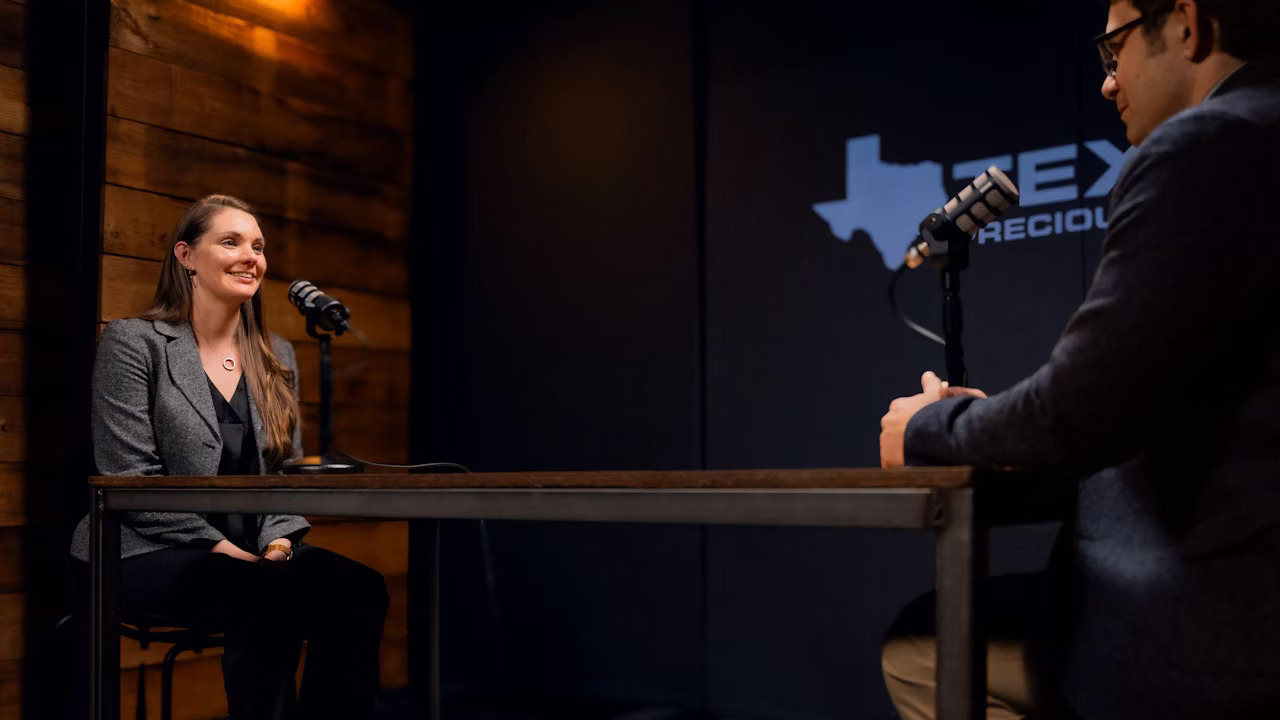
UFC Hall of Famer Bas Rutten joins Tarek for an unfiltered conversation about life inside and outside the cage. He discusses his newest movie, “The Smashing Machine,” starring Dwayne “The Rock” Johnson, where he plays himself as the trainer for UFC Hall of Famer, Mark Kerr. Born in Tilburg, Netherlands, Bas went from being a bullied kid with asthma to becoming one of the most feared strikers in mixed martial arts.
In this episode...
- Moving from prototype to manufacturing with the O2 Trainer.
- Dealing with the post-career void and overcoming addiction.
- The launch of the UFC Hall of Fame silver coin series with Texas Precious Metals.
- The difference between scripted acting and "authentic" performance.
In this high-octane episode, Tarek sits down with UFC Hall of Famer Bas Rutten to discuss his role in the upcoming A24 film The Smashing Machine. Bas pulls back the curtain on working with The Rock, how he reinvented himself after a career-ending injury, and the “washer and bolt” prototype that led to his successful medical device company, the O2 Trainer. This is a masterclass on turning physical limitations into market opportunities.
Key Takeaways
- The “User Method” of Invention: Bas explains how his childhood asthma led to the invention of the O2 Trainer. He didn’t wait for a team of engineers; he built the first prototype with hardware store parts to solve his own problem before scaling it to a global business.
- Authenticity as a Brand Strategy: Whether live commentating in a Hawaiian shirt or acting in a major motion picture, Bas reveals that his success came when he stopped trying to fit a mold and leaned into his natural personality.
- Controlled Aggression: A lesson on leadership and mindset. Bas breaks down why the “calm mind” always beats the emotional one—in a street fight, in the ring, and in business negotiations.
- The Definition of Manliness: Bas offers a profound definition of masculinity that has nothing to do with muscles: it is the ability to overcome your own vices, passions, and desires to remain in total control.
- Hollywood Logistics: A behind-the-scenes look at the filming of The Smashing Machine, and how director Benny Safdie utilized “documentary style” shooting to capture the raw authenticity of the MMA world.
Notable Quotes
“If you have a goal, you put on your laser, and you point it at the goal. Flashlights are all over the place; laser beams are dead on.” — Bas Rutten
“Discipline is the highest form of self-love. It’s saying ‘no’ to something you really want right now in order to get something much better later on.” — Bas Rutten
“I want to be a man who is not a slave to his passions, emotions, and desires, but just a man who is in control of himself.” — Bas Rutten
Mentioned Resources
Product: O2 Trainer
Movie: The Smashing Machine (Starring Dwayne Johnson & Bas Rutten)
Book: The Alchemist by Paulo Coelho
Organization: Karate Combat – Commentator
0:00 - 0:24
Bas: When somebody asks me what kind of man I want to be, I want to be a man who can overcome his weaknesses, vices, and imperfections. A man who's not a slave to his passions, emotions, and desires, but just a man who's in control of himself. So if you're in control of everything, like say, if you like a beer, you know, but you have to drive. Control is saying after the second beer, no more. That's control.
0:25 - 0:40
Tarek: Welcome to Y'all Street. Today, I speak with Boss Luton, former UFC heavyweight champion, Hall of Famer, and one of the stars of the new movie, The Smashing Machine. Boss, would you like a cup of coffee?
0:40 - 0:41
Bas: I would love to.
0:41 - 0:47
Tarek: Look at this coffee mug I got for you. This is what I think about when I think of you. Keep calm and let the Dutch guy handle it.
0:47 - 0:58
Bas: That's it. Where did you find, oh yeah, where did you make all of it? Oh, for real? That is so badass. We had t-shirts, keep all the fight on, like stuff like that.
0:58 - 1:01
Tarek: Yeah. This is how I feel when I'm around you. Just let the Dutch guy handle it.
1:02 - 1:03
Bas: I said, you don't need to worry.
1:04 - 1:05
Tarek: Let's start with the movie.
1:05 - 1:06
Bas: Yeah.
1:06 - 1:31
Tarek: I saw the movie last night. You and I, we've known each other for a little bit. We know a lot of actors. We see our friends in a lot of these movies. And what shocked me the most was you're playing yourself in this movie, but it's not a cameo like what you would see Donald Trump in Home Alone 2 or something like that. You're playing yourself as the guy that you were 25 years ago.
1:32 - 1:32
Bas: Yeah.
1:33 - 1:44
Tarek: What is that like? Walk me through the preparation for that. First of all, are you thinking, how do I play myself? And then how do I play the guy that I was when this thing actually happened?
1:45 - 3:18
Bas: Um, you know, get a bunch of energy drinks. But that was the only thing. I think not even. I think once I saw DJ - Dwayne, he walked in and he started talking. The first thing he did is when he met me, because it was the first time we met. So we've been online interacting with each other, saying things back and forth. And then he's using this quote, hashtag, it's only pain, it won't hurt you. You know what? These are my quotes that I make, people go like, what does he say? And the first thing he did, he grabbed me and he gave me a big kiss. And I go, okay. And I go immediately. I thought, oh my God, this is Mark. Mark used to always do that. If he would see me after two months, he goes back to train. You know, he will grab me and give me a big kiss on my head. So he was immediately already, I knew, okay, he, he studied Mark. And then it started. And he, the way he started speaking and walking and standing and his fighting stance, I always told Mark, I said, don't stand like this, just lean over, man. But every picture he's standing like this, the movement, even the way he laughs and the way he cries. Like if you see Dwayne Johnson laugh, that's a different laugh than when he is Marker. It pulls back both on the top and the bottom. It pulls it open. It's the same with the crying, when he's crying. I go, man, it blew me away when he started speaking like him. It's a fairly intellectual, very soft-spoken, very deep thought about everything. And then to be that complete animal when he fights, it was a very weird transformation, but he completely nailed it.
3:19 - 3:55
Tarek: I don't know that I could have possibly appreciated his performance in this movie, were it not for the fact that Mark Kerr was just on Joe Rogan. So I listened to the Joe Rogan interview and you start, you know, hearing the voice intonations and how he speaks and what he says and his laugh and so forth. And then I'm sitting there watching the movie and The Rock is playing this guy. I'm thinking, oh my gosh, I've never seen The Rock play a role like this, where he's imitating somebody else. And I just thought it was an incredible performance. I wouldn't be surprised if he's nominated for an Oscar.
3:55 - 5:24
Bas: No, I think so too. He has to. Emily as well. She was also unbelievable. We saw it 10 weeks ago or so, eight weeks, 10 weeks ago in the theater in my town. They screened it only for the family. It's a lot of time. So there were three people. And the first thing, my wife, she goes, oh my God, I go, what? She goes, it's him. He's Mark. I go, I told you, you know, it's so great. I get goosebumps now. Every time, you know, when I think about it, because just the first scene we had was the poster. I don't know if you saw the poster where we're all four in the ring. And I'm looking back, you know, that was the first work that I had to do in a movie, make that still shot for the poster that was going to come. And Emily, she walked, I saw her before she walks off. She goes like, dang, dang, dang. So she saw the street fighting DVD, the video for me. So that was funny. And then, but then she was just Emily. And then suddenly I'm in the ring and I'm with, with Coleman is there, Ryan Bader, who did a phenomenal job as well, actually. It was his first time he acted. It was amazing. And then with, with Dwayne, with DJ and he was, he was immediately, he was good. I'm sitting there and I go, my God, this is so weird. He had the same tattoo as all his other tattoos are gone. The tattoos from Kirk. He had that white and split red shorts on. I got, this is crazy. And then I heard zombie. I'm in, I'm looking, I see Dawn, like I know Dawn and she didn't say anything, but just the way she was standing there. And I literally, I go to Bader, I go, dude, I'm getting goosebumps though. This is crazy. It's like, it's a flashback to 25 years. Amazing.
5:25 - 5:31
Tarek: It's crazy. Why don't we take a moment, Mickey, go ahead and insert the trailer of the smashing machine right now.
5:32 - 7:58
Smashing Machine Movie Clip: Probably looking at my eyes. How'd that happen? Well, have you ever heard of the ultimate fighting championship, the UFC? That's the bloody thing they're trying to ban. This guy is the best he has ever seen. Do you hate each other when you fight? Absolutely not. How do you know Mark Kirk? Oh, we go way back, but he's a buddy of mine. Come on, baby. Too much? Never. Too much? No. Please welcome in his Octagon debut, Mark Kirk! Winning is the best feeling there is. It's 40,000 people and they're cheering you on. There's no other high like it in the world. No contract, no money. No money. Do you have any stronger pain medication? Advil. Advil. Advil? Dawn, would you like to? No. Handing them out like candy. Let's all get in. Let's all, everybody get in. Hey, Dawn, can you take this picture for us? Yeah. What are you thinking at the beginning of the fight? It's simple. Am I going to hurt him before he hurts me? This Grand Prix to crown the greatest fighter in the world. He has come back from the brink. Let's see if he can put on a victory over Mark Coleman. Have you spoken to either about fighting such a good friend for a life-changing amount of money? I just need you to let me in. Always about you. Only about fucking you. Everything is about you. Let's fucking go. You're a big, strong man. I love you. I think they want your autograph. Sure. No problem. No fighting.
8:01 - 8:25
Tarek: How did you prepare for the role? How did you prepare to put yourself back in the mindset of who you were 25 years ago? 25 years ago, you were a different guy. I think you're right. And I'm watching you on screen and I couldn't believe it. I was talking to Keith while I was watching the movie where I said, this is exactly Boss Rutan. This is incredible how natural he is on screen. I was blown away, honestly.
8:25 - 9:15
Bas: My people always think that I just started acting, but I started taking acting classes right away when I came to the States. Within three months, I was taking acting classes at the Beverly Hills Playhouse. And that's what one of the teachers said, if as soon as somebody says you're the same as you are in real life, he says, that's a really big compliment. That means you're on the right track. Because in order to be completely relaxed, that's only how you can pull it off. Because otherwise, you start overthinking things. Did I do this? Did I do that? So I let myself just go, just teaching, teaching like I was training Mark at the time. And Benny Safdie, the director, who made everything so nice. All the lighting that was used was natural lighting. So they might put an extra bulb in there, but we didn't have lights in our faces. There was one camera guy, one far away that we didn't even see.
9:15 - 9:17
Tarek: It was a lot of handheld camera shots.
9:17 - 9:17
Bas: Very, yeah.
9:18 - 9:19
Tarek: Felt almost like a documentary a little bit.
9:19 - 9:54
Bas: It was almost like you're there, right? You're in the freaking movie. So that made it so easy. And then as soon as Kerr, DJ, started speaking, to me, I was just training Kerr. And even with the training, I said, I'm not going to teach you. I'm not going to tell you what I'm going to do for the scene. Because I'm going to teach you. So then for me, it's much easier to teach, because now you don't know what I'm going to do. And for you, it's much easier to receive, because you don't know what I'm going to teach. So that made it more natural also. So we didn't do a lot of run-on lines and all that stuff. We just let it just go.
9:54 - 9:57
Tarek: Were you ad-libbing at all? Or was everything still?
9:57 - 10:56
Bas: No, it's not scripted. I got the script. But Benny said, that's the guideline. It's you. Do you. I want you to be as real as you can be. He just wanted authenticity. That word, I heard so many times. He just wanted to be like it was. If he put the fights next to each other, because some people, when he grabs personnel, Abbotts and Banks starts opening his gut, you can put the fights next to each other. They'll be identical. He didn't add spinning Hollywood kicks and all that stuff. No, he says, like it is. You remember when he walks in, and that door falls down with the chains. You go, this looks like an old Schwarzenegger movie or something, or The Running Man, or something like that. That was real. If you see the real footage, you're going to go, that's exactly how it looks. And we went to barbecues there with them. And if you see that this Samoan people, man, all these people, they're such good people. I'm so happy. Just gratitude. That's literally what other people should look at, be like that. Just have some gratitude.
10:57 - 11:12
Tarek: Yeah. So the Hollywood Jiu-Jitsu, that was the name of the location that's training all of these fighters. Had you just recently retired and you were training, or were you still fighting during that time while you were training everybody? And who came through that gym?
11:14 - 12:51
Bas: Well, Marker, Mark Kerr Huas, Oleg Tektarov. He was there with us training. And then Mark Kerr. So imagine there's a shark tank, right? The shark tank is around. We do a six minute round and you got one and a half minute, a new, a fresh guy coming in. And I'm laying on my back. And now I got Mark Kerr on top of me. One and a half minutes. Now I'm not tired enough. Or that's Marker Huas, another 235 guy. And then Pedro Hueso or something. And then freaking Oleg Tektarov. And that's a six minute drive. And then you have to do over and over. They get rest, but you don't. They have to fight. So those guys, Genki Sudo. I made Genki Sudo. I made him. You know, people always go like, you trained him. I said, well, I put him in his first fights. I put him in everything. That's a super famous fighter now as well. He fought also in the UFC, but in Japan. The guy, the things that he does. Carlos Newton was there. I mean, there's a lot of fighters. Once they heard about the gym and they heard that I was training there. Sean Tompkins unfortunately passed away. But he was this great coach who I met at a seminar. And he said, can I come and train with you? I said, sure, you can. So he just let me know. And then not knowing that the next Monday, he called me and he was in LA. So he slept at the gym and he stayed there for three months. Then he became a coach and he started training world champions as well. So it was a full circle thing for me because it brought me right back to that time. And I started there in 1997. When I came to America, my friend set me up right away because it was this new gym. He set me up. And that's when we started training. And that's when I met Marco Rojas right away. He's all these guys who were freaking animals. And we just all started training together.
12:52 - 13:36
Tarek: I felt coming out of the film, it's a sobering film in a lot of ways. And I felt like the film was dealing with the topic of pain in a lot of different forms. So it's dealing with the topic of pain in physical form. And it seemed like there was a lot of reconciling with emotional pain and spiritual pain and this need. He talks at one point in the film of the high of winning in the arena and 40,000 fans and constantly wanting to chase after that. And then you see him back at home doing relatively mundane things. It's almost like a quiet depression that he's going through.
13:37 - 13:37
Bas: The spark is gone.
13:37 - 13:42
Tarek: Yeah, the spark is gone. And he's lost his drive in a sense.
13:42 - 13:42
Bas: Yeah.
13:44 - 13:57
Tarek: How was it for you watching the film, having been a fighter and having been a champion and having gone through a lot of what he's been through and dealing with both the physical and the emotional pain? What was it like for you watching the film?
13:57 - 14:25
Bas: For me, I was just thinking I'm so blessed with my wife. I know her 33 years. It was a year and a half before it all started. She actually predicted everything. It was the wildest thing. I had this fight in Holland that I took and that I didn't know that I took because I was drunk. And I didn't fight for four years. And this guy was Frank, the animal long one. The animal was nicknamed 41-0 with like 38 knockouts.
14:25 - 14:26
Tarek: What year was this? How old were you?
14:26 - 14:29
Bas: I don't know, 86 or something around that time.
14:29 - 14:29
Tarek: Wow.
14:31 - 17:57
Bas: And maybe 88, around that time. And anyway, apparently I took that fight. So they called me. They said, what do we send the posters? I said, what posters? They said, well, from the fight. Which fight? For you against Frank Lobman. They go, the animal. And he goes, yeah. I go, when did I say that? He says, at New Year's. When I saw you, I go, oh my God, yeah. Oh yeah, he said that. Well, until then, I knocked 90 guys out. One in the second round where I stole in the first round. So I thought I was a cool guy. This was a whole different animal. But when is the fight? Two and a half weeks. So that was a problem, of course. I couldn't rope skip for 20 minutes, the first workout. That's how out of shape I was. But you're drinking a lot at this time? Yeah, drinking, partying, drugs, everything. So it was not a good time for me. And then, of course, the fight didn't go the way I wanted. They said it was knockout. It wasn't. You can tell. There's a big story what happened. It's too long to explain. But it doesn't matter. Anyway, I said, because they spit me out immediately in Holland. They said, you see, I always said he couldn't fight. I just won nine knockouts by knockout. And he cannot fight. If the people are like that, screw them. I'm never going to fight in Holland again. So this is the story that my wife knows. And she, when we met in February, 1992, I think around April or something, she has this weird stare in her eyes. I go, what's going on? And she goes, you're going to be a famous fighter in Japan. And I go, no, I told you I'm not going to fight anymore. She said, yeah, but you said Holland. You're going to go to Japan. Then a year later. Think about that. No clue. She just had that. Well, it gets worse. It gets crazier. So then suddenly MMA came about. I was doing these shows because I still want to do something with martial arts. Right. So I was doing these core you have fighting shows with a friend of mine who was my teacher. But then, you know, we became good friends. He was a very athletic guy. Also come up with back flips and somersaults. And then we had these fight scenes with sticks, nun chucks, long sticks, like all this brain test, like kicking cigarettes out of the mouth, like doing cool stuff. And that suddenly became start getting traction. We got Dutch TV, European TV. And now suddenly we start doing these shows there. And a guy, Chris Dolman, he stopped me at one of those shows when he saw me coming up with the backflip. She says, dude, I remember you from kickboxing, Thai boxing. You were really good. And now I see you do all this. There's this new sport coming out. It's called free fighting. You know, do you want to do it? I said, well, do they pay? And he go, yeah, of course. He go, yeah, sign me up. I would love that. But nothing really happened. And then suddenly I get a phone call. And I never picked up the phone. And the answering machine was broke. And I remember walking to the phone, picking it up and looking at my wife like, why would I pick it up? And it's Chris Dolman. And he says, you got to jump in your car right now. Because there are two guys from a new organization, Pankrus. They're looking for fighters. They're scouting. And they want you. And I got to his gym in Amsterdam. There's like a two hour drive for me. And I got into a brawl with one of his champions who wants to be cool. But I said, dude, tone down. They just want to see us move. They don't want to see knockouts. So I think he thought I was afraid. So I asked him one more time. And then I told him, I said, well, that's not going to go one way then, right? I'm going to go my fight back. I'm not going to stop. So I knocked him out with a high kick. Poof. And he went down, needed my stitches. And that's where they started pointing at me. We went in. Now I start fighting. September. This is before the UFC starts. 21st in 1993. Then like two years in.
17:57 - 17:58
Tarek: This is all in Japan.
17:58 - 18:25
Bas: This is all in Japan. She has that stare again. And I go, now what? Because I went right away. And she said, we're going to move to America. And you're going to have a show on TV. I had a show on TV for nine years here. And then what happened? I became a champion there. And then I started beating UFC champions who would come over to Japan. So then the matchmaker came to Japan. He says, hey, we want you in the UFC. Cool. Okay. So in 97, we moved to America. 98, I had my first fight there. And 99, became the champion.
18:26 - 18:29
Tarek: Wow. For those who aren't familiar with Pancrase. What is Pancrase?
18:29 - 20:35
Bas: Well, Pancrase has different rules. When you see it, it was, I always say it was tailor-made. They kind of took Kite Pro Wrestling. You're wearing an outfit. But they take it to real fighting. But these guys are magicians on the ground. Really good with leg locks. So let's put on shoes. Because shoes or leg locks, that's not a good combination. Good for the person who wants to put a leg lock on. But not good for escaping. You can't get out. It's a very hard thing to get out of. And it was open hand strikes to the face. Now, I was a bouncer. I was hitting already with open hands. I was hitting the bag like that. Because I saw my partners break their hands on the skull. Because if you had a skull with your bone, your hand's got to lose, right? That's why they invented the boxing gloves. To protect the hand. Not to protect the head, for people to think. So for me, it was very natural to fight there. But they had this great thing. And I truly believe that's what made Pancrase such great fighters. I think six or seven guys from us became all UFC champions. From that small organization in Japan. And the reason I truly believe... Somebody needs to start this again. We had rope escapes. For instance, if I get you in a submission, in a rear naked choke, and you're about to pass up, but you can't touch the rope, I have to let you go. But that's the same as an eight count. So after the fight, if it goes to the decision, and you had a rope escape, well, you lose. We had also eight counts with body shots. This is not in mixed martial arts right now. But you have to understand, they were 30 minute fights. One round was 30 minutes. So I have fights, if I have submitted somebody five times. And what that does, it gives you a lot of experience. Because if at the first minute I submit them, fight's over and I go back home. No, no, no. We're gonna touch the rope. We're gonna start back at the center of the ring. And then you have fight number two going on. So you got way more ring time. Plus now you start thinking strategically about everything that you do, right? If you're close to the rope, and you want to go for a submission, well, here's the rope. Okay, let's roll them dragging to the center of the ring. Then again, if you lose position, you're in the center of the ring. So I think with that thought, that you had to be way more methodical. I think that's why we produced so many UFC champions. Because we didn't have a crap load of fighters.
20:35 - 21:02
Tarek: Why was all this fighting starting in Japan? Because you have Pancrase. And then obviously in the film, they talk about pride. And these were kind of the early stages of what was ultimately to become UFC. And a lot of, like you said, a lot of the UFC fighters went through that Japanese tour. And without Japan, a lot of these guys would have never had the opportunity to be professional because there was no money to be made anywhere else. So what was going on in Japan at that time? And I'm guessing you were running into all of these guys all over.
21:02 - 23:22
Bas: Oh, all over the place, yeah. My belief, which is what I think, and I can't be completely off of this, but I don't think so, is that everything with pro wrestling started. So in the very beginning, pro wrestling was real. But then you had a show, and that was maybe 55 minutes long because some people got dropped right away. So people didn't really get their money's worth. So now they start, hey, why don't you do this and this and this? And suddenly these playbooks started getting created. And that became pro wrestling, right? Because otherwise there was not really a show. Okay, but if you do the whole show with scripted, and we do all that, I think maybe that in Japan it started as well. In Japan, they're maybe more competitive, like they wanna win. And maybe among these submission guys, because they use real submissions in Japan. Like if you do WWE, they have a hand and he grabs it. Well, the only thing you have to do is this route, right? I mean, in Japan, they will actually grab the hand. They will make sure now you can't turn your hand. So all these little details in Japan, they were real techniques. But if you start playing with real techniques, you wanna of course know, find out, hey, what if this will be real? What will we do? Okay, let's fight for real. Okay, these people loved it. Let's make a show. And let's do it like that. Yeah, but then it could be another really fast show. Well, not if we implement those rope escapes and we start doing those kinds of things, then at least the people have more worth, more value for their money and they can watch longer fights. And I think that's how it got created. But if you go all the way back, it was Valetudo, right? They'd been doing this in Brazil for quite some time. And Bare Knuckle. Valetudo means anything goes. If I say anything goes, I saw a guy, Gary Goodrich, he's a friend of mine. He fought also in the UFC. Go into the cup of his opponent and squeeze the pelotas. And that's how we won this fight. I mean, anything goes. And they were just among each other. They said, okay, we're not going to bite. We're not going to eye couch. But it was a gentleman rule because officially, you can do it. If you have a psycho in there, he would do that. And that's where it started with Hoist Gracie, all these guys, the Gracies, you know, they weren't doing this already for a long time. And that's why it blew everybody away when Hoist Gracie went on the scene in the UFC. The little guy in the freaking pajamas, right? That's what we were thinking. And get strikers, he's going to lose. And then he just cleaned everybody up. They go, whoa, that's a cool sport. And that's when it started.
23:22 - 23:26
Tarek: So you never participated in Pride. You were only on the- The commentary.
23:26 - 25:17
Bas: Yeah, only on the broadcast. Yeah, I was going to come out of retirement. The only loss, I lost twice against Ken Shamrock. But it was the last loss I had because that really made me angry. And I'm a sore loser. But I had nobody to train with in Holland for the drought game because I lost my submission. I was a striker. And then I became very vocal, found one guy, Leon, Leon van Dyck, and a very talented kid, also a striker, was young, 19, 20. And we just started training together, watching tapes, watching. And I said, wait a minute, I can make this better. I made it better. And I suddenly, it was like, I started seeing all the possibilities. Wait a minute, if I create a different setup that nobody knows yet. Oh, we're not getting tricky. What if I do four different setups for one simple submission? And then it started going. And that was it. After my last fight, I won my next eight fights by submission. People were like, what the heck is going on? And I never lost a fight again. I went out on a 22-5 beat on Beatle Street. But it was just because I made a decision right there. I said, I don't want to lose anymore. I need to know this game because otherwise I can become a champion. But they choked me and I'm losing the belt again. It's stupid. It's part of the game. Learn a freaking thing. But I didn't have the love for it. And once I got the love for it, I mean, we always think that striking is the coolest thing. No, no, no. It's absolutely not if you compare it to ground fighting. Ground fighting, I'm able to dislocate any joint in your body. I can break pretty much any bone in your body. I can choke you up, bring you wherever. I can do whatever I want to do with you. That's a big power to have. And this is not me. A blue belt in Brazil, you just will do that to the regular person. Just clean them out. Once they have a hold, you're done. You're going to lose the fight. So once I realized that, I go, man, that's why I was known for knocking people out. But I have actually more submission victories than I have knockouts now because I just love the game. I just start going for submissions.
25:17 - 25:18
Tarek: You're 60 years old?
25:19 - 25:19
Bas: Yeah.
25:19 - 25:24
Tarek: Can you still do it? You walk into a room? Do you walk into a room and still size people up and think?
25:24 - 26:12
Bas: Yeah, but that's an automatic thing, I think. I'm not doing it willingly, but I know when I walk in already, that's the guy, that's the guy, you know, if there's trouble. And most of the time, and they don't even have to be loud, but that was also as a bouncer. I saw that really fast. But not, yeah, I never thought... Somebody told me one time, he said, isn't it cool if you walk in and you say, you know, I can beat everybody? And I say, you know, I actually never thought that. That's like the really weird thought, you know? And I don't think fighters do that. I think maybe beginning fighters, you know, who want to be fighters, but almost 90, 95%, or especially if you're one of the champions, they'll never have that. You'll meet people, once you talk to like all the champions, you'll be amazed. You go like, wow, that's not what I expected.
26:12 - 26:16
Tarek: Going back to your previous point, when people think of fighting, they think of striking a lot.
26:16 - 26:16
Bas: Yeah.
26:16 - 26:35
Tarek: To your point, it's like, if you can manipulate another man's body to do what you want it to do and not what he wants it to do, then you're in complete control at all time. And when you watch UFC, I think that's what's so impressive. Or a guy like Royce Gracie, who can just turn you into a pretzel and before you even blink, basically.
26:36 - 27:12
Bas: Yeah. But it's just like the boxers or kickboxers. Yeah, I'm the best fighter in the world. Same. No, you're not. You're the best boxer. You're the best kickboxer. You're not the best fighter. The fighter is the guy who knows it all. In a street fight, the best martial artist will always be successful. Well, a lucky punch can always happen, but he can take the fight wherever he wants to go. You know, and that's a big power. If a guy stands in front of me, whoop, and he puts his boxer and he starts moving really well, I shoot in, I'll take him down. I'm going to strike with him. Can I? Yeah, I'm a pretty good striker, but why would I take the risk if I could simply take him down and beat him like that? You know, it's not a, oh, but then they think I'm weak. I say, I don't care about, I care about winning and I can win.
27:13 - 27:17
Tarek: Do you enjoy winning more or do you hate losing more?
27:19 - 28:07
Bas: I, um, winning. I enjoy winning. I never mind losing. I never did. I see guys, like Mark, he will be completely crushed. And other fighters, there's people crying and it's like they go through such a hellhole and I go, I never had that. I just thought I got to get better. You know, I lost at the thing that I didn't work at. And then, you know, once I decided to start working on it, I never lost again. So it was all my fault, right? So that's what I thought. Now, if somebody knocked me out by accident or something, like a lucky shot, maybe I have a different feeling about it. But then again, I just, truth, right? Veritas, it's like he hit me at a spot that I didn't expect. I go down and everybody will go down. So no, I never had that problem. I always, it always inspired me to do more.
28:07 - 28:32
Tarek: You're considered by many of you one of the greatest fighters of all time. You're the three-time King of Pancrase. You're a UFC heavyweight champion. You're now in the UFC Hall of Fame. What I'm interested in, in trying to unpack a little bit is how much you had to put yourself through physically. I mean, we saw it with Mark Kerr in the film, but what type of sacrifices were you doing during that whole run, during that whole period?
28:34 - 28:43
Bas: Well, I, that all goes steps from my childhood, right? I was a very sick kid. I had a horrible skin disease. I was the leper in school. Melatze is what they say in Holland.
28:43 - 28:44
Tarek: That's what they called you.
28:44 - 30:07
Bas: That's what they called me, yeah. So I had to wear gloves. And it would be a time, so when I made a fist, it would open up and that's what come out. It was disgusting. So the kids were afraid of me, of course. They thought I was contagious. And that had severe asthma attacks. So if I had severe asthma, and severe asthma is not, I got asthma, no. So week in bed, not able to eat, very hard to drink even water and do everything in your bed because you can't freaking walk, not breathe. So that was it. But then if I, then my skin would clear up. And if my skin was really bad, then I wouldn't have asthma. It was really bad. So a lot of people at home notice where kids have it. I helped a lot of people actually, they're emailing me what I did. Used to do to get rid of all that stuff. But you know, getting bullied for my six years old till I was 14. So eight years being bullied on a daily basis starts, you know, starts putting kind of an anger in you, I think. And then I found Bruce, saw Bruce Lee movie at the Dragon. That was when I was 12. Took me two years to convince my parents to allow me to do martial art. She finally did. The beautiful neighbor girl was dating. She was like 20 and she was dating the cool guy in town, Xavier. His name is Xavier, you pronounce it like that in Dutch. And he kind of took me under his wing. He told my parents, hey, listen, I'm training. I'll take him under my wing. There's no other kids. The adults are going to take care of him. Don't worry about it.
30:08 - 30:40
Tarek: And let me just interject there for a minute because you just said something that was interesting. You have this anger from the time that you're, you know, you're a young kid because you have been picked on and picked on and picked on. We were talking about pain earlier in the podcast. And that's, that kind of goes back to what I was saying is like, obviously there's the physical pain of fighting, but it seems like a lot of these guys are dealing with some suppressed pain or trauma or emotion. And they're using fighting as a way to bottle that up or to handle that or control it in a certain sense. Would you say that that's accurate?
30:40 - 32:50
Bas: That's very accurate. That's why I didn't say it. This is funny that you say that because DJ used that quote. He was training four o'clock in the morning and then he has a hashtag. It's only pain, it won't hurt. But that comes from me, that saying. But that's what I mean with that saying. It's only pain, it won't hurt. I mean, compared to mental pain, it's just pain, who cares? You know, so that's kind of what I mean with that saying, because God, that's an oxymoron. You know, it's only pain, it won't hurt. Yeah, I said, but it's because it's only physical pain. And physical pain to me doesn't hurt. Saying things to me, hey, leper, hey, this, that hurt me. And for a long time it's been doing. It was very hard for me to get rid of that. But you know, that also lit a fire under my butt. Like I was in the forest for three, four hours a day, swinging treetops to treetops. That was what I did because I was a loader. And if bullies would come, I just climb a tree. And I let him climb a tree and then I start swinging to the other tree. Well, they didn't want to do that because they didn't know how to do it. That one fell, almost died. So after that, I was saving the trees. You know, always, I did track and field already. I mean, at a high level, you know, I had the ball record because we couldn't do javelin yet. That stood till like five years ago. No, yeah, but now I'm good. No, no, no, just the ball because I was like 12, you know, and then you can't do a shot, but you can't, but you can't, javelin you can't do so that you throw a ball. But that record just got broken like six years ago. That's been there for God knows how long. You see, I was a very good high jumper, you know, at 60, I jumped six, six, five. Well, that was my high jump, but I was at 16. So I was in a long jump. I was going to do decathlon. Actually, I was wanted to be the Dutch Bruce Jenner at the time. Believe it or not, he was the gold medalist in 76. I looked up to this guy, but that was always, but so once I had a goal, I was always excelling. In school, when the kids would bully me, they would, if there was handball, the bullies knew this was going to go wrong because I don't, I don't even try to put the goal. I throw on you as hard as I can. So they, I will be picked first always because they knew I was the athlete in the school, you know, and they were just afraid.
32:50 - 32:51
Tarek: Did you have any brothers and sisters?
32:52 - 33:40
Bas: An older brother I have, also really good excelling at sports, but he chose to become a lawyer. He did everything summa cum laude in his life. Everything he ever did. I mean, he went to the conservatorium, did three majors, all summa cum laude, directing, playing guitar, playing piano. They were like freaking out. And while he did those three years, the last year of that, he did his first two years for to become a lawyer. Then he became a lawyer. When he got his bull, they call it a holocaust graduation. He was the last one they called because they said, he probably knows more than us. We've never met a guy like this. So he's a very smart man, but he was also a great athlete. And we have this crazy body. Like I told you before the show, I was 203, 203 pounds when I started fighting in 1993. I'm 208 now. So I can eat six large pizzas. It doesn't matter. I will not gain weight.
33:40 - 33:46
Tarek: You took your shirt off in the film. I'm like, this guy is like the, the most in shape 60 year old I've ever seen in my life.
33:46 - 34:48
Bas: Yeah. It's people, they go like, oh, he's using Roids. I'm 208. But what happens is this, I started losing fat because of age. And then it looks much more because you're cut, you know, it's a, and I don't want that. Everybody wants it. I don't because I travel a lot. I think a little layer of fat is good for me. You know, when I travel, because if a flu comes along or something, but yeah, I might get it. I don't want it if I'm tired. So I always wanted to gain. But again, that bullying, that, that, that, that pain that we were talking about, you know, that came out once I started doing martial arts. And within two months training with the adults, I started beating the adults. And then I start overhearing them talking about me in the dressing room. Did you see Bugs Bunny freaking knocked out job with freaking kick to the body? Oh my God, that kid is good. All right. Yeah. He's got a lot of talent. And that's when I realized, okay. And then the first bully came. Shaki was his name in school. And they surrounded me on the bikes. They shouted something, me passing. Hey, leper or whatever. And I shouted something back. And then they stopped.
34:48 - 34:49
Tarek: How old are you?
34:49 - 35:47
Bas: 14. 14. And they surrounded me on the bike. And I said, I told myself, I said, this is it. So I stopped the bike, put it on the sand. I go, I'm going to face him now. And then I get a boister laugh. And they surrounded me with the bikes to keep me in there. And then Shaki came up, crying, leper hit me. And that was it. One punch, pof, out. And every year. You're still getting emotional talking about that. That's it. I'm getting the feeling. You're 60 years old. This happened when you were 14. That's what I say to people. Like, things that you say are way worse. Sticks and stones won't break your bones. Words never hurt. It's not. It's the opposite. I truly believe so. It's, yeah, it really impacted me. But that have always, when I see trouble, you know, I'm the first guy to go. You know, if I see a lady getting bugged or a kid get what, boom, I'm there. You know, and I can't stop it. And even if it's four guys against a girl and then I'm crossing the street and I'm thinking, what am I doing? What am I doing? I can't stop it. I got to do it because if I don't do it, I know I can't sleep for three days.
35:47 - 35:51
Tarek: So as you started getting older, 18, 19, 20, did you start getting in those situations?
35:52 - 37:35
Bas: I did. Yeah, yeah, yeah. And then I, you know, I will take care of the problem. But most of the time, if you stay calm and relax, you know, as a bouncer also, with the screamers, they're never the guys. There's the barking dogs. The guys that stays very calm, you know, and then you just go, pof. If they come close to me, I stand closer to them. You know, I say, let's go inside. But there are no two or both of you. Like, I just want to talk to you by yourself. Now they're already thinking he wants to remove from the other bouncers just by himself or two. So you see, I start planting doubt in their head because they think he's got to know. He's got to know something. You see, that's what I'm just doing. And then there's the bodybuilders. Same story. I said, dude, you're all big. And you know, all these stupid weights and the steroids. I get it. You know, you're bullied as a kid. You've tripped yourself over and now people are afraid of you. So I see straight through that. I was bullied too, but instead of lifting weights, I've been fighting my whole life. So all the time that you spend on your lifting weights, I've been actually knocking people out. You're not going to win this. And then they look at you. I said, I don't want any trouble. Just come down. You guys want to drink a beer. I'll get you your first beer. And that's how I said, that's why they always wanted me as a bouncer. If there was an escalation, nine out of 10 times, I would tone it down. He looked at my wife. Mom, did he say something? No. Did he touch her? No. Okay. Well, that's kind of a compliment, right? I mean, think about it. If he looks at your wife, he goes, you want to have that? And then they start thinking because they're just drunk. They go, yeah, yeah. You're kind of right. I go, no. If he would have said horrible things to her, that's a different story. It would touch her, different story. But he didn't. Come on, bud. Yeah, yeah, yeah. What do you think? What do you think? And it was solved. The problem was solved. And it was good that you have the backup that you can fight, of course. But I just like to talk to people and tone them down and see what happens there.
37:35 - 38:29
Tarek: So going back to this devotion, you started at a young age, and it's like you've been motivated to be this fighter because you've been picked on your entire life. And as you start getting into professional combat fighting to be the best, you have to train and you have to sacrifice. And you're working on your body and you're doing all of these things, just like Mark Kerr did in the movie. But that comes at a cost to be the best in any field, whether it's golf or whether it's basketball or whatever the sport is, you have to put something else aside in order to focus on the thing. And in the movie, the thing that he puts aside is his relationship with his girlfriend. And that's constantly on the rocks. She feels like she's being left out. He feels like he's got to focus. And I bring this up because a lot of people that listen to this podcast are professionals, but they're professionals in the working force.
38:29 - 38:30
Bas: Yeah.
38:30 - 38:50
Tarek: Yeah, it's all the same. If you're an entrepreneur, you're devoting and you're devoting all this time to a company. You're dealing and you're struggling with this work-life balance. So I'm curious to investigate that for you. What was the work-life balance as you're becoming a champion and fighting? And how did you handle that? Especially because a lot of that was happening in Japan.
38:51 - 41:11
Bas: Yeah. Oh, first of all, I thought right away of a scene that Mark's talking about. He didn't have that under control. He had it in fighting. He was talking about the flashlight and the laser beam. Flashlights all over the place, laser beam is dead. And that's what I do in a fight. He should have had that in his relationship or on his goal to become the best fighter in the world. I think he just had it on the fight of the night. But if you have a goal, you put your laser and you pointed at the goal, I want that, then there's nothing stopping you. Listen, I've ADHD. So for me, if something works, I can turn it off. You have no idea. If I get tired, I brainwash myself. I never want to get tired because of my asthma. And then I realized that. So I start brainwashing myself. I start loving it. And I don't tire again. I love it. Give me more. And I said constantly. And suddenly I wanted it. Now I wanted to get tired, more tired, more tired. You see, it's not because you got that focus on, there's the prize, the personal legend, right? And the alchemist, alchemist, they talk about that. That's what this is. And then if, yes, you stray off and some things are happening, and sometimes you have to unload and especially after a big fight, you unload, you go crazy for three days and then you got to stop on that path again because you're not the champion yet. And then once you're the champion, it's very hard again because everybody wants you. So it's not like you can take time off. You cannot get pride sink in. That happened with me in my second fight in Japan and he almost got me. It was literally, he got me in an arm bar. I just wanted to tap because they let me travel all day long. I was throwing up already. My manager was carrying my luggage. I was done. And then the audience started chanting for him. And I was completely done. I couldn't even carry my own luggage. And my ego took over. I got out of the arm bar and 36 later, I knock him out with a knee to the body to the liver, of course. And, but also that was Japan also. That was such a weird thing because I never thought about that. I knew, but I never did it in training. I'm standing, I don't have a lot of power. I'm standing in the clinch and I see him breathe. And on the third inhale, I knee him because I know if he inhales, he's not flexing. What made me do that in the fight? Because I never did it in training, looking at the breathing, but you see, it was a different experience. It was almost like I was completely in the zone when I was fighting in Japan. It was really weird.
41:12 - 41:27
Tarek: In the movie, you were training Mark Kerr. And one of the examples you give is, you know, you hit him into the ribs, you hit him in the ribs. And the third time he's expecting you hitting the ribs, you still look at the ribs and then you hit him in the face because he wasn't expecting it. You know what I was processing? I was like, oh, that's interesting.
41:28 - 42:17
Bas: But if it's with movement, if I stand in front of you, if I give you a jab to the body, right? That's not going to do a lot. But if I overdo this, now I'm starting acting. Every time I do it, I throw my body down. I throw my body. Listen, this punch is not going to knock you out. It's a push. It's not even a punch. He doesn't know that. He still starts reacting on it. Now, as soon as I see him starting to defend it, then I just have to lower my shoulders, pop, and that's my cross to the head. Now I got him because he thinks it's not a body shot. That's the crossover. My whole fighting, I have almost a 90% finishing rate, right? But it's all, and everybody can do this. No, I now have to say this because this is really cool because I found out in the UFC when I got inducted in the Hall of Fame, that until this day, I have the highest striking accuracy in mixed martial arts, entire mixed martial arts.
42:17 - 42:18
Tarek: I didn't know that.
42:18 - 42:28
Bas: Yeah, 70.6%. So the next one is like 60.2 or something. But again, it's my fighting style. I try to connect with everything that I have.
42:28 - 42:33
Tarek: Rogan said of your fighting style. I wrote this down. He was an animal. Boss was so aggressive.
42:33 - 42:46
Joe Rogan Podcast Clip: And he was like an intelligent animal is the way I would describe him. I would describe him. Because he was so aggressive. Boss was so aggressive. He had that like Holland style with like vicious power. And he was just waylaying people.
42:46 - 42:52
Tarek: When you hear that, what does that trigger for you in your mind? What makes you more aggressive than some of the other fighters?
42:52 - 48:37
Bas: Yeah, but it was always controlled aggression. I think my calmness was really, I was aggressive in Thai boxing. Every picture you see of me, it was like, in the fighting, you see me just knocking somebody out and there's no facial emotions. And I, but I realized that I started seeing that. And I thought I, you know, I worked on all that stuff. And it became, see, and I have the anger, but Bruce Lee, he always told me, well, I read his books, it's controlled anger. So you need to be completely relaxed. The many times you see me doing this during the fight, I'm just checking if all my muscles are loose. And because then I know I'm relaxed and I go forward again. But every time when I step back and I see this, that's just see if I'm not tense. Because I always think the calm mind will beat everybody, you know, because then you're not on attention. You're not like, if I do this, you're ready for everything. But if I'm still aggressive, but all of a sudden there's a punch, you can't see it coming. So relaxation is pretty much everything in fighting. So controlled anger. If somebody said something wrong, like I had with Funaki, so that's my first loss in Funaki, he put me in a toehold. Now don't let the word toehold surprise you. I saw somebody break a shinbone with a toehold. It's an ankle lock, but it hurts. But that's my first loss by submission. Then I started getting the submission game. Now it became good. Then I had a rematch with him. It was the last fight on the contract. So they thought they gave him to me. So then the negotiations would of course be better. But I was a completely different animal this time. And then he made the mistake also, so he walks to me in the ring and he stands here and he does this. And that was so uncharacter for me. He never did that. He actually helped me with working out. That's another story. Anyway, I look at my manager, I say, I'm gonna kill this guy now. And he says, you gotta be calm. I said, don't worry, I'll be super calm. I said, but watch, once I connect, he's gonna go mad. I mean, broke both his cheekbones. His nose was flat on his face and he wouldn't go down. He will go down and get a count, get back up. And then the third time I drop him, he says, there's no movement. And the whole audience goes, oh, no, okay. Because he was the hero. And he gets back up. I go, you know, because I was getting tired. I unloaded him. My palms were blue. And my knees, I had bruises on my knees. And then he had long hair. So I grabbed him by the hair, which was completely illegal. And I needed a massage, I couldn't in his face. That was it. He stayed up and he was gone. But I mean, that was just, but you see, it was still controlled. I knew if I would lose my cool. And there's another fight that happened. And I always show my students. I say, this is the fight where I lost my cool. Yes, I won, but look how I fight. And it's a very uncontrolled. I'm editing, I'm swinging, I'm doing. And what happened was, I was away. I was gonna fight in the UFC. And the fight was gonna be in October. October against Randy Couture. That was the official setup first. Cool, okay. So I'm in training for Couture. But I left papers. The public is going down, the less viewers. So they call me, they says, hey, we have an early September show. Do you want to fight there? I said, I'm training for Freddie Couture, he's an animal. You know, he can't take a risk of getting injured. He says, then we give you like a beginner. And I go, yeah, if it's helping you, because it's still a good relationship, I will do it. What I didn't know, and they made a comic out of this. I have this comic that when I beat Funaki, there was already a professional rugby player from Japan, who is like 6'2 or 6'3. He was already training there. And he became Funaki's best, they became friends. Then I beat the crap out of him, out of Funaki. He gets angry and they started training. They start training for me. So now where I'm going. So that beginner was the guy, was a professional rugby player, who they already trained for two years now or something to fight me. And I find out the day before the fight, Guy Metzger, the fighter from Dallas. He's walking on the street. He says, you know where we fight, right? And I go, what do you mean? He says, like a beginner. I said, because I was going to take him down, submit him, you know, and not even hitting my hands because I don't want to hurt my hands if I'm going to have to face Couture. He says, no, man, they trained this guy for you. They did this and they, like I said, they made a comic out of it, which I have. So now I'm angry and I can't suppress it. I go, how the way they got me back? Like that. And then I start thinking about the fact when I relinquished my belt, they couldn't beat me. So they said, you're going to have to fight. I said, my wife is in the hospital. I might, she might lose her life and my baby might lose her life. You know, it was a very heavy, the two pound baby. It was a very hard thing that was going on. So I said, I'm not going to defend the title. I'm with my family now. They said, yeah, the Japanese audience wouldn't understand that. And then, and I go, well, then screw them. I'm not going to fight. Yeah, but they have to win the title. I said, take it. I don't care. So that's how they got rid of it. But now I start thinking about that and about this guy setting me up. And then the first time I drop him, he goes on the ground and he's on the ground and I hit him on the ground, which is legal, but I never did, you know, because I go like, I don't need to, but I give him an extra shot. And I remember the owner walking up to me in the ring and said, boss. I said, you started this crap, dude. You started this. I did. I'm just going to knock him out now. And so I told my hands, I said, I'm sorry. We're going to fight. And I dropped him behind the ear and then it was over. But it was, yeah, those are crazy things that you go through. You see, that's violence, but only at the moment of doing it. And for the rest, you need to be controlled. And that was the only fight I wasn't controlled. I lost my balance. You know, I kick so hard that I lose, you know, and I go, watch that fight, how bad that is.
48:37 - 48:54
Tarek: So what's that feeling for you when you have a big victory like against Fernanke? Yeah, this incredible high. And I've seen the videos of you. You're jumping up and down. Your legs are flying everywhere. And now you're back in the locker room. What is the come down like for you? How was that experience?
48:54 - 51:24
Bas: For me, it was just, let's go party. That was at the time, you know? And it's really weird. My fight against Shaki when I was 14 weighs way more than any other fight I ever had. When I became a champion, cool. Don't get me wrong. But never had that, never had. That's why all these guys say, oh, I can be a champion. I say, you're freaking animal. Everybody, all the champs are afraid to fight you. That's already, I mean, in my book, you know, it is not about winning and losing. It's about, you know, going down and what they always say, getting back up, you know? And these moments, we all have them. I want to lose to him. I attack on the armbar, I'm going to tap. And then I started chanting for him. And then I come out of it again, you know? So these moments help you for the next fight because now, you know, I was completely done, but I still could do it. But, you know, just to be a fighter and so durable and coming in, it doesn't matter if you never became a champion. I mean, all the champs are afraid of you to fight you because they know it's going to be a freaking fight, you know? So take that. And they know we tell the truth, right? If a fighter starts talking bad about you, like the fans always say this, whatever, you have no idea. But a fighter, if a fighter would say, and something that is true, you know, you go, oh, you know? So, and you never want to have that. You know, that's, again, that's that bond among the fighters. You just want to be, because you know that if you're pushed out, then, you know, all the fighters, that's the hardest, would be the hardest for me. Like also in the UFC, my nose is broke. Everything's done. And he says, you want to stop? And then this was so funny. Those are my fight for the world title. So somebody, it was as if the devil was playing with it. The day before the fight, they said to me, hey, but the nose bone in the brain. I go, that's a, that's BS. That's a made up story. And then he said, no, but if the nose is already broken, and then it happens, it might happen. Now in the fight, my nose is broke. The referee's checking me up. And he goes like, your nose is broke. Do you want to continue? And there is this doubt in my mind. So I look at Big Joe McCarthy. I say, do you believe that crap with the nose bone in your brain? And he's like, no, I go, okay, screw it. I'll fight, you know? And then I kept fighting. But there was this moment, because if he would have said, yeah, that can happen, I would have not fought. And then people go like, oh, are you afraid? I'm not. But if I can die, I have a family that I love very much. Like, I want to die in the cage. I want these guys who say that, not me.
51:25 - 51:37
Tarek: What was your wife like during this period? Was she very supportive of you getting him? You just mentioned that she was in the hospital. She's having babies. Did that change the dynamic in your relationship? Was she wanting you to get out?
51:39 - 51:58
Bas: No, because it was my thing. She knew it was my goal now to become a champion. She was always on my side. It's amazing how she worked. She was only afraid for the opponent all the time. So let's go back to the transition from Pancrase to UFC.
51:58 - 52:03
Tarek: How did that come about? Take us back to the early days of UFC. How are they recruiting the fighters?
52:03 - 52:57
Bas: Well, I was beating UFC champions over in Japan. They would come to fight for us and I would beat them. So then the matchmaker, John Baretti at the time, came to Japan to watch me fight. That was the guy, actually, when I lost my control. But I still knocked him out in the first round. So it was okay. And then he said, hey, we want you in the UFC. And I said, cool. Let me finish my contract here. Yeah. How many fights? He said, two or three. How long is that going to take? I said, four months. He goes, what? I said, dude, we fought a lot. I mean, my first year I fought nine fights. My second year, eight fights. I mean, there was a lot of fighting, you know. Because if you're not injured, I said, put me back in. It's money, right? So we're fighting for money. And not the money that they have now. It's like 6,000 bucks or something, you know. And that's already, I started with 2,000 bucks. So it's not the money that they have right now. So then the UFC came. My wife already said, we're going to move to America. So that was kind of our sign that we said, okay.
52:57 - 53:01
Tarek: And you moved to L.A. You moved directly to L.A. Went to Los Angeles.
53:01 - 54:51
Bas: And then right away to the gym. Started training, teaching people there. And then just the first UFC match was against Kosaka. Kosaka was, I knew him very well. He was training with Maurice Smith, the guy that I'll beat twice in Japan. But he was a really good striker. And I remember going to the dressing room an hour before the fight, his dressing room. I said, hey, TK, I'm going to try to knock you out, buddy. I said, I'm sorry. He said, no, that's good. We're drinking beer afterwards. That's good. He says, yeah, okay. So we shook hands and then I knocked him out. But it was an overtime. That's a, that was also, this is kind of a cool story because John McCarthy put it in his book actually. Because the first round, I had a back neck injury and I could stop takedowns for a while. So he got me down a few times, but I escaped and I got back up. And then finally I started to figure him out. I go, okay, I got it. You know, I can't stop it anymore. I'll wait till the overtime and I'll knock him out. So I'm walking back to my corner. Everybody has a word, look on their face. I said, don't worry about it, man. You just shout one minute left and I'm going to knock him out. And everybody's looking. And I turn around to this Big John McCarthy and you heard me say that. And he has this smirk on his face, like, yeah, right. Then in the fight, you hear, one minute, 10 seconds later, he's out, you know? And he goes, Big John gave me his shirt that he was wearing that night. He says, man, take this shirt. This is so cool. And then Maurice Smith came over because I wanted to give him a high kick. But Maurice, I always listen to the other corner. I never listen to my corner because my corner, I have a manager. I train myself. But I would listen to their instructions. And Maurice says, watch out for the high kick. Now, a cross is almost the same movement as a high kick. So immediately, I changed to a cross and then landed and immediately the very same thing went down. I said, Maurice, it's your fault, dude. You stole him. I was going to kick him because you're probably the only guy who listens to the other corner. So that was kind of funny.
54:52 - 54:56
Tarek: So you ended on, like you said earlier, 22-match unbeaten streak.
54:56 - 54:56
Bas: Yeah.
54:56 - 54:59
Tarek: What prompted you to hang it up?
54:59 - 55:35
Bas: Well, injuries. That injury you see in the smashing machine. Okay. Because if that would happen and I had, let's say, two more weeks to train, that's 20 workouts, every single workout. I have 45 minutes. You can put the clock on it. I have no idea what it is. 45 minutes and then that pain will come back. And it's the most insane pain. I had a sciatic nerve. I have a lot of pain. The sciatica is bad because it's all the time. But that, I started losing weight because I couldn't eat. The pain was so intense. Don't want to take painkillers because it's going to slow me down.
55:35 - 55:37
Tarek: Did you ever take painkillers? Was that ever part of it?
55:37 - 56:59
Bas: No, not doing fighting ever. Okay. No, no, no. I would stay away. Same steroids, never anything to the body because I know it will work against you. I think if you just fight natural, it's always better. But yeah, that was an insane pain. And then every workout is like that. So then I train for 45 minutes, come home and I'm completely crushed for an hour and a half, two hours, maybe sometimes. And then you know that in the evening, you're going to have to do it again. You know, so that takes all the pleasure out. I used to wake up so excited. We'd wake up at 4 a.m., eat six slices of bread with a marmalade jelly because somehow that marmalade, the peel from the, what is the orange? Yeah, really helped me always with inflammation and everything. So I would eat that, go back to bed, sleeping on two hours and I go to train. I'm so excited. So then my poor wife, I woke her up a whole bunch of times in the middle of the night, especially when I started with the submissions because I would dream about a submission and then wake her up, I put her in that submission. I say, she's shoulders hurting, right? It's just, yeah. Oh my gosh. And then I would bring it to the gym, you know, to see if it works. So that was, yeah. And during the day I post it everywhere with combinations and setups and all over it. But you have no idea. When I get involved, I get involved, you know, 100%. And then there's no stopping because I need to get there.
56:59 - 57:20
Tarek: And so when you were out after you retired, there had to have been a huge void in your life. I mean, it had to have been, you know, a tough come down. It kind of reminds me a little bit of the guys who are, you know, fighting in the military and then they come back home and you kind of see them grocery shopping. They're like struggling to go back to do normal things because they're so accustomed to this high intensity environment.
57:20 - 57:50
Bas: Yeah, but that's when the alcohol and drug stuff, right? I went through that phase also. First was alcohol. Then actually my second, that last fight I took after seven years, that got me into a PayPal problem. But thankfully within the year I go like, this is going wrong because my liver barely works like a maniac. And once you start taking 10, 80 milligrams of Oxycontin a day, which is bizarre, I go, I gotta stop, I gotta stop because it was only enhancing because otherwise we won't get the feeling.
57:50 - 57:57
Tarek: You know, you don't- There's an irony there, right? Because you're the liver shot guy. You punch everybody in the liver. You have an over-performing liver.
57:57 - 58:43
Bas: Over-performing liver. Yeah, yeah, yeah, that's true. That's crazy. Never even thought about that. But it was, but then again, all these things I believe come from my childhood. You, people would make batch fighters in the gym if I would get cut and they said two days and two days what? Two days that you're not going to see it anymore. It's completely healed. The next day there will be a light on it and the second or third day was completely gone. And how is that possible? Because my skin has been doing that for its entire life almost. When I started fighting in pain because I still have eczema spots everywhere, you know, it was good to hide it. But I mean, my skin was repairing 24 seven for a long part of my life. And I think that helped me a lot with like cutting because I would heal like a maniac in my skin. It was really weird.
58:44 - 59:26
Tarek: You know, you mentioned that your older brother was very, very intelligent. And I think having the opportunity to know you over the last year, I think you're incredibly intelligent. And when you think about, first of all, the strategy and the chess game that goes into fighting, a lot of people think that it's just pure brute usualism and it's not. It's a chess game, right? And it's very, very mental. And then as you retire and you get out of the fighting game, you immediately start getting into these entrepreneurial ventures. You're acting, mentioned that you had a television show. You start training other guys. We're going to talk about O2 trainer here in a minute. Walk me through that next phase of your life. So you get past some of the drugs and the alcohol. What was the turning point there? And how did you get into these entrepreneurial ventures?
59:29 - 1:02:07
Bas: So I started training. This was before the championship match. So that's all the way back for the four, four, four, four, five, six, we had the old one there at that moment. Then I started, I was one time, first of all, I was teaching military, teaching seminars all around, you know, doing that to get money. That was the first thing. Teaching at the school, but I was not making a lot of money, but seminars, I would be okay. And we could survive. That was the thing. And then I was in the dressing room and in the dressing room, there's the TV and the place that has the fight on that goes on in the arena at that moment. You know, markers warming up, it's getting ready. And I'm sitting there, there's two people, the head of the company, just sitting there, the VPs or whatever they were. And I said, oh, he's going to arm bar him. And they said, what do you mean? He's still arm barring him. I said, I'll give it 10 seconds. And 10 seconds later, the guy gets an arm bar and they go like, how do you know that? I go, yeah, I saw him setting it up, you know. And then it happened to get with a knee bar. And I said, he's going to roll over. He's going to get him in a knee bar, watch. And now everybody's looking and he rolls over and he gets him in a knee bar. And they go, how do you know that? I said, well, you can see the setup. You see what they're doing. You know, I can tell. So did you ever come with that? No, do you want to do commentating? Because our next show is going to be broadcasted to the United States on pay-per-view when you're a commentator. That's how I got my commentating job. You know how green I was? This is the funniest thing. Everybody loved the openings of the Pride Fighting Championships, right? Because we had these little tiny movies. We opened it up. That was because this douche forgot to bring a suit. I didn't know commentators had to wear a suit. I swear to God, I'm standing there in my shorts and my Hawaiian shirt with flowers on it. And flip-flops going on the bus to go to the arena. And they said, where's your suit? I go, what suit? And they started laughing. They thought I was joking. I go, I'm not joking. Nobody told me to bring a suit. I had no idea. It was just my voice. I never looked at that. I never paid attention. So now we had to do something different because I'm there with my flower shirt. And then we had Michael Braverman. He was one of the first producers. He was a brilliant guy. He said, I got it. I got it. Steven Cuadros, that's the guy in the movie also. You open up in the middle of the arena and they say, Bas is somewhere in the back, and let's see where Bas is. And then you see me sitting like this. And there's like six geishas around me and they're fanning me down and feeding me grapes. And I'm telling, yeah, 12 guys. They thought it could be me. But you know, it says, oh, hey, Steven. Yeah, no, no, no. The main event's gonna be great. I go, oh, but I'm talking about the main event. I'll see you later, brother. And it would send back to him.
1:02:07 - 1:02:10
Tarek: You can already see the acting chops starting to happen, right?
1:02:11 - 1:02:22
Bas: And then everybody was going, dude, that was the best opening. So now we were forced, kind of, to do every part fighting championship. We would like a little skit we will make with fighters, with other people. And that's how it got popular suddenly.
1:02:23 - 1:02:24
Tarek: Yeah, wow.
1:02:24 - 1:02:28
Bas: Yeah, it's just always things come from things that go wrong, right?
1:02:28 - 1:02:31
Tarek: So you started doing the commentating and then you're continuing.
1:02:31 - 1:02:32
Bas: You're starting to train Mark Kerr.
1:02:32 - 1:02:37
Tarek: And when did the TV series come about? Because you said you had a television series for about 10 years.
1:02:37 - 1:06:05
Bas: So I was also the commentator first for the International... No, first I was a coach for the International Fight League. And then they said, we need a Montevideo. Don't be a coach. We need a Montevideo. So I gave my hat off to Sean Tompkins, the fighter that I said who passed away, but he produced a bunch of champions. He took my team over. I became the broadcasting table. And now we're in the broadcasting table and the eyeball's going really well and the team is working really well together with Kenny Rice and Ron Kruk. And you know what? We just had this bomb going on. And then the show got canceled. But now Mark Cuban is going to do a new show and it's a mixed martial arts show. And Guy Metzger was the matchmaker. And then he's a commentator. Well, Guy knows me. Guy says, you got to get a Bas, man. This guy is crazy in Japan. Everybody loves him. So they got me, but then also Kenny Rice. And also, so all the people from the IFL, the International Fight League, went to start a show inside MMA. We weren't on a show in the world at that time. A lot of people tried to, but I mean, we had privileges. It was really cool because we got regular edits from the UFC. And I called Dana. I go, hey, come on, can you give us something different than all the other people have? But because we were so big, you know, he says, yeah, of course. You know, so we got better footage. We got, you know, it was cool. It was a really cool show. We did have for nine show, for nine years, like 431 shows. And in the meanwhile, Mark Cuban also had other shows on AXS TV. We would commentate on that show and this show and this show, you know? So it was all a band together. And unfortunately, it's very- Did you start taking acting lessons around this time or did that come later? I did it in the beginning. When I moved to America, I started taking acting classes right away. But then I put it on the back burner a little bit. I did a TV show, 18 Wheels of Justice. Oh my God. I hope that nobody sees it because I was nervous. I was so nervous. I couldn't, I remember all my lines, everything I go, I got it, pride. I got it. And then all the cameras, I was a bank robber with a wig and it's hot and started sweating and the glasses start sliding off. It was the last shot of the day. It was a Thursday. Friday was a feast day, whatever it was, everybody was off. Everyone didn't want to go home. That was the thing. And I know the pressure and all these cameras in my face. And it's an action. I go, what's my line? And I messed it up. I messed it up. I messed it up. And then the fourth time I messed it up, I hear the crew go, oh, like that. And then I just lost it. But in a funny way, I turned around, you're not helping me. I'm freaking out, guys. And I went so over the top of it that the next thing that was it. So I got it because it was out of me. The nervousness was out of me because I just showed him. It's always good to just, if you can't do it, just say it. You can't do it. And that releases you. And then suddenly, boom, all my lines were back in my head. And that's how it started. And then Kevin James, I met him within three months when I went to the UFC, to America, because he started this first season of King of Queens. And he was literally my house two miles away from the studios, the Sony studios. And he found out I was in America. And he always used to watch me on pay-per-view on Pancras already. And he said, hey, I want to train with this guy. So the security called me of his management. They ever want to go. And we just became right away friends. It was really funny.
1:06:06 - 1:06:07
Tarek: And then started training with you.
1:06:08 - 1:06:54
Bas: Start training with me. And then he says, hey, you want to shoot in this thing? You want to do an episode for this? And I never asked. I never asked anything. The only time I called him one time was for Here Comes the Boom because I knew he was doing a Mixed Martial Arts movie, but I didn't hear anything. And I called him. I said, Kevin, I don't want to do this. I'm like, because it ruins friendships. But anything, like a manager in the background, whatever it is, I'll take anything. And he says, let me think about it. But he was messing with me. And then I got an hour later, I got the script. And then I realized, oh, it's a supporting actor part. You know, it was a big part. So he said, I had you in my mind the very first letter that I was typing. Don't worry about it. But I thought anything, just I'm a manager. I don't have to say anything. But it was the first time and I got that part.
1:06:54 - 1:07:18
Tarek: How did we get to this? This is the O2 Trainer app. I just bought this. And this is a major product. I mean, this is on Amazon. I know a lot of guys now that are training with this O2 Trainer. How did this come about? I'm interested in understanding just like the business of it. And then I want to get into, I want to hear like what this does. How does this help people?
1:07:19 - 1:12:57
Bas: So I told you I was doing a level track and field. I want to become the next Bruce Jenner at the time, you know, decathalon, he was the gold medalist. So, but running for me, 400 meters, 800 meters, 1,500 meters was always hard because of my asthma. Now, if I had an asthma attack, I was a week in bed. And it was, you can't breathe. You're breathing like this. But after the asthma attack was over, I would resume my track and field. And then suddenly I would break my running times. And this was every single time. And I go, what's going on? Is it the medication I'm taking? Is it, I don't know what it was. And then I went to a doctor one time because I love the doctor's offices. And I saw a drawing of a pair of lungs on the wall. And it had an infected bronchial tube, an infected bronchial tube. And it had a healthy next to it. That was it. I was dying. I've been working on my lungs because I thought my lungs were doing the work, which it's not. But I will go into that. I've been working on my lungs with resistance for a week, 24, seven day, you know. So unknowingly, I made them stronger. So now when the infection is gone, it's open, it's much easier for me to breathe. Why don't I come up with something that controls my air intake? And it started with a thing like, I hope it's in here. Oh no, it's on the other side. Yeah. It started with washers. But not this one. This is a plastic one. This is just, I will explain to you what it is. But washers and bolts, right? See, this is like a metal. I put this in front of my teeth and then start breathing in through it. I make this hole smaller, and smaller, and smaller, which is very dangerous. Don't do this. Because if it shoots you- What did you talk about, like with actual metal washers? Metal washers. How you're- Yep, that was the idea. I go, and then if I decrease that size every time, while I get stronger, then, you know, I make my lungs stronger. It's a simple idea, right? Well, it's in spirit or muscle training, which has been around for a long time. You know, I was not the inventor of it, but I thought I was at the time. So that many years later, in 2011, I decided, because everything was- I needed something. And I say, hey, the routinizer. I was always talking about this at parties, the routinizer. That was the original name. And my friends always say, dude, that's a good idea. And I think it's a really good idea. You should make that thing. And then the fighter, Anderson Silva, was training his fighters with the snorkel device. And what he's doing, he's rebreathing carbon dioxide, which also will do something. But you're going to have to do it a very long time in order to get the spark in your red blood cell count. But anyway, my friends are calling me. It's on the Ultimate Fighter. They're calling me. They say, hey, he's doing it with a snorkel. Somebody's going to come up at this thing. You got to make it. So I made it. And I was still at the time, always carrying an Aspirin inhaler with me everywhere I go. If I sneeze violently, two, three times, I'm going to have to spray my lungs. Oh, gosh. If I work out, every workout what I do, the first two minutes, then the lungs close, open them up, and then I can go. But always need to have one with me because I never knew something was going to happen. I trained with a prototype for three and a half weeks and it's gone. And I go, OK, this is wild. So I call my buddy in Holland who has asthma. I said, listen, I'm going to send you a thing and I want you just to do it. What else to do? I said, I just want you to do it. I didn't want to say anything. He calls me back eight days later. He says, my asthma is gone. I go, see, we got something, dude. There's something. I mean, my asthma, dude, this is crazy, my entire life. So then I start diving into it. And then I realized it's there. It's respiratory muscle training what you're doing. So what happens kind of in your body is this, like everybody thinks that your lungs breathe, right? Your lungs don't do anything. Your lungs open up by chest expansion. But yeah, it's really weird. The way to explain it is the best that imagine that your lungs are attached to your chest. They're attached. And when you expand your chest, that's how you fill up your lungs. So you don't, your chest doesn't expand because you put air in it. Your chest expands. And that is how you pull the air in. And once you get that concept, you go, oh, this is wild. Well, what are the muscles used to open that chest? Well, it's the diaphragm, of course. That's the biggest mover, so to say. And then your external intercostal muscles, the muscles in between the ribs. Those are the ones that expand your chest. So the more you can expand your chest, the more air you can put in your lungs. It's a very basic concept, right? But the chest expansion again by the breathing muscles. You have 11 pounds of breathing muscles. A lot of people don't realize that. It's the most important muscle in your body, right? Oxygen, water, and then food. In that order, I believe, yeah. So you can go three minutes without oxygen, three days without water, and three weeks without food. That's the average human being. So the number one priority is breathing. And we all believe that we're breathing correct, but we don't. If you look in the mirror now and you say, take a deep breath, you do this, you're completely breathing wrong. You can pull so much more oxygen in your body by doing diaphragmatically. Well, this thing will automatically make you focus on the diaphragm. Now, the diaphragm is the thin dome-shaped muscle tendon slash, right? That's like a ball cap almost. And what it does, it drops down every time. And then from that angle, you don't see a lot, but you see what happens. It expands because the outside parts kind of are attached to the bottom of your rib cage. So if that thing drops down and expands, that expands your rib cage. It's a very thin muscle, like four millimeter, but it's a very strong muscle. That together with the intercostals open up your lungs. So it's very hard to bring on the market. People didn't believe it. You look at it, you go like, this is it. This is it. It will transform.
1:12:57 - 1:13:00
Tarek: You developed the prototype and were you working with a company?
1:13:00 - 1:20:59
Bas: With a company, yeah. I found a guy who used me for it. He was doing all kinds of products. A guy named Mike, and I did a skateboard commercial thing from electric, you know, like all these things. And I said, hey, listen, man, I got this idea. So we started working on it. And then the auto trainer came. Once I got it, it was very hard to bring it on the market. And the first thing that she does is when I walked in the office, she says, exhale, inhale. She wants to reach, measure my chest expansion. So I knew what she was doing because the more I can expand, the more air I pull in. So she goes like, yeah, that's right. That's not possible. Do it again. And I do it again. And she goes, wait. And she walks out and she goes back to another doctor. I go, okay, it's either really bad or really good, right? She goes, this is crazy. He says, watch. So she does it again. She says, normally when somebody breaks their chest expansion record is by an eighth of an inch. You almost went two inches more than everybody. So how is that possible? So I said, I'll use this thing. So she started using it. And then she put it in a book because it was working and it started. And for the people at home, you have to understand this also, right? And especially if you're an athlete. But this, I had a guy with pulmonary disease who had 1.3, we have six liters of lung volume. Yeah. And he has 1.3 liters. And you heard about this thing. I did a podcast with him. Lee Fogel is his name. This guy started working out. He's got completely six liters back. He was given up to live. They said he was going to die completely. He said, but I owe you my life with this thing. And that's a true, really true testimony. People with COPD, but asthma, if it's not 70% gone or more within four weeks, I'll give you your money back. That's what I tell them. But you got to do it. And even though it's less than five minutes a day, we all think we are so good that we can do it. No, you got to feel this. Like I have bodybuilders buying enough for their apps because my top apps, they're really think they come to the front because of that breathing. Now, so for the athletes at home, this is a good story to know. Like how does your stamina endurance increase? What is the reason? Well, we train hard. That's what we always say, right? Yeah, I understand that. But what happens inside the body that makes it increase? There's got to have something needs to be happening, right? Well, I found the answer. It's very simple, actually. If you train the muscle over and over again, it becomes more efficient at its job. Therefore, it uses less oxygen. Oh, OK, good. Metaborflex, what is that? Gassing. That's the word, the cool word for gassing. What happens when you're gassing? Well, imagine I explain the same for the people who heard it before. It's the same explanation because it's the easiest. If you're running a very steep hill and suddenly it feels like you hit the wall, it's like you start gassing. At that moment, what your body starts doing is redirecting oxygenated blood. It will take it away from your legs that you're using because it sends it to the number one priority of your body, your breathing muscles. Because three minutes without it, you're going to die. But wait, boss, you just said with endurance, if you work a muscle over and over again, you give it more endurance, they become more efficient at its job. Boom, what if I train my breathing muscles, these 11 pounds? Now, they don't have to steal that blood anymore, which is, by the way, a medical term, I always say, because we're saying blood stealing, no, you can medical, published medical journals will say that. Now, you don't have to steal the oxygenated blood anymore and therefore your stamina right away increases. The thing it does, so I had to go, I had an Atrial fibrillation (AFib) for the last 10 months, you know, till June, 10 months before that. And I didn't know what was going on with me. I couldn't work out anymore. I couldn't do anything. The only thing that I could just do was the O2 trainer, which I do in the morning. I walk the dogs in the park. I let them go. The park is closed. I do my five minutes. I just do five minutes, but you don't have to. I do five minutes of breathing. That was the only thing, but I started to struggle with this as well. And I go, I couldn't walk the stairs anymore. Something is wrong. Now, what was wrong is I have a leaking heart form, but I knew that because I had rheumatic fever as a kid, spent four months in the hospital and I knew that later in life that was probably going to happen. That's why my heart rate is always high because that's the word for it. But at atrial fibrillation, that is like your four heart chambers. They don't bump and sink, so to say. So they're all over the place. That together with the heart valve, now it's getting scary because blood might come in your lungs. Stay there, get still, starts clotting. There's aneurysms. There's all that stuff that you can get. So I had the reset of my heart, which they normally do. They just go in and they give it a shock and then you're reset. And I came out, feeling great. Boom, four days later, back at 18 because I fought through it. I didn't want to acknowledge it. I thought it was just age and why can't I? I couldn't hold up a phone for looking at 45 seconds because my shoulders were burning and I go, what's going on? And the whole time. So I kept going. So I've been doing that for like nine months, neglecting completely what was wrong and just keep powering through it. I don't want to work out. Well, I am going to work out because I have a schedule to do. I have a habit and that is working out. But it was killing me. It was killing me the whole time. Sours became hard to take. So finally they say, okay, you got an ablation of the heart. So then they go in and they map out before they put something on your back. They map out where the nerve that sends those weird signal is. They go in and somehow they burn it away from the inside is the most amazing thing. And I wake up and I'm good. Blood pressure, good. Heart rate, I mean, it dropped 25 points a minute. Beats a minute overnight. So, because I would wake up at 93. Now it's 60 when I wake up. So now it's even more, 35 points down. So six weeks ago, the doctor said, because this happened to Joe, and he says, hey, you can start working out again. He starts here. So I did my first conditioning workout. I stopped at eight rounds and already after the first round, second round, I started doing the minute break. I started doing pushups, started doing knee, started doing... I was not getting freaking tired. I go, dude, this is the most, the biggest testimony there is. There's no way. I didn't train for nine months. So how is this even possible? I had no stamina. I couldn't shadow box. I was in Dubai before a show, I had to get up. And I like to do a workout before because then my mind works better with singing, talking, you know? And I literally, I go just on this speed. I couldn't do one round. I go, this, something is wrong. I gotta, you know, there's no way I get tired from this. And then to go from that after the ablation and do eight. And I stopped. I could have done 15 rounds. I'll guarantee I could have done. But I go, that's no way that I should do that. That's too much. You know, I'm overloading the body right now. So that by itself told me this thing. It's crazy. Once you start doing, you have breathing exercises for your front breathing muscles and breathing exercise for your back breathing muscles. Now the back breathing muscle, first of all, if you breathe like this, you never use them. And why do we start breathing like this? This is the dumbest crazy thing ever. You know what it is? Because we breathe perfect when we go out of the womb. If you see a baby breathe, it's only belly. It's perfect. But once you have five and a half, six years of age, when you go to school, that's where it all starts. Then you sit down all day long. You have belts on. Things like that stuff. Girls say, so many girls come around and they go on. If I breathe like this, they might think I'm fat. These are real. I'm telling you it. There are studies on it and you can literally read those about the breathing. And then people start breathing vertically. Know that four to six of these breaths is the same as one diaphragmatic breath. Pulls in the same amount of air. So even if you take the lowest number, or you do four times this, or you do one time that. If you see my world title fight when I destroyed Furaki in that story, you see, I was completely breathing wrong. And I'm such a high pace. Now I come out of a round and it's this. Every time it surprises me because now you start using muscles you never used before. 360 degrees circumferential about around your body. Those are the muscles that are going to expand. And that's what the auto trainer does.
1:20:59 - 1:21:03
Tarek: And this affects not just athletes or people who are sick, but even singers, for example.
1:21:03 - 1:21:07
Bas: Oh, singers, big one. We have an Australian school buying, you know, because for the focus.
1:21:07 - 1:21:14
Tarek: And they talk about the diaphragm, right? You start with the diaphragm. You got to open it up and you're holding these notes for a minute in some cases, right?
1:21:15 - 1:21:37
Bas: Because with the prototype I was training and my wife started telling me that I had to keep my voice down at restaurants. Apparently I was speaking very loud. I go, I'm not, I'm not. I realized it was this freaking thing. You know, my volume was much harder. We saw Bocelli and then I got to say, I'm sorry Bocelli, but I saw him chest breathe. And that's Bocelli. You know, I got to get the auto trainer.
1:21:38 - 1:21:42
Tarek: This is pretty neat. So the set comes with all of these different washers effectively.
1:21:43 - 1:21:43
Bas: Yeah.
1:21:43 - 1:21:56
Tarek: And the washers descend in size so that the whole opening by the time that you get down to like a one is, I mean, basically tiny. You're doing anything through this thing. So which size are you using?
1:21:56 - 1:24:26
Bas: No, I get, if I really want to, I could do one but that's a big struggle. So I do two and I've been doing that. Listen, I've been doing it for eight years now and I do it every day. And people say bootcrap. I say, go to Facebook, search Bas Rutten's O2 bootcap. I will post time-lapse every day. This morning I posted one yesterday morning. All the time. I have a habit. I don't break the habit. Did I miss some? I missed maybe a hundred but that's eight years every day. So not a lot. That's most of the time due to travel. You know, I land somewhere late and I say, I'm gonna do it. Not on the plane, right? But sometimes in the car, which is not a smart thing. But if you shotgun, you can do it in a car. If I don't have time and I have to walk the dog still, I put a lighter setting number three on and I just walk with it while I'm walking the dogs. And then I can do it while I'm walking the dog. So it's five minutes a day. It transforms you. But this is the thing. You have to do it because you do it for a week and you go, it's not working. And I go, okay. So you're the kind of person who goes to a gym and in one week, you can change your body. You've been breathing wrong since you were five and a half, six. 95% of the people are breathing wrong. Look it up. You can Google this. There are tests there. And the 5% that breathes correct probably have breathing classes. That's why they do it correctly. So it's a big number, 95% wrong. Then a lot of people, there are mug readers too. And that's the biggest. This is always the funniest. When people come to me, they say, yeah, but I only breathe through my nose. I go like, are you stupid? This is really, okay. Breathing through your nose is the very best thing to do. Do it all day long. If you take all the scientists say 500 breaths a day through your mouth, because you breathe like 23, 24,000 times a day. It's not going to make any difference. I say a thousand breaths, not even going to make a difference. This is 30. So what you're doing with this one, you're strengthening your muscles. Now you can breathe better through your nose afterwards because you strengthen your muscles. Now, if you come in and you say, I want to use the O2 trainer and you start working it out and then you do an endurance exercise. Don't do that. That is like taking 200 pounds in my neck, making 50 squats and go walk stairs. You're tiring your breathing muscles. So doing stamina afterwards, not a good thing. After six weeks, flip it. Like before I do a workout, I do it because what it does, it warms up your diaphragm. And now preliminary studies have been saying that your second wind is actually your diaphragm being warmed up. And if I do this before I work out, I can just- I think that's a key point.
1:24:26 - 1:24:51
Tarek: I've started using it before my workouts and you can feel it. And normally you go into the gym and you're thinking about all of the muscles that you can see, right? I'm going to work my biceps or my forearms or my legs and you're trying to get it bigger and formed and all this kind of stuff. But how often do you think about the muscles that are on the inside? They're actually driving the engine. It's like you think about the shell of the car, but what kind of pistons do we have in there? What is the- we'll call it an analytic word.
1:24:51 - 1:25:01
Bas: This one muscle group you should train every day. The most important one, three minutes without it, it's your breathing. I'll guarantee you that. That's what you have to do.
1:25:01 - 1:25:12
Tarek: No, it's fantastic. This is great. So you have the O2 trainer, you're acting, you're training, you're doing all of these things. What else? You're involved with karate.com?
1:25:13 - 1:25:57
Bas: There's Karate Combat. Also, it's a full contact karate league. I'm doing an- I just wrote a show for TV and I'm pitching it out now. And I think it- I think it's what the world needs right now with the craziness that goes on and the man being unmanly. Pure selanimous, guys. That's what we are. We're all a bunch of cowards, you know. Nobody wants to work out anymore. Everybody wants to take a pill for everything. Do this right, take a pill. Do this, take a pill. Go to sleep, take a pill. Harper, take a pill. Oh, but I want to eat it still. Okay, let's drink a freaking bottle of Pepto-Bismol. Before you eat the pizza that gives you a heartburn, it's your body telling you not to do it. Stop doing that, you know. But no, no, no, no, no. I'm in control. It's the pride. It's the- So what is manliness?
1:25:58 - 1:25:58
Tarek: How do you define manliness?
1:26:00 - 1:28:32
Bas: This is my line that I use at talks. When somebody asks me what kind of man I want to be, I want to be a man who can overcome his weaknesses, vices, and imperfections. A man who's not a slave to his passions, emotions, and desires, but just a man who's in control of himself. So if you're in control of everything, like say, if you like a beer, you know, but you have to drive, control is saying after the second beer, no more. That's control. Now you're a man. The non-man, I always thought I was the man because I was doing everything, or drugs, or drinking, everything. That was the beauty. Nauseating people out. That was the beauty. Okay, that was the only good thing, but that's not being a man again. You know, a man is being in control of yourself. And I think what we really need in order to think straight, which people can't think straight anymore, your body needs to be worked out. You can go all the way back to the Romans, everybody was talking about if you're physically not in shape, mentally it's not working. If I have to memorize openings for shows, if I don't work out, it takes me double the amount of time. And then if I put a fast workout in, boom, it immediately gets there. So it's very important to do that. But it's hard to say no to a lot of things. Oh, that's a nice donut. I would like to eat it. You know, and these people, stuffing food, stuffing food. Oh, you can say that easy because you don't gain weight. Yeah, but I see alcohol and I think the same as you think with a donut. You know, oh, I would like that. Oh, I would like that. Nope, I'm going to say. And the cool thing about it is the more you say no, the stronger you get and the easier it becomes for you to say no. It's very simple. You're building a new habit. Like I said, with the O2 trainer, I've been doing this for seven, eight years now. You know, I just build a habit and I stuck with the habit, especially if it's a good habit, you know, if something helps me. But understand also that as easy as it is to get rid of a bad habit, it's as easy to come back again. If you break the habit, it will come back. So you got to be vigilant. You got to stay. You need discipline, right? And that's the line I always use. And I didn't come up with this. I read it. I thought that's the best. Discipline is like the highest form of self-love that you have. It's saying no to something that you really want right now, right? Let's say it's alcohol and I want to be a world champion or drugs or whatever. Imagine you got to say no to that in order to get something much better later on. So discipline reveals the commitment that you've made to yourself. So that's, but now with the future, you always got to bet and depend on the current you to better do what you said you were going to do, you know?
1:28:33 - 1:28:41
Tarek: Yeah, I think, you know, when we talk about the definition of love, what is love? Love is the highest expression of self-sacrifice.
1:28:42 - 1:30:17
Bas: That's it. You see, that's it. Yeah. And that's really it, you know? And it's hard to be patient. It's hard to be not angry. It's not hard. If you look at this, and I don't know if people are, you know, but the seven empty sins, right? You got pride, wrath, greed, envy, lust, sloth, gluttony. I mean, all those, if you look at the world, it's freaking ramping like a maniac. Everybody's overdosing. Everybody's angry because they, and I always tell people you have to, and I always say this, you have two people inside. Like in fighting, during fighting, I have two voices. It's the weirdest thing. And the one that is said, that guy, don't listen to that guy. It's the calm guy. You know, that's what you want to listen to. And everybody has that kind of, we have two animals inside of us. We have an aggressive animal, and then we have a loving one. And the one that grows the fastest, it's very easy. The one you feed the most. So if you feed the anger the whole time, it will only grow. Because again, it's an addiction. And the same as you, your first beer. Oh, that's a good feeling. Yeah. But next week you're going to need two in order to get that same feeling back. And it's the same with anger. You know, and because now in order to get that anger and that dopamine that you get, because now we're getting dopamine from anger. You're going to have to more crazy. That's why we see these crazy videos online. They get more and more and more crazy. Also with people trying things out, people dying, kids dying because they try to do these impossible things because they push the barrier the whole time. And there's a limit. And that goes wrong at one time. But that's all your whole body works. And when you have these devices, you really have two options or two paths. You suppress it or you address it. Yeah.
1:30:17 - 1:30:27
Tarek: Suppress it or address. I mean, some people suppress it with alcohol and drugs and, you know, other vices, whatever they may be. And what you're talking about is you have to address it. You have to face it.
1:30:28 - 1:30:33
Bas: You have to develop that discipline. Yeah. And especially after the smashing machine, you're going to see that it will work.
1:30:33 - 1:30:34
Tarek: That's right.
1:30:34 - 1:32:56
Bas: It will work. If you will have not a movie about anybody who is an alcoholic and who became a successful athlete or whatever it is. There's none. There's no stories about that because it never goes right. You know, in the very end, it will go wrong. So why not stop now? You know, but it's a hard thing because everybody's pushing out more and they're so weak. Everybody, oh, but he said, oh, who cares what he said? You know, everything is so emotional and they need a pill for that. I can't control my, no, you can. You just have to do it. You know, in the early days, we didn't have all that in Holland. I mean, the over-medication that goes on here in America. I mean, it's the most insane. The whole Europe is looking like these freaking guys are crazy. One in every three commercial on TV is from Big Pharma. That should tell you something. Something's trying to sell you something. That's what the commercial does. Oh, do you feel tired in the morning? But you have a little, sometimes, you know, you feel when you're over, you have a little thing. Oh, we got the right pill. Oh, I have that. Yeah, everybody has that. Maybe for one, two days or maybe a week. Oh, let's get that stuff. Oh, the side effects. And then after the side effects, you still buy that. Like even death or suicide or whatever they say. It's this whole line, which they say really fast. And I go, are you serious? But they only eat a good part. That's the same with people like these. You see these kids, they get, these girls, they get completely drunk. They make a picture of her. She beat her own pants. So, you know, they're like, ha, ha, fun. You would think that's rock bottom for that girl. But next week, party again. Like it never happened. And I think that is wrong. But the world, we just need to put the control. That's why, if you want to succeed, you're going to have to. You know, that book, The Alchemist, like I always say, that's one of the best books to read. It's not a big book. You can read it. If you can go from California to New York, you're out of it. But it really set me straight also. Because that's the personal legend that in you, the way he tells that story, you go off the path. Oh, now we got to go. We got to go back on the path. But the way he has with words, I mean, it's like sold about 130 million copies. I mean, it's the most translated book next to the Bible. I mean, in the world. So I saw this big, famous people read it. Like, oh, I'm going to read it. They really got me. So She-Bird, I think it's the wrong book. And then you start reading. Oh, very smartly done. So that helped me a lot. Yeah.
1:32:56 - 1:33:00
Tarek: So when you look back on your career, I mean, it's just been such a wild ride.
1:33:01 - 1:33:01
Bas: It is.
1:33:01 - 1:33:12
Tarek: It's been a wild, there's been a lot of learnings. Incredible lows have been incredible highs. If somebody listening to this podcast, wanted one piece of advice from BossRudin, what would it be?
1:33:16 - 1:35:34
Bas: Well, what did I say? It's actually very simple. It's just, if you have a goal, Gil, and then nothing else to stretch it. That is literally most of the time, the real goal. And everybody will tell you the same thing. And you got to keep on pushing it and keep on pushing it. And the moment you want to quit, don't quit. Because that's more, you're very close to the moment that's going to happen. I truly believe the universe works like that. I truly believe with everything. I was talking to Henry, the Fonz, Henry Winkler, was shooting the movie with Here Comes the Boom. And we were driving together and he was telling me the story. He said that he was doing a lot of auditions and it was either the East Coast or the West Coast. I don't remember. He was going to go back home because he was sick of it. You know, and nothing worked. He's dyslexic. So, you know, he didn't want to do it anymore. He's in his car, onto the airport. He's got a phone call from his manager. He says, hey, we got this part. You got to come in for it. He says, no, I'm done. I want to go to the airport. I'm done with acting. And he says, no, I really think you should take this. And thankfully he did because that was the Fonz. And you see it. I got goosebumps now because that, you see, but that shows it. The guy showed me a book of people who succeed. And the front of the book was a black book with like a brushstroke from up to down. And there was a little dot there. And I didn't know what the book was about. And he gave me the book and I looked at him. I say, is this the point where people normally quit and you have to go? And he looked at me and go, how would you know that? You know, because I didn't even know what the book was about. But I was literally just before the big curve and you got to keep on going. Now don't read something that you love to do but you're not capable to do. I want to be a jet fighter pilot, right? But with my ADHD, I know there's no way I'm going to crash that thing because I don't. Although maybe the focus will come. That's all fighting. Fighting was so peaceful. And striking, sparring is so peaceful because all the shudder from the outside stops because you're so focused. That's the good thing about doing something, especially if you have ADD or ADHD, to have one focus and then just stay on the freaking path. And everybody comes to try to pull you off of it. Just keep going. You know, that's it. Everybody should succeed with whatever job that is.
1:35:35 - 1:35:43
Tarek: So the day this podcast launches is the day that we announced our licensing partnership with USC. That was your idea.
1:35:44 - 1:35:46
Bas: You're the last year. It was so cool.
1:35:46 - 1:36:09
Tarek: And I have a couple of things here for you. This is the first time that you're going to actually get to see the Voss Rubin coin. Check that out. Check that out. I also have the Mark Kerr coin as well. The first two in our series of Hall of Famers. What do you think of that?
1:36:10 - 1:36:24
Bas: You know, it's when you said, it's really, you know, if I could go back in time and I see myself, somebody comes to me and he says, hey Bas, this is what your life is going to look like. I would have thought he was completely insane.
1:36:24 - 1:36:27
Tarek: And you see your face on a coin.
1:36:27 - 1:36:28
Bas: Wow.
1:36:28 - 1:36:29
Tarek: Because you're a Hall of Famer.
1:36:30 - 1:36:31
Bas: Yeah, that's really badass.
1:36:32 - 1:36:33
Tarek: Memorialized in silver.
1:36:35 - 1:37:15
Bas: Wow, man. You see, that was what I said, you know, with these baseball cards. I was signing a bunch and that was exactly at the time when I visited you. And I was signing like 3,000 of these cards. And I come here and I see these images. And I go like, we should do this with like baseball cards. Put a nice little card in there with the original autograph from the fighter itself. Boom. I mean, now you give something of value, you know. And then I didn't come up with it sooner because of the military. You know, I trained a lot of military and I get these coins, you know. And I go, man, this is cool. I should make a coin myself that I'm here with the silver. I go, now it's a valuable coin.
1:37:15 - 1:37:15
Tarek: Oh, yeah.
1:37:16 - 1:37:17
Bas: Although, no, it's still good.
1:37:17 - 1:37:20
Tarek: I ran into your buddy Don Fry last weekend. He said it was his idea.
1:37:21 - 1:37:49
Bas: He told me. I said that it was going to happen. He says, oh, I had no idea one time. I go, yeah, yeah. That's how it works. You should have pushed it through at the right moment. I made an idea with the two mouthpieces for anti-snoring. And I made myself one with two mouthpieces. I drilled them together. I put my jaw forward. I said, man, somebody should make this. This is a great thing. And 10 years later, now they're everywhere. And it's an anti-snoring device. You see, you miss the boat if you don't do it. That's the thing.
1:37:49 - 1:37:54
Tarek: It took some time to get these together because, obviously, we had to work with the UFC. But they've been awesome to work with.
1:37:54 - 1:37:56
Bas: And it's very cool.
1:37:56 - 1:37:57
Tarek: We're very excited. Check out this one. This is Mark Kerr.
1:37:57 - 1:37:58
Bas: All right, Mark.
1:37:58 - 1:37:59
Tarek: This is your protege.
1:38:00 - 1:38:31
Bas: Yeah, yeah. Do a stance. That's the stance. Very straight up. You see? I'll tell you, man, he's going to be stoked. Yeah, this is cool because now you got really cool. This is a cool present. If you know somebody's a Mark Kerr fan, this would be a cooler idea for me to give him something of value than a baseball card. Although baseball cards are very cool. I'm not saying that at all. But value. Yeah. Oh, man.
1:38:31 - 1:38:46
Tarek: Well, we got Georges St-Pierre coming up next in the series and more coming after that. And appreciate the idea. Appreciate the friendship. So proud of you. And this movie is just unbelievable. People go out and see it. It's out in theaters now. The Rock is amazing.
1:38:47 - 1:38:47
Bas: Yeah.
1:38:47 - 1:38:48
Tarek: Bas Rutten
1:38:48 - 1:38:49
Bas: Rutten' tootin'.
1:38:49 - 1:38:51
Tarek: Rutten' tootin'. Thanks, brother.
1:38:51 - 1:38:54
Bas: Thank you, Tarek! Wow.