Ep. 3: Tom Power – CEO of Sunshine Minting
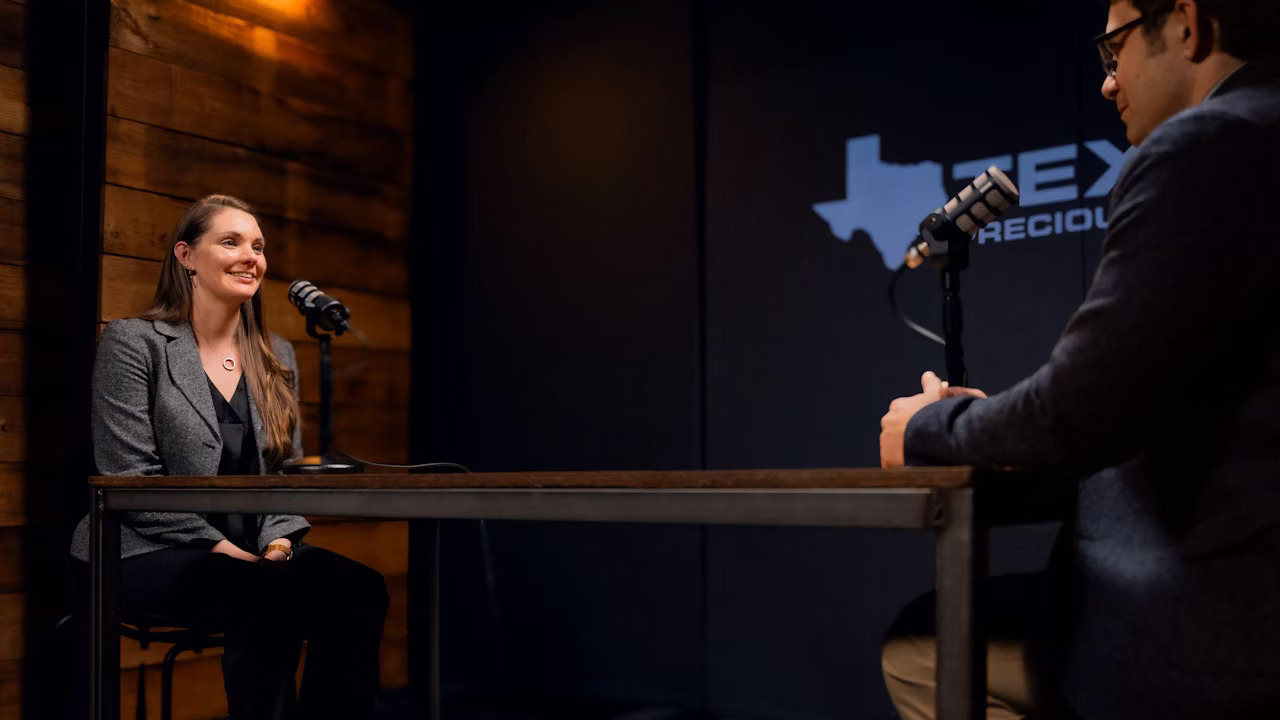
What happens to the global bullion market when silver lease rates skyrocket? In Episode 3 of the Y'all Street podcast, Sunshine Minting CEO Tom Power sits down with Tarek to decode the economics of precious metals manufacturing. This episode breakdown highlights key insights on the arbitrage of moving metal from London to New York, the unintended consequences of industrial silver demand, and how SMI is using robotics and vocational education (K-Tech) to solve America's manufacturing labor shortage.
In this episode...
- The impact of tariffs, fractional reserve ETFs, and the London-to-New York metal arbitrage.
- Risking it all to acquire a business in 2007 and surviving the Great Financial Crisis.
- Bridging the 2.8 million job skills gap in U.S. manufacturing.
- Utilizing $30,000 cobots to modernize an analog manufacturing process.
In this episode, Tarek sits down with Tom Power, CEO of Sunshine Minting, Inc. (SMI). As the head of one of the world’s most important private mints, Tom provides an unparalleled look into the current volatility gripping the global silver and gold markets. From increasing lease rates to the threat of tariffs, Tom breaks down the macroeconomic forces squeezing the supply chain. He also shares his incredible entrepreneurial journey, explaining how he acquired a struggling mint in 2007 and transformed it into a global powerhouse by investing in robotics and local vocational education.
Key Takeaways
- The Silver Lease Rate Squeeze: Tom explains the massive shock to the precious metals supply chain. Historically, mints leased silver for inventory at carrying costs of 0.5%. Recently, those rates have spiked to 10-12%, putting pressure on global manufacturers to right-size their metal holdings.
- Industrial Demand Drives the Market: While investors focus on silver coins and bars, Tom reminds us that the retail bullion market accounts for a small fraction of total consumption. The pricing pressure and supply shortages are driven almost entirely by industrial demand (solar panels, electronics, batteries).
- The “K-Tech” Solution: Faced with a severe shortage of skilled manufacturing labor in Idaho, Tom didn’t wait for a government bailout. He partnered with local business leaders to privately fund and build K-Tech, a vocational campus that graduates high schoolers with zero debt and immediate, high-paying job offers in the trades.
- Robotics for Upskilling, Not Replacing: SMI uses collaborative robots (cobots) to handle grueling, low-value tasks (like hand-weighing heavy silver blanks at 3:00 AM). Instead of firing the displaced workers, Tom upskills them to program the robots, increasing their earning potential and job satisfaction.
- Fail Your Way to the Top: Tom’s leadership thesis is simple: make a decision. Even if it’s the wrong one, decisive action builds momentum. You build a career through course-correcting failures, not by resting on past successes.
Notable Quotes
“If I came down to two things… I was too stupid to say no. I just never said no. I always figured if somebody’s looking for it, then somebody out there is gonna make it. Why can’t it be me?” — Tom Power
“We try to take people that are in low value-add jobs… automate those tasks, upskill them, and redeploy them. We show them, ‘Hey, nobody’s getting laid off. We’re just using this to expand.'” — Tom Power
“You have to be willing to lose… The one thing that failure does do is keep you humble, keeps you grounded. That success on December 31st is very short-lived. You come in on January 1st, and you’re back to zero.” — Tom Power
Mentioned Resources
- Company: Sunshine Minting, Inc. (SMI)
- Institution: Kootenai Technical Education Campus (K-Tech)
- Organization: Johnson Matthey / United States Mint
0:00 - 0:39
Tarek: You bought the business you had what 30 employees or so know when I bought it in 2007 we had 92 employees 92 Okay, and how many employees you have today? 360 So let's talk about that. Welcome to Y'all Street. Today, we visit with Tom Power, the CEO of Sunshine Minting, one of the largest and most important private mints in the world. So, Tom, you want a cup of coffee? Sure Thank you very much This is a specially curated coffee cup just for you Tom for me world's okayest golfer My son will appreciate this.
0:39 - 0:42
Tom: He actually just got hired as the interim and I see golf coach today.
0:42 - 0:43
Tarek: Oh, really?
0:43 - 0:43
Tom: Yeah.
0:44 - 1:28
Tarek: That's great! Congrats to him hmm, I Needed that. But that really sums up my game just okay. Not when I golf with you your Tommy buckets when I go off with you You know, let's let's timestamp this conversation so it's February 18th 2025 and I'm just dying to get your perspective on the chaos happening in the precious metals market right we had Tariffs no tariffs. We've had All kinds of mass exodus of material coming out of London moving to New York Lease rates have skyrocketed which have you know had huge Ramifications in the industry for dealers and mints and so forth. I got to get your take what what's going on?
1:29 - 1:59
Tom: Well, I think it's pure panic Coupled with a high degree of uncertainty as to what's going to happen in the market You know, we just came back from Europe with the Berlin that were the World Money Fair so while we were there we met with all of our key accounts and The customers that do a good job of managing their metal Are not as panicked right now with the market as those that have maybe gotten a little bit lazy on their metal Management side of things.
1:59 - 2:01
Tarek: What does that mean metal management explain?
2:01 - 3:05
Tom: You know when we when we have to produce product We just it just it can't just be one-to-one because you know for every one ounce piece We make it takes two and a half to three ounces of metal to actually Produce that stamp it and especially if you're doing regular volumes of product and you have to keep the pipeline full So it takes additional metal Most of our customers understand that but some of them and and we typically try to manage their inventories at Three to one four to one maybe five to one max a lot Some of our customers have allowed it to get ten to one twenty to one because lease rates were so cheap They became accustomed to having cheap metal We have some customers that buy their metal and that just hedge it so they're not as affected by the lease rates now the EA EFP is a different issue for them, but those that have leased their metals are now just in a full-blown panic mode because They're trying to right-size the ship You know, what what's the actual amount of metal that they need to keep on inventory to mainstay maintain the steady flow of their product? Without carrying too much metal.
3:05 - 3:11
Tarek: So when you talk about lease rates Explain what that is to the to the listeners so they understand what you mean by that
3:11 - 3:33
Tom: Yeah, so it's I guess it's like leasing a car instead of having to put this capital purchase down, you know to buy $100,000 car they'll Take possession of a hundred thousand dollars worth of metal but lease it So they're paying a monthly stipend as a carrying cost for that in the past historically silver Especially half a percent three quarters of a percent per year. I mean very very cheap.
3:33 - 4:02
Tarek: Yeah Because at least this metal because a lot of companies what they'll do is they'll use lines of credit to finance Inventory flows right in the metals industry. We don't do that because it's just too expensive I mean a line of credit, you know at a major bank might be what 7% 8% in in that zone And that's just too expensive when you're talking about right, you know profitability at half a percent percent and and and a lot of our customers So we you know, we deal primarily with sovereign governments around the world.
4:02 - 5:02
Tom: So they have their own Treasury But they still are tethered to common carrying costs So a lot of these mints have now seen their costs go from a half a percent per year on silver to 10% per year 12% per year gold we've heard the same sort of thing and when you're talking three thousand dollars an ounce for gold That adds up very very quickly for your carrying costs So we're seeing that more and more of our customers are just selling off assets trimming down their holdings To the bare minimum what they need to maintain production without cutting themselves too thin But they're just trying to find that balance until you know, we're hoping in the next 30 60 90 days There's some clear policy decisions on what Trump is doing with the tariffs and things like that And maybe that'll help to settle This market down and allow people to to breathe and at least then have a good plan moving forward right now They don't they're there. They're all just scrambling to understand what's happening in the market So let's dig into this a little bit more.
5:02 - 5:08
Tarek: So with the tariffs like in North America, for example You are the largest private mint in North America. Is that correct?
5:08 - 5:22
Tom: That's correct So the vast majority of silver comes from Mexico does it not If for us I'd say about 50% Okay, but but you're right Yes, the vast majority in coming into the US is from Mexico, right?
5:22 - 6:22
Tarek: So the the tariffs when Trump started talking about them, everybody was concerned like are they is he kind of going to exclude? Commodities, is he gonna exclude gold? Is he gonna exclude silver? But there was no specification. So there was a lot of uncertainty about you know Potentially the overnight change of a 25% increase in in the cost of the raw material now there's there's a jurisdictional component to that where Silver in the US from Mexico will be more expensive than silver in another location another jurisdiction So, how does the market adapt to that because number one there are arbitrage opportunities were that to come number two? This whole pull from London to New York is You know connected to much of these concerns because you wanted to pull as much Silver into the US as possible as much gold into the US as possible before The the the firewall goes up on these tariffs, right? So, can you talk a little bit more about that?
6:22 - 8:36
Tom: Well I think some of our customers are in a Bit of a delicate situation because we're not just we're not just getting metal for investment purposes We're getting metal that we're gonna turn around and fabricate into finished product So when you talk about silver, there's actually two pipelines of silver There's three nine silver which is considered commercially pure ninety nine point nine percent But there's also four nine silver ultra pure silver the primary source for that is Mexico and That's the people that are panicking right now. Is that it you can get a little bit of that silver from Europe There's not much of it comes out of Canada because there's an abundance of three nine silver around For nine silver that was a different beast and there's not a stockpile of it sitting around so You know what what they're seeing now is the the bankers and the brokers can actually offload this metal to cover positions for people and Charge more than we can pay we can charge for retail You know, so it did the the people that are in the four nine silver Positions are probably the ones that are the most nervous right now trying to figure out what's that long-term look there's matters There's a couple of our customers over the last few years because we saw this also during kovat early stages kovat Real shortages that the metal was available, but it was just physically in the wrong parts of the world You know, it was all in London. It was all in Switzerland all in different places I know even then people were leasing planes and Flying metal over to North America very expensive to do that. Very very expensive to do that. Mm-hmm, but so we were able to actually convince some of our Customers to switch away from three nines to four nine or sorry from four nines to three nines Just because it was more readily available. It helped to abate some of those Transportation costs and the high arbitrage that you know the premiums that they were paying for it. So But I don't know that you know The people that are into that four nines material right now. They're just not in a position to change So they're really struggling to try to figure out what does this look like long term and you know Are they better off there make more money selling their metal right now as opposed to turning it into fabricated product?
8:36 - 8:38
Tarek: And it's just like the Royal Canadian Mint, right?
8:38 - 9:16
Tom: It's a with it without mentioning names. I mean, there's several mints that do primarily four nines material and They're in they're in a difficult spot We have another mint that we work with that does a combination of both three nines and four nines One of the Canadian banks we dealt with we deal with About four years ago. We actually converted them from four nines to three nines products So they're in less of a vulnerable position now because of that and then most of our other customers There's a few European customers still believe in that four nine silver Yeah, so they're there, you know either reassessing Do they need to move to three nines or how they're going to manage these programs moving forward?
9:17 - 9:58
Tarek: How impactful is this exodus of metal from London to New York? Because there's all of these articles online now that that are Talking about you know it's it's like the when the tide goes out and you see what's what's underneath like our Have you heard any panic from from London in terms of there being all of the metal there that needs to be there You know We know that there are delays in getting a lot of the material out of the vaults and getting them onto planes and people are waiting And waiting and we have this choke point in this bottleneck. What does this look like? Near-term medium-term long-term and maybe maybe you can talk a little bit about maybe what's keeping you up at night these days.
9:58 - 10:48
Tom: Well, yeah, I mean the the The challenge for everybody I guess is like we've we've kind of built our value systems on Knowing how the comex works the LBMA works how these contracts work with the banks and you know People are either taking short positions long positions when all of a sudden everything gets called in It's no different than having a run on physical money at a bank Is there enough actual physical money available to cover everybody's withdrawals all of a sudden? Everybody wants to withdraw everything they have in a bank I don't think there's enough currency in the world to cover that because it is Almost almost kind of a Fiat system that's been created even on the precious metal side of things Oh, this is interesting, right? Because if you read the articles about Is there really enough metal to cover all the contracts that are written? Don't know...
10:49 - 10:51
Tarek: What's your opinion of that?
10:52 - 11:32
Tom: I Have to believe that I mean the premise of precious metals is having physical assets and not a Fiat currency I would have to believe that there is enough metal together I think it's just the logistics of getting it where it needs to be To cover those positions is what's going to be very very very challenging. I think the one thing that's really thrown a loop into things is the ETFs Because they are Kind of a Fiat based, you know, they don't need they only need you know One-tenth of an ounce to actually cover a position or something, you know based on so there's never gonna be enough physical metal to cover All the shares and everything.
11:32 - 11:32
Tarek: Mm-hmm.
11:32 - 11:56
Tom: That's theirs that those are the ones that I think really threw a kink into the market So, yeah I mean I guess my biggest fear is just if there's a physical run and everybody wants to take possession of their metals all these contracts get called in It's just gonna price this product in an already aggressively priced market I think out of the out of the reach of the average person
11:56 - 13:11
Tarek: So so just for some of the listeners who might not be as familiar with fractional reserve lending this is sort of the the origins of banking where gold and silver were money and It was dangerous to have a lot of money on your person because people were getting robbed in the street so you'd go to a bank and you get a paper receipt for what you deposited and What the bankers figured out was it was rare that everybody was going to come in with those paper Receipts to redeem their physical metal at any one time. So they started issuing more paper receipts than was, you know backed by the actual gold or silver that was in the vault and that was the origin of fractional reserve lending and I think we're actually one degree removed from that at this point actually multiple degrees removed because first of all We don't have any gold backing our currency The dollars that are printed are now a very small fraction of total available currency, right? I think it's something like 3% of all of the money all of the US dollars that are that are Introduced are actually in paper form Which is why you know The the run on the banks is always a big concern, of course None of the banks have enough cash to supply everybody that I mean you have a draw one company the Bureau of Printing and Engraving
13:11 - 13:15
Tom: They don't have enough capacity to make all the bills to cover exactly everything that's being issued.
13:16 - 14:04
Tarek: And so what you're saying going back to the ETFs is you're saying that the ETF? infrastructure is Similar to this fractional reserve banking where they only need to have say 10% of the actual gold For the paper certificates that are issued to support that ETF. That's that's really interesting you know, we've been having conversations recently with You know a variety of RIAs and they say You know their their response to GLD is well we don't expose to GLD because what's the point You know, if you want to buy gold buy gold, that's that's the you know, the real insurance policy against Currency manipulation and inflation etc. But let's let's rewind a little bit. How did you get into this industry? Let's learn a little bit about your background.
14:05 - 19:36
Tom: Well, that's a I always tell everybody I blame my wife for getting me into this industry I seriously we were we were newly married living up in Toronto, Canada. I was working in the food industry And as a newly married couple, it was a little bit difficult in the food industry You generally work at nights to have the everything ready and fresh the next day to deliver So I was a manager of a food a bread factory basically up and up in Canada After we got married my wife did not like the fact that I was working from 11 at night till 7 in the morning and then she was working so Unbeknownst to me I She kept dropping my resume at different headhunters and I kept getting these calls and I would ignore them ignore them So about three months into our marriage we were we were on the weekend having dinner And she said, you know debriefing. How was your week blah,blah,blah and I said, oh I just I keep getting calls from this one company this headhunter. She goes. Oh Yeah, their office is right next to mine. I keep giving them your resume and I'm like well It would have been good to know so I don't ignore them So the next time they called I didn't ignore them and it happened to be an opportunity With one of the world's largest precious metals company Johnson Matthew different kind of bread different kind of bread as I keep telling people I'm still making dough So I interviewed with Johnson Matthew and and they were not necessarily looking for somebody with direct metals background they were more Keyed in on somebody with a good production fundamentals and that was my background. I'm an operations person Really understood quality and all those sort of things. They were revamping their corporate structure in the Canadian operation So it was just a very good timing a very good opportunity for me to to come in And it was days. Yeah, that was the big kicker for me. It was days, right? Yeah, and so and it was one of those careers that within a month or two and a being in there I Absolutely fell in love with the industry It's just now now instead of making a loaf of bread that that people would eat. I'm making a product that has both an Intangible and an irretangible and an aesthetic value as well, too I mean you just look at this product you're you're you're making a literal piece of art every day And I just found it fascinating and the benefit of working with Johnson Matthew in Toronto So Johnson Matthew Toronto was the primary minting facility for Johnson Matthew globally So they used all of their field offices around the world To bring in business. So I was dealing with and you know, and somebody had never traveled out of Canada now all of a sudden I'm dealing with Mints in Taiwan and China and you know all over the world Luxembourg and Belgium and this in that and then so it was just a Really really fascinating business for me And so I really I just became a student of the industry. I really threw myself into it I went and took some metallurgy courses myself to really understand the metals that I was working with couple of engineering courses And and just kind of built on that and one of the things that Johnson Matthew was very very good at Is they allowed you to develop what I call an intrapreneurial spirit where you can run your department like it's your own business But you get to do it on other people's money, you know So and they were good about letting you make some mistakes, but not too big of mistakes So really helped to develop my my career myself and I did multiple roles I went from being a production manager to I was the person in charge with all new product development Then I was managing the whole production area which included platinum production and mint production and other products So really in ten years, they're Really rounded out, you know me as a as a as an operations person one of the things about Johnson Matthew Little known fact they were one of the first companies in Canada under NAFTA when it was introduced in 1993 To be given a federal contract to supply products to the US Mint from Canada Very very controversial at the time. I'm I know in my archive somewhere I have got hate mail from Senator Ted Kennedy and you know, and everybody was like, oh you're taking away American jobs And I'm like, hold on. I thought this is two-way trade here, you know For us it was a great deal as a Canadian company We could produce it, you know, and just just use the spread of the Canadian to the US dollar We could produce it say for a dollar Canadian sell it for a dollar US and that spread was was all of our profit right there so we quickly became a Secondary supplier to the US Mint primarily for gold at first and then they wanted us to participate in the silver side of business The problem with Johnson Matthew it was too institutionalized by that point too much overhead too big of an organization Could never you know Man it manufactured this product that the price that it needed to be manufactured at and then just as we were really kind of getting our Ourself in a stride with the US government in 1996 Johnson Matthew corporate decided to exit fabricated products completely So they shut down the platinum division. They shut down, you know, the jewelry division. They sold them off I think the jewelry division sold to either Handy and Harmon or Leach and Garner or one of those, you know And they they stripped away all this stuff Except the mint division because you had the US government going hold on a second.
19:37 - 19:49
Tarek: Was there enough material in the United States to be able to supply the US Mint at the time Did they have to go outside the US borders? You're not going anywhere We you have a contract to supply us. So..
19:49 - 20:25
Tom: No, no, they they shipped in all the material every week. Got it You know, I I have to be honest with them I worked in precious metals company and I worked in Johnson Matthew was a massive factory but the first time that tractor-trailer showed up for the first delivery of gold and they opened up and there was literally a 100,000 ounces of gold bars sitting in the back of this truck. That's what I just had it Wow moment You know, you just that that's one of the ones that takes your breath away. I had a second situation like that. I actually got invited to West Point After they had a family day. So all the vaults in West Point were open, and I truly got to see exactly how much gold is stored at West Point.
20:25 - 20:34
Tarek: Interesting.
20:34 - 21:31
Tom: It's a lot It's a lot But so Through the US Mint is actually how I became tied in with sunshine minting So in parallel to Johnson Matthew exiting the fabricator products business this little company called sunshine minting here in Coeur d'Alene, Idaho Was trying to become an approved supplier to the US Mint So thankfully to the US to the US Mint and the people there they they said to us at that time You help us find another vendor That can take your place in the contract by meeting the quality requirements the quantity requirements and maintaining that for six months That will allow you under the contract without any penalties Wow So sunshine sort of backed into the relationship with the US Mint it did the owner of the company at the time had recognized for a small manufacturing company the benefit of having the US Mint contract because Now you were able to create a baseline business
21:31 - 21:38
Tarek: Yeah, you put that steady supply of product because the volatility in the metals market is the hardest thing to to deal with absolutely any Mint or dealer or whatever
21:38 - 22:32
Tom: and couple that that sunshine mint was used to be owned by sunshine mining company of Kellogg, Idaho, right and They the mining company owned the bin for about 10 years. I think from 84 to 93 and at the end of 93 Again silver price is being depressed the way they were they decided to strip away assets So the gentleman that had started the mint bought it back from them Worked to deal to keep the name sunshine minting. It used to be called sunshine bullying company and then so he recognized that having a contract like the US Mint would be so beneficial for a small company to Game changer even out even out those ebbs and flows in the market plus two. They lost the free pipeline They were getting from the mines Right. They lost that steady supply of material. So it was very just hand-in-mouth that they were going.
22:32 - 22:42
Tarek: So going back to that moment when you were at West Point and you opened up those doors Yeah, how much gold do you think was there?
22:42 - 23:07
Tom: Oh, yeah. Have you had to guess? Well, let me see I saw one vault and I know they have multiple vaults and this vault was probably 10 feet tall 15 feet wide maybe 15 feet deep it was stacked To the ceiling as deep as you can see and this is all for coinage. This is just this is all Treasury gold.
23:08 - 23:09
Tarek: Oh interesting.
23:09 - 23:21
Tom: So I don't I had a little conspiracy theory here All the gold that they say that should be at Fort Knox, I don't think is that Fort Knox I think it's distributed around at a number of different.
23:21 - 23:23
Tarek: We're gonna find out pretty soon.
23:23 - 23:23
Tom: I know
23:24 - 23:35
Tarek: Check it out well, even even if the gold is at Fort Knox a lot of people are questioning whether or not the u.s. Owns it or if it's if it's being leased out to other countries or rehypothecated
23:36 - 24:03
Tom: If they don't if they're if it's at Fort Knox or at West Point They own it the only the only metal that I think that that could be brought in Into that fold is the stuff that they may be keeping at the Federal Reserve in New York But I but I think the stuff that's at Fort Knox and at West Point That's their silver there. That's their gold They actually only own a small stockpile of silver now anymore So now they're buying and selling on the open market.
24:03 - 24:05
Tarek: Was that the only time you'd ever been in that West Point vault?
24:06 - 24:21
Tom: The vaults, yes, because generally when I go there I'm there for the to see the manufacturing So all the shirts are closed except for maybe one that they use. I've also actually been down deep into the bowels of San Francisco the mint of San Francisco? What was that like?
24:21 - 24:24
Tarek: Amazing. I mean that the building there isn't very many people that want to go deep in the bowels.
24:24 - 25:05
Tom: Oh, no No, it's it's it's it's not a very comfortable because there's one staircase To get up and down besides the freight elevator and it's about this wide and that's a spiral staircase going down and down I think I went Three or four stories underground So you have to think that that building was built on that rock to make it earthquake proof. Mm-hmm, right? So all of the heavy storage so they say so they say everything is Stockpiled down below the mint But I know the Minden is public information part of the reason that the Silver Eagles were developed was to help reduce the strategic stockpile of Silver back in 1983
25:06 - 25:11
Tarek: But why would the US want to reduce the strategic stockpile.
25:11 - 25:13
Tom: Because it wasn't tethered to the money anymore.
25:13 - 25:15
Tarek: Right, so they saw no use for it. They didn't even want to keep it on the on the balance sheet
25:15 - 26:21
Tom: No, no, but they they saw that there was a way to to make it and sell it back to The taxpayers of the US or whoever was interested in buying it, but it became such a popular program It's just maintained and I mean literally they ran out of usable silver probably 15 20 years ago But it's it's a program that carries on and carries on because it still makes money. It still makes money Well, I have to be careful what to say that because the mandate of the US Mint is actually not to make money I mean to make money but not to make a profit correct, right? So they are they're basically told by Congress that they have to sell that product for what it costs them to manufacture it so that's that's you know, they they do I know they do make a profit on some of the Commemoratives and the collectibles and the numismatic things they make but the bullion is technically sold at cost to the to the American taxpayers To you know, whoever buys it, right and those costs have been rising pretty driving Of course, they suffer the same ills that every other manufacturer any every company in this in this country is suffering right now
26:21 - 27:28
Tarek: That kind of brings us back to the beginning of the conversation in that Where do you we're it feels like we're at this Unique moment in time where we've had this incredible run probably since the beginning of Cove a four-year run of just incredible consumer demand for precious metals Trump gets elected the consumer demand has fallen off while the demand falls off all of a sudden all of this demand to move metal all over the world has Skyrocketed as we talked about at the outset of the call Where are we today? You know as we go forward if you can kind of whip out the crystal ball here. Do you see? Costs permanently rising. Are we on the cusp of a new plateau of increased costs? Should we be expecting if not the full 25% tariff, maybe a 5% tariff that that impacts sourcing costs In general, we've been struggling with inflation, you know labor costs of increase the cost of energy of increased Etc, etc. Where are we at this point from from your vantage point?
27:30 - 28:11
Tom: You know, I think what's it what's? Unfortunate about this is that there's always unintended consequences every time things like these tariffs come up and What we're seeing right now So I also want to remind you that we actually had this kind of a run prior to 2016 To if I look back 2013 14 15 great years unbelievable years. I know me as a company. I Think that year we broke a record We made 88 million ounces of silver product for the marketplace And that was in a market that we our studies had shown was probably maybe 200 million ounces globally
28:11 - 28:19
Tarek: Yeah, and and also for context what is annual mining production is only 800 million ounces So so you're talking about fabricating about you know, 1/8th of total mining production or 1/10th
28:19 - 29:15
Tom: exactly and and and so that I think though is is part and parcel To what we're seeing today the X factor that in our industry I don't think it gets talked about enough, but when I go to you know, the silver users Institute meetings in New York Our market that silver market is driven by industrial use not by the products that we're Participating in this is only a small fraction of the consumption of silver globally about 10% Yeah exactly I mean it's so the prices that we're seeing today the demand that we're seeing, you know with this with the the least racing arbitrage We're the unintended consequences of that right because it's the industrial users that are really driving that these are the ones making The batteries the solar panels that you know Electronics all the electronics and things like that that this is a critical component they have to have it
29:15 - 29:38
Tarek: So there's there's this dislocation between silver and gold because gold is predominantly used in in Finance worldwide fine exactly. Obviously, there's some jewelry and there's some coinage and things like that, but it's it's a Financial instrument whereas silver has some financial instrument qualities some monetary qualities But it's as you say predominantly, you know an industrial metal industrial metal.
29:38 - 30:20
Tom: Yeah and and so You know It's it's probably industrial users that are pushing all of this demand to have the silver in the right locations with their contracts You know the Mitsui's of the world and things like that We're the unintended consequences of this in our industry that all of a sudden we're getting whacked with all of this Unnecessary costs and burden just because of what's happening everywhere else and for the primary users of silver But gold is lumped in there as well too because they both all trade on the same platforms, they're all financed in the same way Even regardless of what the end user is using it for it's just it's just hurting the minting industry and that the supply of physical products
30:20 - 31:31
Tarek: now, this is a modern phenomenon though, because you know, this is a Sort of a relic of the last hundred years where silver is predominantly used in an industry prior to that. It was a currency Mm-hmm and You know here we are. It's sort of you know, the the Neil Howe's expression the fourth turning It's that 80 to 100 year life cycle and we're seeing a lot of disruption and change both, you know with first with kovat and then with the political environment and it seems like everything is getting thrown up in the air and being recalibrated right now from geographic borders to views on finance and Is there a world in which Gold and silver which have been sort of the the redheaded stepchildren of finance for a hundred years Now come back into popularity as being anchors. We saw it with with Russia When when the sanctions hit for Ukraine, they started pegging their currency to gold to keep it from collapsing Does it does it have a renewed place in? Global economics or Where do you see it going?
31:32 - 32:05
Tom: I Think it was a status quo. I yeah, I mean it's it It might take a little bit more disruption in the banking industry Like we've seen little little hints of that when all of a sudden this bank collapses that bank collapses That's when people recognize the need to have physical assets, right? It's all good to be in the digital world But guess what when that Internet goes down your Apple watch is not working anymore And this is not working. You're gonna be completely out of touch with you know, you can't access your funds in the bank You can't this is the argument against crypto, right?
32:05 - 32:17
Tarek: This has the fight with crypto and gold is like well crypto I could take anywhere It's just I can have a billion dollars on a phone or whatever, but you run out of electricity You can't access your crypto
32:17 - 33:05
Tom: And we've seen that you know So it take a couple of banking failures all of a sudden people recognize the need for these physical assets Then it goes along and everybody gets comfortable again with the way things move along then something else will happen another conflict in the world You know, listen, you know, you hear the the pundits are saying we're around the precipice of World War three if that truly ever happens People will want physical assets people are going to want you know Wealth that they can hold on to physically hold on to right, you know, will it ever happen? You know, I know Trump is a very big believer in peace and not not war So easy, he's gonna fight hard to make sure that doesn't happen But it just takes another world conflict another upset in the banking system to demonstrate to people Don't be too comfortable in this digital world because it could all go away very very quickly
33:05 - 33:25
Tarek: So going back to your career then You you find your way to Sunshine Mint and at the time this is really small operation operation and Has the the good fortune of inheriting this Contract with the U.S. Mint, and how many employees at the time would you say?
33:25 - 36:11
Tom: So when I I visited Sunshine for the first time in February of 97 and when I came down they had 18 employees and They were killing themselves to try to become an approved supplier to the u.s. Mint and that's where my operational Expertise was able to help them align that very quickly and You know, we we mapped out a plan and how they can start hitting the quantity targets But at the end of the day the hit the gentleman that owned the company was a very very typical great American entrepreneur Had started three or four other companies had a track record He'd build it up sell it to his key employees and move on to the next thing And he really felt you know, he had done rigging companies and he had done Cherry farms in Tennessee, he had horse for like all kinds of different businesses. I used to tease him that he had ADHD He couldn't focus on anything long enough, but he really kept saying to me He felt that this minting business was the business for him So when I came down in February that year, I really fell in love with you know, I saw employees that were driven To do the right thing. They were just so hungry to get this done and do it right and make it right And I and I really just fell in love with the culture of the people down here, you know Here I am up in Johnson Matthew in Canada big multinational company heavily unionized Totally different type of a work environment and I was young at the time. I'm in my late 20s, you know and the median the median length of service up in Johnson Matthew was 32 years People have been working there longer than I've been even on this earth sort of thing, right? And here I am trying to manage them. But anyways So long story short the the owner that the sunshine kept saying to me, you know, come to work for me Come come to work from we we need your help of a person like you, you know Come come move to Idaho. And so I went back after that trip and I said to my wife, you know I always had itchy feet. I knew I wanted to move somewhere and I said to her, you know I really truly think there was an opportunity here. I Said so we we he flew us back down at spring break because we had two young kids at the time Spent a week down here showed her around and helped us get comfortable with the area and Literally, I went back that next week. I walked I went to the border I got my visa and Came over to the dark side by by May of that year. I had relocated down to Idaho and You know, it was it was an amazing time But if you and in speaking of the time, so we're talking mid 90s.97 97. Okay Yeah, so I mean then we were producing anywhere between Fifty to a hundred thousand ounces a week.
36:11 - 36:34
Tarek: Yeah, it was dead in the metals market Well, that was just the size of the market at the time You know if the if the if the US Mint sold six or eight million Eagles in a year That was a big year the the big turning point actually was the back-to-back y2k and and then 9-eleven, right? Exactly Exactly. Yeah transformed the whole industry and started the new super cycle and metals to talk talk about that
36:34 - 37:20
Tom: Yeah and which was interesting because because 1998 was actually a very dark year for us the US Mint to really slowed down the market had really softened But then all the tech stocks are skyrocketing at that time, right and and everybody again is into The stock market and everything but physical metals But then all of a sudden why 2k is coming on the horizon and you start hearing the stories about oh No, the world's got to shut down the note the computers can't handle changing the date, you know, and all that sort of stuff. I Mean the market just exploded. I mean our biggest product that we were producing besides one ounce blanks for the US Mint 10th ounce silver 10th ounce silver coins for all these preppers all around the world that they just wanted bags of silver
37:20 - 37:37
Tarek: and you can manufacture that affordably at the time because junk silver is is sort of the Product of choice for the preppers today because it's so unaffordable to be able to manufacture those one tenth ounce silver coins You buy the dimes and you have these small form-factor silver products, but at the time you're saying there wasn't a lot of anything
37:39 - 37:51
Tom: exactly and We were we were one of the few that had fully automatic presses as well, too Okay, I'd be able to run those things in volume and silver was trading at what four dollars an hour or five dollars an ounce
37:51 - 37:52
Tarek: It's incredible.
37:52 - 38:14
Tom: I think the lowest I've ever saw silver get to in my history was three dollars an ounce I mean I was I was I was selling I was buying and selling gold at three hundred dollars an ounce Yeah, and platinum 450 you know because platinum always historically traded hundred hundred dollar premium to gold, right?
38:14 - 38:27
Tarek: well, you're talking your book here to write and this is the reason why we're all in the business is that as There's inflation gold holds its value over a long time horizon And yeah, you could buy gold at three hundred dollars an ounce. You also buy a house for a hundred grand.
38:28 - 40:24
Tom: Mm-hmm Yeah, but so yeah, so we you know, we we started the contract in 1997 98 was a dark year, but then why 2k the you know, September 11th Really just catapulted this whole industry and for us really transformed what we were doing. So what we did as a company It was right around the millennium that we built our new facility here in Coeur d'Alene We went from a little 10,000 square foot manufacturing facility to 36,000 square feet We had literally thought we built ourselves the Taj Mahal, you know it's all this space and we had room to expand and and but very quickly back filled in and and then then we kind of changed our business model as a company where We leveraged our success with the US Mint to start working with other sovereign governments. Part of that too was the fact that When I was with Johnson Matthew, we also had relationships with these federal governments. So let's say the Canadian Mint When I started was working at Johnson Matthew Johnson Matthew was built to supply the Canadian Mint silver blanks for the Montreal Expo and that was what? 1976 right this this is the history come back with all this stuff It just and so that's why the facility in in Toronto was built to supply blanks to them Because they were just a mint and they weren't really doing silver but over time now Canadian Mint added their own capabilities and So Johnson Matthew then started selling internationally So we had through Johnson Matthew relationships with a number of sovereign governments around the world So then my task became to when Johnson Matthew So finally Johnson Matthew stopped production of fabricated products, I think right around the millennial the millennium We needed to then backfill that space
40:24 - 40:30
Tarek: So at this point you're essentially a plant manager because you didn't I would yeah
40:30 - 40:32
Tom: I was the director of operations director of operations.
40:32 - 40:43
Tarek: Okay, and you just you're continuing to learn and you know bank the knowledge of Manufacturing and minting minting is a very difficult very thing to perfect
40:43 - 41:32
Tom: It's not it was not a simple process something else that happened kind of right in around that time So when I first came on board and I was living down here, I hadn't even relocated my wife and children down here And so our typical day was we'd work 15-16 hours a day at the end of the day myself and Marvin the owner of the company and the gentleman who was our Treasury guy and and Marvin's brother-in-law who was the production manager would sit and debrief and say what worked what didn't work And we were sitting here just like you and I right now All of a sudden Marvin started talking gibberish Well, that's odd boom down he goes has a seizure right on the spot. Oh gosh rush him to Kootenai Medical Center Diagnosed with an inoperable brain tumor.
41:33 - 41:34
Tarek: Oh my god.
41:34 - 43:21
Tom: He's 55 years old just getting this business going. I Just gave up a great career in Canada relocated down here So to the family's credit and you know and him and his wife at one Few days later when they got the swelling under control and got Marvin settled They sat me down and said look if you want to go back to Canada, we understand, right? but if we needed you before we really need you now Marvin needs to go to California try to seek treatment, you know get this under control and and we're just starting to get things rolling with the US Mint, you know, and I Went home that night and you know prayed thought, you know called my wife did all those sort of things and I just decided If there's not there's nothing in this world If you can't be a person of your word, and I made a commitment to them. So I thought no, I'm gonna stay I'm gonna help you through this issue and Unfortunately, Marvin never returned, you know He passed away six months later And it was it was it was a very very difficult time for a small company that was really just trying to reinvent itself And thankfully his wife she was very gracious. She honored the commitments that he had made to me I relocated my family down here so I stayed managing the business for her for about the next ten years and Then there was some partner changes and some turmoil in the midst of all of that But at the end of 2006 she finally sat me down and said look I think I'm ready to retire and You know, you're obviously the the right person to take over the business. So I was able to work with our local bankers and Execute the deal. So January 1st 2007. I acquired 100% of the company.
43:21 - 43:41
Tarek: So let's pause there for a minute so I want to go back and Try to understand what is life like for you with your family Now in Canada and you here in Coeur d'Alene, are you flying back and forth on the weekends or what? How are you navigating that divide? It was it was and the boys are young at this point, right?
43:41 - 43:42
Tom: They were two and a half and four.
43:42 - 43:50
Tarek: Oh gosh Yeah How are you dealing with the kind of the tug of war between the professional and the personal life?
43:50 - 45:47
Tom: Well, the good the good thing was is all of our family was in the Toronto area so my wife did have support system still there and and My main for those active for those who are geographically challenged at Toronto is nowhere near Coeur d'Alene It is on the other side of the country. Actually, nothing is nowhere near Coeur d'Alene, especially back then to try to get there Fortunately back then Air Canada actually flew into Spokane Airport Oh, that's I was able to take a flight from from from Spokane to Calgary Calgary straight to Toronto Which was brilliant, but then they stopped that so but but Yeah, I spent most of my time down here. I my wife understood what we needed to do I need to try to find a house and get get them set up and I think it wasn't until August of that year that they finally were able to Get down to Coeur d'Alene and and join me down here So I went back and forth once or twice, but it wasn't every weekend It was I was I was fully committed to staying here Managing the business and and and you know, you talk about the business at the time. We were such a small company And Marvin was trying to grow and build the business Financially, it was struggling, you know, it was first after Marvin Went to seek treatment was the first time I really got a chance to look at the financials of the company You know and and then you know Then at the time the bankers that we had were knocking on the door saying oh Marvin's not meeting his covenants and restrictions on his line of credit So we're not gonna honor this and we're just like what is going on? So something interesting that was happening then Kootenai County was designated as an affected area under the NAFTA. Mm-hmm by the Department of Agriculture So being that we were in Kootenai County They were able to get a bank to use the Department of Agriculture to underwrite a loan to us Mm-hmm and help us refinance the company and get that so that really was a very pivotal thing for us to be able to secure that financing
45:47 - 45:53
Tarek: That this was right at the time that you took the company over or before
45:53 - 45:59
Tom: before I was still an employee at the time But I you know, I again I had committed that we were gonna try to get this the ship going in the right direction here so
46:00 - 46:49
Tarek: So, you know as for those listening like there's a Lot of young college graduates and people that have just graduated from college you have designs on being an entrepreneur and One of the things that I often talk about is, you know there's there's this romance to being an entrepreneur you see the success stories that are there and You don't realize just how much sacrifice it takes Talk about the distance with your family the risks Involved with being an entrepreneur you you put everything on the line and here we are now it's 2007 you're about to take on this company. You're going to go into debt. Now, what happens from that point forward? This is a big risk; you're basically going all in at the poker table.
46:50 - 48:43
Tom: Mm-hmm Yeah, so when we execute the deal with Linda, I have to be I was very very fortunate I had a really solid banking relationship with a it's actually just a community bank based out of Spokane and Great relationship with the banker. But again, yeah, it's I had to secure it with everything You know the house that I had let me couple that with two. I'm still not a US citizen at this point I'm just on a visa Literally rolling the dice. I don't really rolling the dice. So I Knew I had to buy the business to actually help me get an investor visa So that I could stay a long term in the US and And that's how it all it all you know If there was I had about four or five things juggling at the exact same time That all had to come together for this to really work, you know, I had to get my visa situation I had to get the bank loan This was based on that and this was based on this and yet still managed the business at the same time. I Was able to fortunately pick up one of my ex Actually my former boss from Johnson Matthew came on board so he was now our director of business development Tony was so well connected. You know, he just retired a couple years ago. I think he had 43 years in this industry. I Mean hard to believe I feel like I'm a young guy. This is my 35th year in this industry You know, it just was one of those industries you find that you get sucked in it's hard to hard to escape from it Mm-hmm But it really came down to it. I mean You have to have Such a deep Seated faith in yourself and what you know and what you know, you're capable of doing Otherwise forget it. Don't do it and you you have to be willing to lose You have to be willing and I'm willing to make mistakes, right?
48:44 - 49:18
Tarek: We all use the expression fail your way to the top Yeah, you're constantly iterating as you go and you know, I think it's a struggle for a lot of people to deal with failure You know, it's it can be emotionally Traumatic to fail because we're constantly evaluating our own self-worth where we're Thinking about this over and over again. I'm not good enough or I'm not and it really is You know, I think through a spirit of humility recognizing that I'm going to fail more than I succeed and that's okay I think that's a very key point that you made.
49:18 - 50:10
Tom: It's the one thing that Failure does do is keeps you humble keeps you grounded and rooted right because it's very easy I'll tell you my first year of owning the business right when it was my business It was 2007. We had a pretty successful year December 31st, we closed the books Pop the champagne blah blah blah. Have a great year you come in January one You're back to zero. That's right That that success is very very very short-lived right and that you learn that quickly that that was yesterday Now we have to deal with today and and you can't just rest on those laurels You constantly have to reevaluate rethink, you know looking at how I need to continue to grow and develop this business because it's evolve or die and
50:11 - 51:15
Tarek: Especially in the precious metals business it breeds a necessary sense of humility because you realize Just how much is out of your control every single day every say it's it's also what's exciting about the business Because you know that what's happening in Washington or what's happening on Wall Street? directly impacts your sales the very next day and You know, we've we've had the highs and lows and for us oftentimes that's inverted So our highs were like the great financial crisis. Our highs were the kovat crisis and our lows are 2017 2018 when the market is booming and interest rates are low and people are deploying capital in all these different places the Navigating again the the peaks in the valleys of business and keeping a level head Like it's like that Rudyard Kipling poem if right keeping your level head keeping your head about you and All around you're losing losing their heads. I think I totally just butchered that quote, but
51:16 - 52:22
Tom: Keeps me humble and another level of complexity for us is the fact that we're not just we're not just in the u.s You know, our customer base is very international u.s. Canada UK South Africa China You know most of Central Europe things like so it's not just what's happening in the u.s What's happening elsewhere and how's that being impacted like, you know? When the Germans put their tariffs on silver and how that destroyed that market over there. We just you know, we saw a huge You know excess capacity in Europe all of a sudden trying to backfill into the u.s And how's that impacting everybody in it's very fluid It's it's a very fluid market and and you just have to be as I tell my my team all the time The thing that I've learned in and I guess is probably true in any business agility You know what while it's always great to look at what your competitors do it You can't be looking behind you all the time. You got to look forward All right You can check the rearview mirror every once in a while but you better keep your eyes squirrelly forward and know where you need to go as a business to Stay relevant and you know stay in part of the market
52:22 - 52:29
Tarek: So you saw explosive growth then from the time that you bought the business you had what 30 employees or so
52:29 - 52:32
Tom: No, when I bought it in 2007, we had 92 employees 92.
52:32 - 52:56
Tarek: Okay, and how many employees you have today? 360. So let's talk about that you know Independent of all of the learnings that happened on the manufacturing side and building world-class products what have you learned about just managing people and growing a company and building a bench and teaching and Leadership over that time.
52:56 - 55:12
Tom: Well, you know what the biggest challenge Tarek is I think this we're in a unique part of our history Where we have three maybe four generations of different people in the workforce at the same time Mm-hmm, you know get all the way from still the tail end of the baby boomers the Gen X errs The Millennials to you know, like just all of them and they all have different value systems It was I have to be honest with you. It was much easier 25 years ago You know, it was what's the biggest thing that's changed today? The social media just changes everything so, you know, even as a company when we we've rebuilt our website We're not promoting our product We're promoting us as a company to actually try to attract people that we can show them. We're doing socially responsible things We're we're we're helping them to feel good about wanting to work for us Mm-hmm because of what we're doing to the community and what we're doing globally and things like that It's not just about the product that you make anymore. It's about You you know what what else you do and everything else you do that wasn't the issue 25 years ago and I think too that Trying to find that balance even in your policies in the workforce, you know when you have somebody that's that's 60 plus years old that's at the tail end of their career and you got a 21 year old that you're trying to Bring into the fold. I mean that they're so different in their value systems and in their motivation And they're both totally about their motivations, right? Yeah, and and So our HR department is you know Probably one of the biggest things that we keep focusing on is like what programs are we doing? What what how are we helping our people? Want to be part of what we're trying to build here constantly sending that message to people and but it's it's also touching them, you know Long gone are the days where you bring somebody in you train them you forget them, you know They kind of fit in the fold. It's constant touching with employees constantly being Involved with what's happening what's relevant in their world that you know impacts why they may not want to come to work the next day and you know, all of a sudden there's things that Not that we're responsible for but we have to have an awareness of it that Weren't an issue 25 years ago.
55:12 - 56:51
Tarek: I grew up in an immigrant community in Southern Massachusetts, southeastern, Massachusetts I was born in 78 my earliest memories were the recessionary period of the early 1980s and You know at the time if you could get a great manufacturing job that was steady and Secure and had some benefits that was you know Exclusive territory for a lot of the people that I grew up around and my both of my parents at various points were laid off from their jobs my dad worked in a factory and in a restaurant most of my life and The the values of that generation and what they were looking for That that measure of stability during volatile times I think has vanished through the incredible Prosperity that we've had since you know the 1990s and that prosperity I think is really Recalibrated what young people are really interested in and I was speaking with One of our employees last night about just interest in manufacturing jobs We've outsourced most of our manufacturing around the world and the idea that someone would leave high school and go into a manufacturing career has almost completely vanished and what we have today and and I think this extends also to the trades, but we have You know this this incredible vacuum in Talent and trades the plumbers the electricians, you know, especially around here in Coeur d'Alene You know, like try to get a plumber out to your house.
56:51 - 59:56
Tom: So interesting enough Coeur d'Alene I think is Better suited for that today than most areas so this is a big struggle and it'll give it that bit of background so back in the 2010-2011 Coeur d'Alene was trying to read it reinvent itself as an area because You know when I when I moved here in 97, there were six lumber mills Today, there's none. Hmm, right Spokane River had four lumber mills right on the river You know when and I used to love going down in the morning and watch them bringing the log booms across Lake Coeur d'Alene I mean just there's something you'd never see but that industry went away and when you know, it got chipped away So Coeur d'Alene for a little while became actually it was all driven by tourism. Mm-hmm so in 10-11 myself and there was another gentleman that was a season. He's retired now a CEO in town Put together a manufacturing consortium and not just manufactured many businesses that needed people to really try to understand Okay, if we're gonna try to bring businesses into this area How do we feed them people? You know We recognized there was a huge vacuum in this area because kids would graduate high school graduate college They were gone. There's no opportunities here So myself and and five other gentlemen got together And we had a local family Donated the land out on the prairie and we put the seed capital into the bill to build K tech the Kootenai Technical Education campus out on the prairie We did a public we did a levy It passed with 67% approval which was unheard of in this area Built K tech we built it ahead of plan because it was driven by private industry not by the schools And we came in three million dollars under budget So a number of us donated equipment and different things. So the first year at K tech I think they had 144 students and the other big part of this too is we had all of the local school Superintendents totally bought in on this so we created a charter school, which you know, so now these kids Juniors and seniors in high school had a vocation that they could pursue Auto mechanics welding diesel technology, you know Plus we had some computer and we had some nursing and some hospitality things in there way. We had to be Relevant to what was the needs of the area here? It turned out to be immensely successful. I think by the second year we graduated 100% of the class with a ninety nine point seven percent placement rate. Most of them had three or four job offers Finally the local college NIC bought in a few years later and they developed the Parker Technical Center right across the same campus So now you've got kids that want to get in a welding program Can do two years at the high school level walk across the campus do two years at the college level come out with a four year I think it's the AWS or ASW welding certification They Can write their own tickets.
59:56 - 59:57
Tarek: This is totally uncommon though.
59:57 - 59:58
Tom: It's very uncommon
59:58 - 1:00:33
Tarek: This is unique to this area and you are heavily involved in this and you know again, this is the the private sector solving a public problem and You know as you look around the United States Especially these communities which were once thriving and had manufacturing opportunities and had the talent locally That have been just completely eviscerated by this global economy that we've created you know, it's it's created a generation that is now looking to things like YouTube only fans
1:00:34 - 1:00:36
Tom: Everybody wants to be an influencer.
1:00:36 - 1:00:49
Tarek: Yeah, everybody wants to be an influencer and make money through entertainment or the easy way or finance or a lot of people are going to school and they want to get jobs on Wall Street because they can make a lot of money, but We're losing our talent.
1:00:49 - 1:02:37
Tom: Absolutely And and so we're trying to now Build the same model in Henderson because Henderson does not have any they have some STEM academies But not everybody's set up for a STEM Academy, you know They've got some things at the college level and I know the College of Southern Nevada has done some great things for us But they're missing the opportunity at the high school level You have to capture these kids before they drop out there at risk of dropping out and demonstrate to them Manufacturing is not a second-class job It provides great careers for a lot of people like our average hourly wage in Nevada's twenty eight to thirty dollars an hour That's a pretty reasonable living wage. Yeah, and and even here it's I think it's twenty eight twenty nine dollars an hour. It's it's Manufacturing is a legitimate bona fide career that you can pursue and But we have to demonstrate these opportunities to these to these young kids and show them that You know, and especially I think it's different in Nevada than in than in Coeur d'Alene because we do certainly have a much more diverse Population in Nevada a lot of migrant families A lot of them drop out of high school end up working for their dad's tiling company or you know I hate to paraphrase things but like they end up with that where I'm Trying to get the school board and the people down there to understand Hey, we have to build this this infrastructure for these kids So that they have a legitimate other opportunity help them develop a trade help them to develop this get other skills I Think one of the biggest success we've had out of K tech here is our diesel mechanics program Western Caterpillar pretty much has a standing job offer for every kid Graduating that diesel mechanics program and they're walking out that they're not making chump change and they have no debt
1:02:37 - 1:03:26
Tarek: That's huge that's huge especially I mean so many of these college kids are coming out with Degrees that are unusable Impractical with mounds of debt and they spend their whole entire adult life trying to work out of it. Yeah, and you know not to say that, you know college is great for a lot of people and Certainly, there are professional careers that demand that type of you know academic rigor But there are a lot of high quality jobs for people that can just transition right from high school into doing you know participating in and careers that are These days very supply-demand driven I remember this come back years ago
1:03:27 - 1:04:55
Tom: Having to speak at a career day here in Coeur d'Alene and And One of one of the young men in the audience stood up and said, you know I want to be a CEO when I grow up. I said that's great great aspirations But I want you to remember one thing every company only has one CEO and there's multiple other Positions so you better have a plan B about you know, we're how do I chart a path to get to there? You know because it is a pyramid that you have to climb and go through with Develop your skills and build on that and build on that and build on that, you know And I think and I think that's the biggest challenge with kids today. Is that they just think I can just be go be a CEO Sure, you're gonna do it, but it's not gonna be very effective I was actually weird my wife and I were at a restaurant last night and I was listening to a guy The the bartender that we were sitting at the bar having dinner. It was a very ambitious young man. I was very actually Quite impressed with the number of things that he's done and I'm listening to this guy. That's telling them Oh, you should be doing this. You should be doing that and you know, forget this and forget that I'm thinking Oh, man, you were totally setting this kid up for failure. I hope he doesn't listen to a word said because that's that's the There are certain things that you just can't avoid those building blocks to be able to develop your career and develop yourself and what you're doing And again, you know you build through failure not through successes
1:04:55 - 1:06:24
Tarek: Yeah, and I also think yeah, I use the expression that heavy is the head that wears the crown and you you strive to be the leader of a company to go out on your own to be the Final say but it comes with an enormous amount of responsibility and stress And I think that one of the things that has been the the hardest challenge for me with with Texas precious I should say a hard challenge, but something that consumes in my mind is the important Responsibility that we have to the families that work for the company and to be a steward and to you know shepherd shepherd our decisions in such a way to ensure that these people are still going to be able to buy homes and have children and send their children to school and to do all the things that are necessary for their their family and day-to-day life and You you think about your own family? I have a wife and children, but my family extends beyond to all of these people that I am now responsible for and you know it it's some days are Fantastic, you know the successes are are wonderful wonderful but when we go through the valleys and you realize that you know you you've really got to be on your a-game to make sure that things are operating the way that they need to because if If if things go sideways the impact is not just me it has this domino effect all the way down the chain and
1:06:25 - 1:08:20
Tom: Yeah, it's it's you know, one of the challenges of being absolutely I mean, you know, I can it's easy for me to say I have 316 employees, but there's probably 1,400 people that I'm responsible for. Mm-hmm. What did when you do we start? Going out and out and out and and then you know, the other thing that most people don't understand The impact manufacturing has on a local community So every man and this is this is a well-known study. I think KPMG did this every manufacturing job developed in a community equates to 4.1 Other jobs that get created as a result of it to supply part of the supply chain or services and things like that So manufacturing is a very very very critical part of it means of production Absolutely, and and and it not just jobs, but the ancillary jobs and the other, you know, secondary and third You know level jobs that it creates so it's it's critical and to your point The u.s. Lost a lot of that, right? So, you know when I listen to and I listen I admire a lot about what President Trump is trying to do and build back and you know make America great again and do that stuff You have to start with the infrastructure you have to start with the education system because we've lost a lot of those talents, you know KPMG also Had a study come out a few years ago said in the next 10 years The job skills gap is gonna leave an average of 2.8 million jobs a year unfulfilled because Here's where the skills are but there's nobody there to backfill them Right, so my mission as a CEO I've got like my team in Nevada and my team in Idaho working on this is to really focus in on workforce development Not just internally but externally Where's the next generation of workers coming from at the end somebody's got build this stuff.
1:08:20 - 1:08:49
Tarek: Well, I think many people today are pointing to AI as solving that problem now, we're in an analog business that uses digital technology AI Is not going to solve all of your problems. It's not going to replace your entire workforce there have been Significant technological advancements though over the last 10 years that I know that you've implemented in your facilities Can you talk a little bit about that and how you use technology?
1:08:50 - 1:11:40
Tom: Yeah, what we do is, you know, we try to identify opportunities where? Because labor is so difficult to acquire and maintain We try to take people that are in low value add jobs very menial tasks Those are the first ones we try to automate we try to add robots and then take those people Upskill them and redeploy them into much more value add type of processes so that's been our thing is Looking at areas where you know, we have a robotic cell in Idaho. We have a couple of robotic cells in Nevada It's it's menial tasks that you know It's better to take that person that's making 28 or 30 dollars an hour and putting on something That's far more critical a part of the process a prime example in Nevada, you know Weighing these pieces some of the large format pieces. There was never an easy way to do it So I've taken an army of people sitting on a scale Weighing one at a time now think about that three o'clock in the morning sitting in front of the scale Weighing one of these at a time. So we work with a local integrated We developed a robotic weighing cell But what we did with all those six people that were part of the weighing team We put them through an upskilling program. They're now trained how to program That that robot and we were able to pay them a better wage to be able to do that They're thrilled, you know, and now we have six motivated employees that are looking for what's the next opportunity? What's the next thing that I could learn and and earn a little bit more money as a result of that? So I think That the challenge with AI robotics is you have to make sure that your workforce doesn't become fearful of that You demonstrate that by saying hey, nobody's getting laid off as a result of this. We're just Using this to be able to expand so robotics for our meeting menial tasks Our new press systems and things like that Now they're fully automated systems where they used to be all manual feed one at a time You know again, it's it's working with the companies to create the integration and the automation on the on the machines And now they become just a more highly skilled operator because you can watch them now program these things on the on the machines Yeah, I don't know that AI is ever going to but as you said We're very much in an analog business. I don't know if you can see it on this like this particular piece That's a hundred and sixty hours of hand labor That went into creating that piece, you know That's a we we we can't always lose the the intrinsic beauty part of our business as well, too We're not just making a widget that goes in, you know some car somewhere This is something that people are gonna see.
1:11:40 - 1:11:49
Tarek: So those listening and don't have a visual. This is a 500 ounce, Texas silver round and coin form Probably one of the biggest coins in the world made of silver at this point
1:11:49 - 1:12:02
Tom: Yeah It was it was interesting when I was in Berlin The the Royal Canadian Mint was going to give a presentation on the world's largest silver coin that they were making but it was only 320 ounces So they changed it to the world's largest silver maple leaf coin.
1:12:02 - 1:12:03
Tarek: There you go
1:12:04 - 1:12:07
Tom: Because they found out that we had made this and well
1:12:07 - 1:12:32
Tarek: We've been huge beneficiaries of the relationship with with sunshine Texas precious metals and our customers have been just absolutely blown away by the quality of the product, which I think continues to improve with some of the finishes and the the consistency of the product and also You know the the five ounce Texas medallion made in the shape of the state of Texas I mean, these are just some really creative products that are not that easy to manufacture
1:12:32 - 1:14:41
Tom: Yeah, the the challenge with us because you look at the minting industry worldwide it is so small There's really one or only one or two companies that are actually making equipment Specific to our our industry a lot of the melting and casting is derivative of the jewelry industry It's it's somewhere between the copper and aluminum fabrication and what the jewelers did Rolling technology is very much the same way Blanking presses are blanking presses. It's the same used in industry So a lot of the stuff that we have to do we have to wait for the trickle-down effect. We're finally I Guess becomes economical enough in our industry We're finally starting to see that and some of the new laser technology the finishing Technologies that are available to us that they just were a dream ten years ago. Now. We're finally starting To see the economies of it come that it makes sense in our industry You know, we're not in the type of industry where we can go spend Five million dollars on a new laser and expect any sort of payback on that That's just not going to happen. But now these new laser systems now you're talking three four hundred thousand dollars It's still a lot of money But in the grand scheme of things, it's much easier to justify the cost of that in our industry So, you know for us it's it's just being patient and waiting for The technology to trickle down to us Robotics is a prime example, you know that this last work cell with the with the the cobots, you know the collaborative robots These things were a couple hundred thousand dollars ten years ago That robot was $30,000 Like so now we're finally starting to see that hit and a level of economics that it's easy to afford It's easy for us to integrate it into our processes and and and just make us, you know As a smarter manufacturing company, not just it's my father said no I'd rather work smart than work hard and and that's what we're trying to do through all of our operations it's just be very smart about what we're doing where we're investing and And not compromising the quality of the product on that note.
1:14:41 - 1:14:44
Tarek: What is the next phase for you? What is pie-in-the-sky look like?
1:14:45 - 1:14:47
Tom: For the business you talk business?
1:14:47 - 1:14:48
Tarek: Yeah for the business
1:14:50 - 1:16:03
Tom: It's really trying to find that you know The last five years last even decade has been all driven by the bullion bullion bullion bullion For us it's really redefining ourselves into this space into the specialty product space To be able to do it economically There's that again the challenge domestically is a lot of these talents The craftsman talents are in Central Europe are in China places like that We just don't have a lot of that here So we have to develop some of those craftsman skills to bring back that that marry the technology With the craftsman skills to be able to produce products like this economically and You know so that are really our focus is in on How do we create products like this? Very agile very quick, you know It's that we can meet the market demand and really help Again continue to raise the bar in North America as to what's Cape what people are capable of producing without being a government you know, these guys have got very deep pockets, but Thankfully for us not of them are a lot of them are the most creative out there And we so we want to take that creativity and be able to reset the bar of expectations here in North America
1:16:03 - 1:17:02
Tarek: Well, I think you're well on your way to doing that You had said earlier how at one point in your career early on it was really important for you to keep your word and I Recently had a podcast with Cody Webster Five-time bullfighter of the year and he was on a meteoric rise in rodeo and he said that there were certain Opportunities that came his way, but if he had given his word to a smaller rodeo he was going to participate in that one These are life lessons that I'm hoping that we can Extract on this program on Yall Street this kind of intersection between Texas values and business as we Sort of close out this Podcast what final pieces of advice do you have for those? up and comers in business who either want to be CEOs or want to be you know in the manufacturing business or or anything at large What what what pieces of advice do you want to leave to our listeners?
1:17:03 - 1:20:29
Tom: You know, I actually so I mean I'm personally going through some some changes in my careers. I'm you know over I'm 60 I'll be 62 here shortly and kind of I think in the twilight of my career I'm I have no end in sight, but I'm certainly trying to help to develop the next generation So I've recently promoted two people within my organization to be president and vice-president and to help mentor them and and and Jason who you know asked me this question the other day. He said, you know, what do you think is? One of the keys to your success and and as as I built this amazing company I said, I really think if it came down to two things it was that I was too stupid to say no I just never said no I always figured if if somebody's looking for it, then somebody out there is gonna make it. Why can't it be me? Right, but as a result of not saying no it forced me to become a student of the industry like really be passionate about the industry love what you're doing because Then it's never a job Right and and I know that's an old cliche saying but I've been like I said, I've been doing this for 35 years I still get excited every day when I get up I still look forward to things that are that are happening because it's always something new you have to be willing to learn You have to be willing to listen. You have to be willing to make mistakes Hopefully you'd never don't make them too big, you know that you can recover from them But all of those things create stepping stones for your career And just just stay engaged and stay involved because If you try to sit back in your old you we were talking about the humility side of it Try to sit back in your past successes Your competitors are gonna blow past you because you're just kind of sitting back and hosting, you know We talked early before the podcast started, you know what I had invested in some commercial real estate downtown Coeur d'Alene Well after about six years, I just realized it was taking my focus off the main part of my business That the proverbial goose that laid the golden egg and I'm thinking okay I got to get rid of all of this so that I can really refocus in on what's truly important you know and and by doing that it allowed me to Kind of reinvigorate myself and the business and where we were going Yeah, just just it is it is really important to just stay focused on your business. Don't don't worry about the noise It's always good to listen about what competitors are doing And you know see what the market is doing pay attention to all of these global influences, but you've got to Forge a path right and be resolute in what you're trying to do to know If we stay on this, this is the way it's gonna go where we're you know, and then the team will will absolutely in every industry every business and you know This is just looking for leadership and I think the leadership is the key part of it all be the leader Right as I tell my team Make a decision. It doesn't necessarily have to be the right decision, but you're making a decision if it's the wrong decision We'll pull you aside after and explain maybe you could have but that's just demonstrating leadership and the ability to make that decision Because people just want clear leadership and and and I think you know, that's that's what I'm telling my people that are coming up behind me Be the leader be the leader that everybody's looking for and and your path will help unfold itself in front of you.
1:20:29 - 1:20:33
Tarek: Tom Power Thank you for joining us on Y'all Street Thank you.
1:20:33 - 1:20:34
Tom: I really appreciate this