For decades, the standard financial advice regarding Hollywood was simple: Don’t.
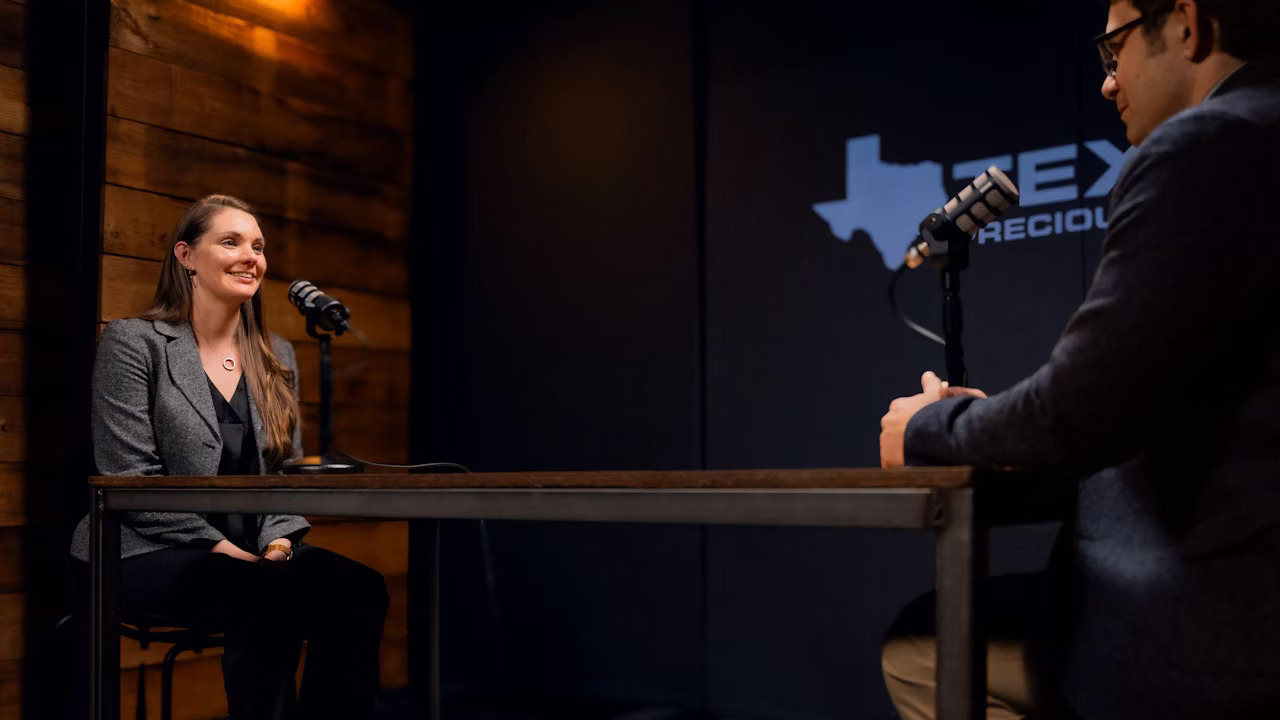
The cliché of the dentist who loses his retirement investing in a single independent slasher film exists for a reason. But according to David Henrie, actor, director, and co-founder of Novo Pictures, the issue isn’t the asset class—it’s the strategy. In his recent appearance on Y’all Street, Henrie broke down how his $25M fund is ditching the “lottery ticket” mentality in favor of a sophisticated, Venture Capital-style approach to media.
The “Wildcatting” Philosophy
Henrie draws a direct parallel between the Texas oil industry and film production. In the energy sector, “wildcatting” refers to drilling wells in unproven areas. You don’t send a crew out to drill one hole and hope for the best; you drill across a diversified geography knowing that one gusher will pay for ten dry holes.
“We look at ourselves kind of like… we’re wildcatting,” Henrie told Y’all Street. “You don’t send someone out to just drill once… you’re drilling all over God’s earth out there trying to find something.”
This is the Power Law distribution, a concept familiar to anyone in Silicon Valley. In a fund of ten projects, you expect:
- 3-4 to lose money or break even.
- 3-4 to return decent singles or doubles.
- 1-2 to be “moonshots” that return the entire fund and provide the carry.
De-Risking the Capital Stack
Where novice investors go wrong is relying 100% on equity. Henrie explains that a sophisticated media investment uses a layered capital stack to minimize exposure.
- Tax Incentives: Henrie highlights the exodus from California to states like Texas and countries like Hungary. “If a movie costs $10… you’re going to get $3 or $4 back just by shooting there.” This immediately reduces the break-even point.
- Pre-Sales & Licensing: Before cameras roll, rights can often be sold to foreign territories or streamers, further covering the budget.
- Lean Production: By avoiding union-heavy, bloated studio budgets (where equipment sits unused for weeks), agile production companies can put more money on the screen for less cost.
“If I serve my people, my people serve the company. And if I serve my people, the people serve the customer, and the customer serves the company.”
David Henrie
The “IP” Tank
Perhaps the most critical business lesson Henrie shared was about leverage. In Hollywood, leverage comes from Intellectual Property (IP).
Many producers try to pitch a “concept.” Henrie prefers to pitch a package. “They say don’t bring a knife to a gunfight. We bring tanks,” Henrie says.
This means Novo Pictures doesn’t just walk into Disney or Amazon with a logline. They develop the script, attach the talent, secure the IP rights (like the public domain Allan Quatermain novels), and package the directors. By doing the “development risk” work upfront, they retain more equity and carried interest in the project. They aren’t just employees for hire; they are owners of the franchise.
The Bottom Line
David Henrie is proving that the “starving artist” trope is outdated. The modern creative must be a creative executive. By applying portfolio theory, leveraging tax economics, and retaining IP ownership, Novo Pictures is turning the “risky” business of entertainment into a calculable, scalable asset class.
Want to watch the full breakdown of the $25M fund strategy? Watch the full episode with David Henrie on Y’all Street.