Ep. 22: Click Thompson – 3x PRCA Photographer of the Year
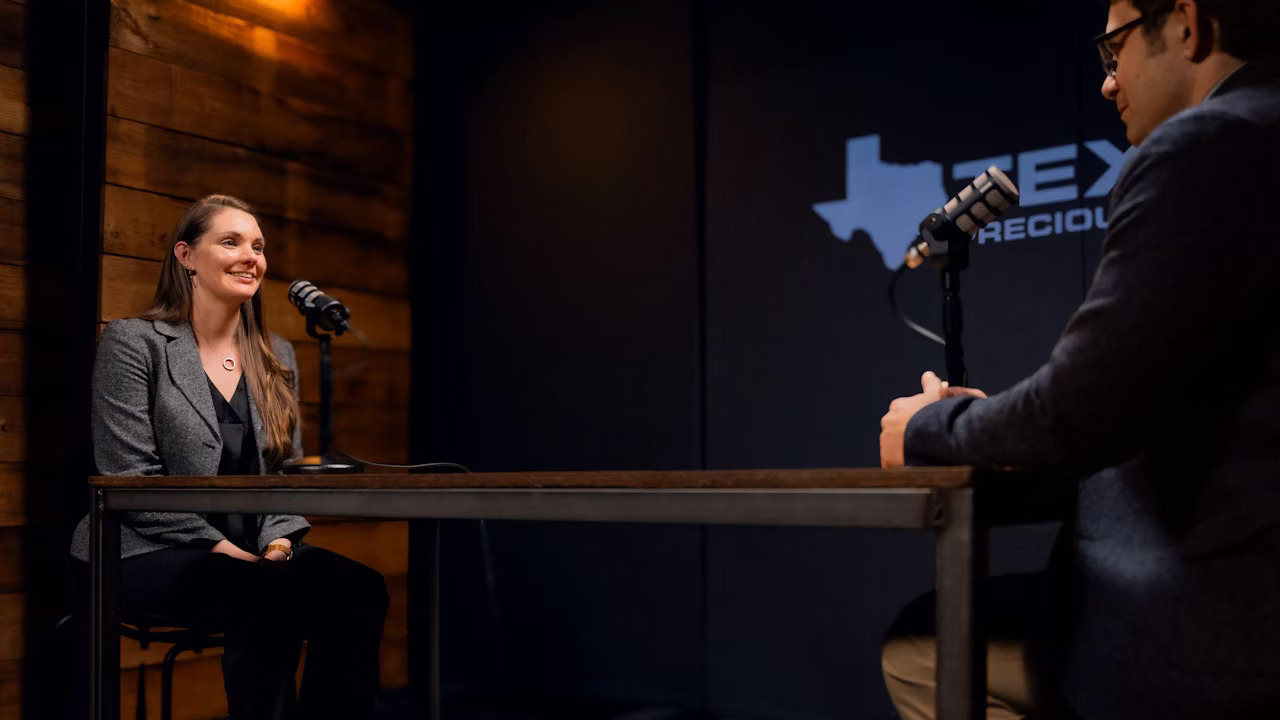
What does it take to build a profitable photography business in the Western sports industry? In Episode 22 of the Y'all Street podcast, Evan Delaune sits down with 3-time PRCA Photographer of the Year, Click Thompson. This episode breakdown highlights key insights on the hustle required to turn freelance photography into a full-time career, the physical demands of shooting live rodeo events, and how Thompson pivoted during the pandemic to keep his brand visible.
In this episode...
- Transitioning from graphic design and theme park photography to the PBR.
- Earning a PRCA card and monetizing a creative skill.
- Selling boots and hats out of a truck to survive the 2020 pandemic.
- The tight-knit community of the PRCA and the impact of the NFR in Las Vegas.
In this episode, Evan sits down with Click Thompson, the 3-time PRCA Photographer of the Year. Click reveals the gritty reality of turning a creative passion into a profitable business. From working four jobs simultaneously to fund his camera gear to dodging 2,000-pound bulls on the dirt, Click explains how he built a premier Western media brand from scratch. Whether you are a photographer, a freelancer, or an aspiring CEO, this episode is a masterclass in hustle, branding, and refusing to be average.
Key Takeaways
- The Art of the Hustle: Click didn’t wait for permission to become a professional. He balanced a DOD government job, adjunct teaching, and grad school simply to fund his travel to weekend rodeos.
- Visibility is Viability: When COVID-19 wiped out the rodeo season, Click didn’t retreat. He created the “Corona Edits” on Instagram, ensuring his brand stayed relevant and visible, which ultimately led to post-pandemic job offers.
- The “Batman” Branding Strategy: Click treats his work like a business entity. He separates the artist (“Bruce Wayne”) from the performer (“Batman”), using a highly recognizable logo to build brand equity in a crowded freelance market.
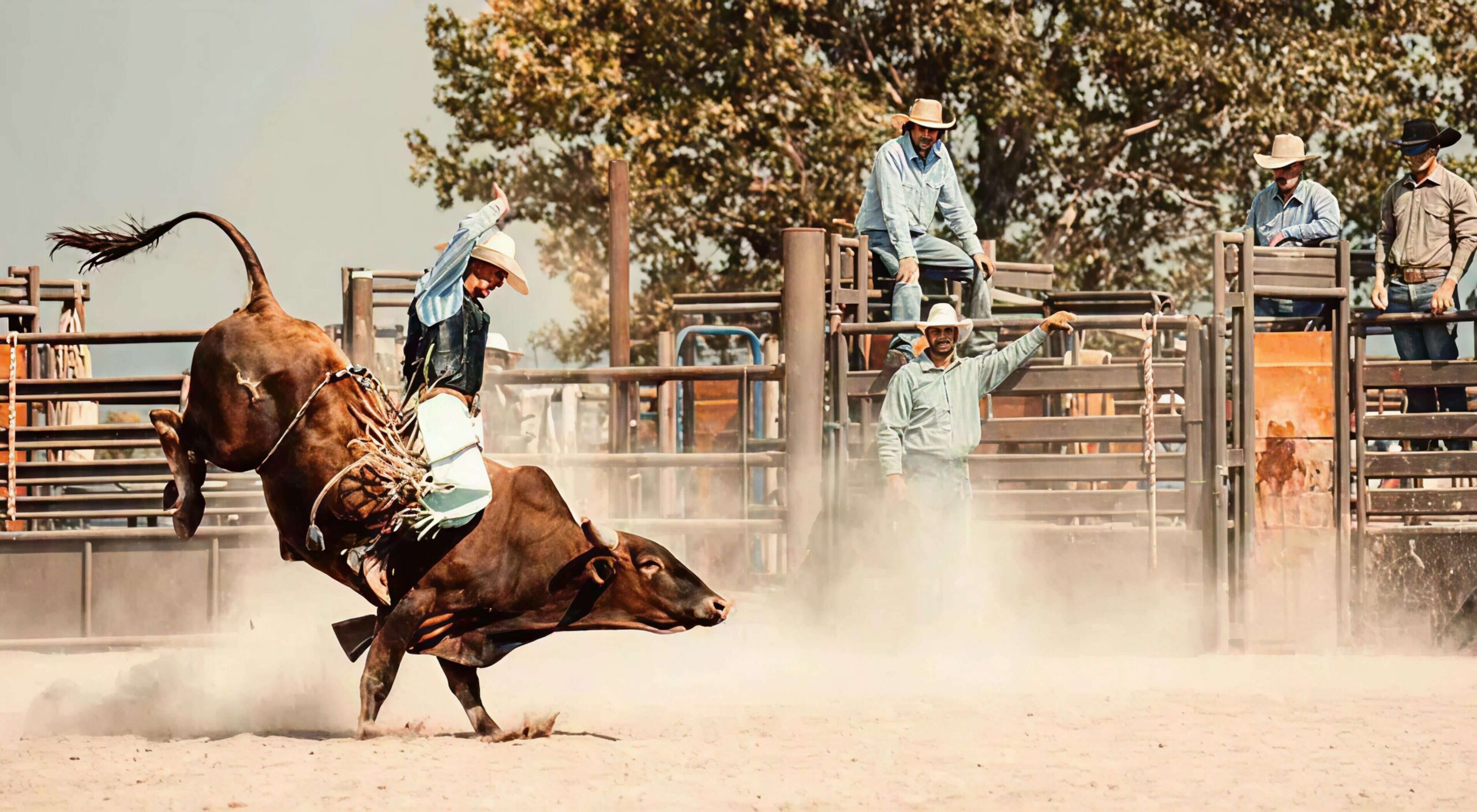
- The Physics of the Shot: Rodeo photography is a contact sport. Click explains the agility and situational awareness required to shoot on the dirt, where photographers are literally sharing the field of play with bucking horses and bulls.
- The Freelance CEO: Click highlights the reality of being an independent creator. You aren’t just taking photos; you are the social media manager, the travel agent, the finance guy, and the brand director.
Notable Quotes
“My mom always raised me… you just can’t be average. There’s no logic in mediocrity.” — Click Thompson
“I didn’t care what I was doing as long as I was taking pictures… I would literally print out the camera I wanted and have it sitting there.” — Click Thompson
“I think that’s the unique thing about rodeo athletes and photographers: we’re the social media person, travel agent, HR, trash guy, and finance guy.” — Click Thompson
Mentioned Resources
- Organization: PRCA (Professional Rodeo Cowboys Association) / PBR (Professional Bull Riders)
- Education: SCAD (Savannah College of Art and Design)
- Location: Fort Worth Stockyards / National Finals Rodeo (Las Vegas)
0:00 - 0:19
Click: And of course, in Virginia, you tell a bunch of people that you're going to leave your good government job to go be a rodeo photographer. They're like, I'm sorry, what? How are you going to do this? What's going to, you know, it was funny. My brother, I was talking to him the other day and he's like, you know what drives me insane? I'm like, what? He said, when people ask me, so how's your brother's rodeo thing going?
0:20 - 0:31
Evan: Welcome to Y'all Street. Today I speak with Click Thompson, the three-time PRCA photographer of the year. Click, you want to have a coffee?
0:31 - 0:32
Click: For sure, man.
0:32 - 0:40
Evan: All right. We got you this special coffee mug for the best photographer in professional rodeo.
0:40 - 0:47
Click: I have. I've had one of these actual mugs before, but I don't know. It's grown some legs. So I'll need another one of these. So this will be perfect.
0:47 - 0:53
Evan: Good. It's awesome. Yeah. Cheers. So you're a photographer.
0:53 - 0:53
Click: Yes, sir.
0:53 - 0:58
Evan: And your name is Click. Are those correlated or where'd the nickname Click come from?
0:58 - 1:23
Click: So it was never meant to be a nickname. I was just kind of around that AOL, MySpace time, like with my top eight and everything. And I'm like, I was, I went to undergrad for graphic design and then would later get my master's in photography, but Click was like a cool keyword kind of thing. So I just, and there's a lot of Christopher Thompsons in the world. So I went with just Click Thompson. It was never intended to be a nickname, but then it kind of stuck. So more people know me as that, my real name.
1:23 - 1:33
Evan: So, so when you were an undergrad, were you like, I'm going to take photos of people riding bulls for the rest of my life?
1:33 - 1:33
Click: No.
1:33 - 1:36
Evan: Tell me about that. Tell me when you were an undergrad, what did you want to do?
1:37 - 2:24
Click: I didn't, honestly, I didn't know what I wanted to do. My mom knew that I liked to draw and stuff like that. She's like, you're going to be a graphic designer. I'm like, okay, what's that? How does that work? And then I would quickly find it like pretty much graphic design is involved in everything that you basically see from your menus and stuff you eat from your signage everywhere. So but I think what, what happened along the way was I kind of fell in love with photography and I kind of, as a designer, I would sometimes kind of get writer's block. And then as a photographer, I could, there was that instant feedback. Like, did I do it right? Did I get what I wanted? And then over time, I realized I could kind of combine the two kind of be like this one man show for some maybe smaller companies. Like, Hey, I can shoot your product and then kind of design a layout for you and things like that. But yeah, it kind of just grew from there. And then I stumbled along the cowboy trail.
2:25 - 2:56
Evan: Are you, are you able and have you always been able just to like, to see in the picture, like before you take it? Cause there's, there's a lot of things that I'm not good at. Yeah. And there's a few things that I'm not good at that I really respect. Like people who can sing, like can't sing to save my life, but I'm like, that is awesome. People who can take pictures couldn't take a picture to save my life. It's always off centered somehow, but respect it like crazy. So is it just a natural talent? Have you learned along the way?
2:56 - 4:00
Click: I mean, it's a little bit of both. Um, I did actually sing the national anthem at a PBR many years ago. I was actually hired to shoot, to take pictures of the bull riding and ended up singing it, which I don't wish that on anybody. It was kind of God's humor on that deal. But I think just over time, you have like a natural gift. I think everyone has something that they're really good at, or just, it doesn't even feel like work. Um, and for me, it's just kind of always, I've been a very between music and, and just, I think that arts in general, just always kind of in a creative space, always like encouraged to be creative in that way. And there was really, I'd never had any pushback. It was just always kind of a, Hey, whatever you like, if you like music, do that. If you like art, do that. So there was always some type of, you know, creative imagery around me. So what I found that a lot of times it's kind of subconsciously you reference it without even realizing it. And then, so, and you kind of just hone that skill, but I think for sure it was a gift to be able to see something and, Oh, okay, I want to turn this into something else, but you still have to kind of work on it and grow it and evolve it because it is a little bit of a perishable skill for sure.
4:00 - 4:09
Evan: Yeah, without a doubt. So in undergrad, you knew you wanted to do something in kind of the arts, graphic design stuff, but you didn't know the photography.
4:10 - 4:10
Click: Yeah.
4:10 - 4:13
Evan: So you come out of undergrad, what's your life like?
4:13 - 5:13
Click: So I was working at a theme park. Like I had just started like getting into photography. Actually, it was funny. Like our, my graphic design, fortunately of the program was kind of visual communications and my specialized in graphic design. So I could kind of mix both because I basically shot concerts and then made like concert stuff from them. So it was kind of a, I made a curve ball right at the end of it all. But it was, it was kind of just, you know, figuring out what I liked. Cause I mean, and very much then it was music. Like I hadn't even hit the cowboy space yet, even after I graduated, but working in a theme park, I think at that moment, I knew that I wanted to have a camera in my hand and then like, I didn't care what I did. It was as long as I was taking pictures, like, Hey, stop for your photo every day at theme park and go, you know, plus it paid a dollar more than working in the games department. So I'm like, all right, we're going to take pictures. And then I slowly would work until I could afford my own camera and just build on that and build on that. But yeah, that was kind of the mentally where I was. It's like, I don't care what I'm doing as long as I'm taking pictures.
5:13 - 5:32
Evan: That's, that's a big piece. He said, until you can afford your own camera that I don't think a lot of people really understand about this kind of work is like, there's a level of entrepreneurship to it. So you go until you can afford your own camera. And then are, are you an employee of a company and a photographer for them? Are you doing contract work? How does that work?
5:33 - 6:51
Click: So at one time I was working at the theme park, you know, Monday through Sunday, whatever kind of deal. Um, and then occasionally if I could, I kind of started to get into the Western space or learn just what was around me. I'm in Virginia. So naturally that's not the place you think of when you're thinking rodeo, but there was a lot of there. I mean, there's horses all over the country. So definitely the equine area, barrel racing and bull riding, a lot of the big PBR bulls and the genetics go back to like the North Carolina area and stuff like that. So there was always bulls and barrels around. So I was starting to learn, Oh, and they'll take my first camera. And, and I, what I found was like, when I started hanging out with the guys was I didn't know what I was looking at yet, but like my work was a little better than what they were used to seeing. So it was kind of just like, if we can get the two together, um, then we'll, we'll have some fun, but yeah, it's definitely like working, taking extra shifts to get that little bit of money. And I mean, I used to, I'm a very like a, I do visualization. So like I would literally print out the camera I wanted and I have it sitting there and like, or I would just get in fashion. I'm coming in after you. Right. It was, it was kind of my weird little piggy bank kind of thing of that's what I want. That's what you can ask my mom. Like every day she would listen to me, listen to these tutorial videos. I have no camera in my hand, but I know how it works if I ever would touch it. So it was just kind of building up to that.
6:51 - 7:02
Evan: Right. So, so now you're out of college, you were taking photos at a theme park, then you started taking pictures of concerts and then you just like see a bull walking in the street.
7:03 - 8:47
Click: So one of my coworkers actually at the theme park, he rode bulls for like eight years and he told me about some of the local stuff. Um, I just went to that first one. I drove three hours from the house. The first time, the first one I looked at was like six hours from house, which Virginia doesn't have any interstates there. The highways are kind of designed like the state. So you kind of drive around stuff. You can't just drive straight through it. So the first one was like six hours away. I'm like, yeah, I probably can't in my mind. I didn't visualize driving six hours anywhere. Um, but the other one was three and that was still like the longest jaunt of my life at that time. And I go out there and I don't know anybody. I just messaged some guy. I'm like, Hey, can I come take some pictures? He's like, sure. You know, he didn't care. And I show up and I don't know anybody and it's raining. And that was the first time I ever saw bulls like up close. And you know, each one of them was a little bit different. And they're like, I mean, they're a foot away from me and it's just this set of steel in front of me. So it was kind of like, Oh, there's, there's all this things to shoot long before it ever got started. Like I'm just photographing bulls. I looked, I'm sure I looked like the craziest tourist ever. And then it rained. And like, there's this little tent where the secretary was sitting in the announcer stand. Here I am huddled with like 12 Cowboys. I don't know any of these guys. We're just all trying to stay dry, which what I would later find out at that particular rodeo arena, that was like the theme. They had like a summer series and guaranteed two or two out of the five, we're going to get rained on, like got it. Got it. Right. But, but yeah, it was just kind of, I was hooked, man. I didn't, it was just, there was always something to new, something new to photograph. You know, it was the first time I had kind of woken up and gone to sleep thinking about a particular image or how do I shoot that? Or, you know, what's the next thing? So I was, I was all in at that point.
8:47 - 8:48
Evan: Found a bit of a passion.
8:48 - 9:31
Click: Oh yeah. It was. And the people were awesome. Like it was, that was the first time too, I think in my adult life that I had met someone where I go, oh, well, if I just kind of foster this relationship, this person won't ever really go away. It's like, I'll always be able to call, call them. And it was, it was like that. So How old were you at this time? I was about 21, 22 about that time. Like, I mean, in the adulthood, like I could, I didn't have adult, adult money yet, but I could, you know, at least drive myself places or, and I could start kind of navigating what I want, what I liked or what I thought I liked. So I was fortunate that like the thing that I really enjoyed, I kind of found a little earlier as an adult for sure.
9:31 - 9:35
Evan: So it feels like the path is going to go straight in a few years after that.
9:36 - 11:58
Click: I, the crazy thing is, man, I don't know what the path is. Like, if you had told me when I walked across the stage from undergrad that you'd be shooting rodeos, I'm like, you're how, like there, there was no map to that. And then, and I'm the kind of person, like my mom always raised me that to just, you just can't be average. Like, you know, if you're going to do something, you gotta, you know, there's, there's no logic in mediocrity. There's no logic, like just, you know, you've got the same amount of time in a day as everybody else. So like, why not, you know, use it to be great. So, and so when I started just getting affiliated with that association, I, my goal was I wanted to be the guy. Like, if you thought about pictures, you thought about me. And it also didn't hurt. And I was the only black dude walking around with a camera. Like, it's kind of like easy marketing. I'm like, you're, you know, yeah. So, and that was kind of some of the first times where Click became a nickname. Like actually the first person ever called me was my buddy, Dave Sinar. He's like a country music guy. He does, he's a car salesman. And then he does cover music and everything. And he called me Click, I guess, for my website. And that was the first time anyone ever said that. I'm like, okay, whatever, you know, just wrote, just rolled with it. And then, and then some of my buddies and announcers, they're like, who are you? I'm like, I'm Chris. And I give them my website. And they started calling me Click Thompson. I'm like, okay, cool. And just kept going and kept going. And like, how can I make my images better? But also I found that like, once I knew what I was looking at, then that helped too. Like I jumped in with a buddy who, he was the weirdest deal ever. I drive three hours, meet this guy that's a bullfighter. He's from Texas, but he lives like 30 minutes away from me. Like, so I'm like, oh, so we're headed in the same direction every time. And I remember that first time, first time ever, like having a traveling partner, jumping in the car with someone. I'm like, man, I don't cuss a lot, but I'm like, you know what? Just make sure you kind of keep it clean. And it wasn't five minutes we get in the car and he's F this, F that. I'm like, okay, well, I can throw all that out of the way. But, and he knew he was the same way. He's like, man, your stuff's quality wise is better than what we're used to seeing. If we can, you know, if you can figure out what you're shooting, you're going to be really good, like get your timing. So then I became all in on that, but I still didn't know, like, what am I going to do? Where am I going to go? Like, I wasn't like looking up at the bigger stages. Like that's where I'm trying to get. It's just like, man, I'm just trying to figure out which way the barrel is supposed to go and you know, where the bulls come out and all that. And then here we are.
11:58 - 12:08
Evan: So you're in your early to mid twenties, you start to find this passion, but it seems like there was a bit of a detour here and there that I've heard about.
12:09 - 13:06
Click: Kind of. Yeah. So the fortunate and the luck of being young. So when I was, I think it was probably my second year working at the theme, second or third year working at theme park. And I'm like, I'm trying to figure out, okay, I need to figure out how to get my weekends off. Like now I'm like, okay, I got to trying to go to more rodeos. Like, how do we, how do we get our weekends off? So we started working on that and I eventually ended up leaving that deal. And then I went and worked at like one of those classic, I think it was called portrait innovations. Like one of those little like mom and pop kind of, Hey, stop and get your photo. You post the whole family kind of deal. And it just allowed me to work during the week so I could get more weekends back. Well then before I knew that I was, and I was still applying to grad school through the process. And so at one point in time I had gotten, I had just gotten accepted to scat for grad school. I Savannah college art and design. So I was doing that actually online cause they have an incredible online program. There's so many like just different programs they have that are available online. It's insane.
13:06 - 13:07
Evan: So you did not move to Savannah, Georgia.
13:08 - 14:36
Click: I was still in Virginia. Um, so yeah, I was still working at the ride, just let the theme park. I was working at the new portrait deal. I had just, and then actually I ended up getting let go from that deal. So that was kind of the detour. The funniest story ever is it was kind of one of those deals where you had to have a certain amount of money. Like it was a percentage deal, but I easily had worked like 50 more appointments than everybody else. So it was harder for me to move mine. And I get, I get kind of, they kind of like terminate my full-time position and then offered me like this on-call deal. I'm like, I think I'm good guys. Appreciate it. And I come home and my brother's at the house and he's, he hears the door open and he's not, he's like in another room. He goes, they cut you loose early. And I kind of show him the paper, like, Hey, I got my walk. He's like, Oh, like, but the coolest thing happened. Like I got accepted to the grad school. And as soon as I got accepted to grad school, like I can go to more rodeos. I've still, it's online. So I have the, but then one of my ad, my previous, uh, instructors from undergrad offered me a job as an adjunct instructor. So I was teaching as an adjunct instructor. I just accepted this army DOD job where I travel 75% of the time. I'm just starting my master's program and I'm going to try and shoot these rodeos. So for like four years, I was, the plate was full. Like, I thank God I went in a relationship because that wouldn't have worked out. I'd have burned that up in no time. But so yeah. And like my class was like an hour and a half one way that I would go to twice a week.
14:36 - 14:37
Evan: So you are now driving.
14:37 - 15:04
Click: So I'm driving from like, from the house to that job. So yeah, I'm working my army job. And then I would maybe leave early on like a Tuesday and Thursday to drive an hour and a half to go teach this two, two hour class, then drive back home. And then, or if I had to get on a plane, then I would have to schedule stuff for the students to do. During that week, I was gone to go to rock Island, Illinois to go photograph soldiers and then come back on Friday to then leave to go to a rodeo. So yeah, it all ran together.
15:04 - 15:06
Evan: So how old were you when you took that job?
15:06 - 15:18
Click: So I was 25 when I started that deal. Yeah. If you had to tell me like, and it was also kind of a weird time because I was also like teaching like on a college level as an adjunct instructor.
15:18 - 15:25
Evan: So is that on the weekends? I mean, how, how are you traveling 75% teaching? Are you still in grad school at this time?
15:25 - 16:44
Click: So yeah, I had started. Yeah. So kind of an idea of what the schedule looked like. So like online, usually we wouldn't have to submit too much stuff on Monday. So usually that was kind of like your free day, um, depending on the semester, either the classes would be on Mondays and Wednesdays. So the class was about a two hour and 50 minute class. So, and basically it was basic photography. So I was kind of framework, the foundation ground up. Um, but so I was, I would have to go there twice a week. So that's basically a three hour drive there and back. And then you taught for basically three hours. Um, and then mentored like, cause once you start sharing information about life outside of just the class and you've always got a mentor, you end up getting, you know, but then there was also, I had the first time I ever taught the class, I had a guy that was 55 and in my head, I'm like, well, what am I going to teach this guy? Like he's lived life twice over since before I even hit the ground. Um, so that was kind of a unique thing. So that's twice a week. I would do that. My VOD job when I was home was seven to three 30 was like our hours during the day. Um, and then whatever I had on my online classes. And then the rodeos were usually on the weekend. I wasn't like doing any big ones.
16:44 - 16:56
Evan: So, but you're still doing local rodeos on the weekends as well. And it is in your mind, is it still rodeo is the end goal here this time? Or were you just kind of like, let me spread my arms wide and see what comes?
16:56 - 17:10
Click: I enjoyed it. Like it wasn't, that wasn't the end goal. It was, it wasn't until like I started doing some stuff with the PBR. And, um, I think I started in, that was about 2013 when I first, everything I ever did.
17:10 - 17:11
Evan: Oh, that's early PBR.
17:11 - 18:58
Click: And then we, I want to say around, so around 2012 is when I kind of ended up with all these things all at the same time. And then I kind of started doing my P expanding into the PBR stuff, but it was still just the weekends, but it'd be here or there. And then kind of fast forwarding a little bit, I was doing that. And then it got to the point where I could kind of start picking jobs, what I want to do. And then I was like, Oh man, if I can string a few of these together, I may not have to be in an office or, and it was like going back to those guys you first met when you make that phone call. Or I had a guy call me one morning, I'm sitting in the office and my army, my DOD job was awesome because it was so much creative things. You meet a lot of really good people. And I remember he was, my buddy called me one morning, he's like sitting under a trailer or like a long deal trying to catch this cow. And I, and I remember going, man, I'd rather be there right now. Right. And then like, I'm sure it's kind of a crappy job, but like, man, I'd rather be there right now. And then, so that kind of helped feed the demon of like, man, how do I, how do I go? How do I go? And then I got the call for my first PVR finals in 2016. And I'm like, Oh, because I was already still in shock of like, man, there's a lot of rodeo photographers. Like, how does he like, why does he want me to do it? Like I had just kind of volunteered if there was one in town and I knew the guy who would like hire people if he was in town, I'd help him out, but I still would buy tickets to the deal. And I was kind of fortunate because a lot of those local bull ridings that I was doing, a lot of those guys were starting to make it to the PBR. So there was always someone on that level that I knew. So there was at least one friend somewhere. So that helped out a ton. So yeah.
18:58 - 19:13
Evan: By this time is, is social media really blowing up? Are you having to learn like, not only do I have to perfect my craft and photography, but I also have to kind of be an influencer of such social media wise. What was that like at this time?
19:13 - 22:17
Click: I'm still navigating it, trying to figure out what I wanted to share. I think I've always been, and it's pretty rare that you'll see something that like, wasn't my idea. I'm pretty authentic at that. What I want you to see is what I want you to see. If I, I can, I'm not as bad as I used to be. I'd go a month and not post anything, but like I learned, okay, then I got to kind of build up the traction again, every time I would go again. So I always try to stay more active, but it was funny, like my logo, which now is everywhere. That was one of my coworkers of the DOD job made it. She was just doing, she was really good at designing icons. And we were just sitting there visiting one day and I was like, how do you like, how much do you charge for a logo? She's like, man, I don't charge enough. It's probably like a hundred, 200 bucks. I'm like, I'll give you $300 right now to just to do something. Right. And I just turned it over to her. And I remember getting that whole palette of just a couple of different like brand stuff. And I'm looking at this logo and that was the first time too, that I had anything that was my face. Like I always wanted my name to associate and let my work do the talking. I didn't want anything to ever be me. And when I looked at it, I'm like, man, and I, and I can't see it now, but when I first saw it, it was something. And I had to look at it again. I'll have to pull it up where I could kind of see a bull's face kind of in mine. I'm like, that's it. Right. Like I'm going to do that. And people took to it, man. Like everyone, when I started doing patches and everyone would want patches and things like that. So it was a cool thing, but like learning, I think too, like as an art student, you really don't learn how to be a business person. So that's something you have to learn sometimes on the backend or like you have to through experience. And it was the same thing, kind of learning how to be a marketer and how to brand yourself and how to, but I understood as a designer, the importance of a brand. Right. I'm like, okay, what's consumable, what's easy, what's good. Like people can bam. Right. So I think subconsciously that kind of helped. I wasn't like, oh yeah, let's just do this. But I was thinking like, how do I, you know, cause of the logo I had was basically just like a shutter and it had like a little mouse clicky thing on it just for click. And like, so, but I was like, man, like I liked it, but I could see people starting to do similar stuff. So I'm like, how, what can I do that's different that separates me from everybody else? I'm like, well, my face is the only face that looks like my face. So we'll go with that. Right. So let's just do that. And yeah. So, but it's definitely been like a learning process of, and I kind of always have looked at it like a Batman, Bruce Wayne thing. Like the artist specifically is like Christopher. Like I always want to, the craft is important to me and I always want to be good at that. But like when it's showtime, you kind of have to be Batman and you know, it gotta be Batman. And you know, so it's kind of, but that's been a good like balancing thing for me where like, if I find myself spending too much time with Bruce or do I need to go back to Batman and kind of back and forth. So that's been a cool thing to have, but.
22:17 - 22:26
Evan: So that, that first PBR event, where was it? What was that like walking in? I mean, for people, describe a PBR event too, for people who haven't been.
22:26 - 23:39
Click: A PBR event is a, it's a rock show, man. Like it is unlike anything you've ever seen. And I've gotten the opportunity now to like sit down and watch them. Cause usually there's always a camera in front of me, but I mean, it is, it's action packed. It's energy the whole time. Like I remember we used to do tours and like Richard Jones, who's the music guy, he'd be like, you guys like this? Can we have a tour of people? And he's like, you guys like this country music? Like, yeah. He's like, good. Cause you're not going to hear any of it. Like it's, you know, hair flying, there's going to be music blasting, but it's just high energy bull riding. Yeah. It's just eight seconds, man. Can you, can you survive? I mean, it's, you know, you're going to get a few wrecks. You're going to just, I mean, and to the average person, it's a bunch of crazy guy, but it was a cool deal. Cause we went to so many markets that don't ever see Cowboys. And it was just such a good crew. Like when I first started, like Matt Merritt, who's here in Sioux Falls, like I've known Matt since 2012, 2011, like early. So he's definitely, and it's been fun every now and then I would say, man, this ain't like our old deals we used to do that, you know, a little, little back home deal. So it's, it's been cool to kind of grow with him too and be on the bigger stage. But yeah, PBR is, is bull riding.
23:39 - 23:40
Evan: So what was that first one like?
23:41 - 25:50
Click: So there were two different moments that the first one I did kind of, it's kind of on my own, was a smaller deal. I think it was in, might've been Hampton, which is Hampton, Virginia, about 45 minutes from me. And I, and I would later do more stuff with that. But the first ever Built Fort Tough deal I ever photographed was in Baltimore, Maryland. It was like the first of the year, maybe the second day it was so cold. It was, it was like, and it was funny because when they, right there on the Harbor and when they would open that door to load, load bulls in and out, I mean, that Gus would come in there and just the whole time you just, that's the one event I've ever seen like bull riders with hoodies and jackets over top of them, like pulling bull ropes right inside the building. And, but that was kind of like, man, this would be really cool. Again, that man, if we can string a few more of these together, like, how do I get back to this? Right. And like I've always said, like rodeo bull rides, worst drug in the world. Like once you get it in, there is no, it's yeah, it's, it consumes you or as I call it my, my dark mistress, but, but yeah, man, just, and, and just learning along the way, but still having a little bit of a feeling like kind of, this is kind of where I'm supposed to be. And it was just kind of a, and there were already people I knew there, but then like now I'm hanging out with world champions and like, there's Ty Murray and Glamour Marchie and JB Mooney. And you're like, they're all right there. Right. Which is a unique thing about the Western industry is like, we're so, we still maintain the ability to be accessible. Like, you know, you know, you can, after all you got to do is go to the fence and you can have a guy sign your autograph, or you can go to a meet and greet or host hotel. You can stay in the same hotel the Cowboys are in. Right. And for no extra charge, you just got to pay to stay there. Right. So I always just appreciated that. And like that, you know, it made all the guys as, as heroic and as iconic as they are, they, they're also humans. So, and that was cool to be a part of that. And then, and then be recognized by anybody, you know, just someone was like, Oh man, you know, or we saw your picture. I'm like, okay, that's cool. Like insane.
25:51 - 26:06
Evan: That's amazing. And so what was the process like to getting from that? You're doing all this stuff all at the same time, made a deal with the devil to get like 30 hours in a day. I don't know how you did it. What was the process like to get to that, to fully, completely Western photography?
26:07 - 26:30
Click: It was, so I'd done, it's probably the fourth, no, it was about my third year. I'd done the finals of the PBR finals. And I'd been to Texas a few times to do a few events. And it was kind of like, and I love Virginia. I don't want anyone to everything. Like I am a Virginia boy until the day I die. But you go somewhere and you immediately, you're like, this is where I'm supposed to be.
26:30 - 26:31
Evan: It's like bull riding. It's toxic.
26:31 - 29:15
Click: Yeah. Yeah. You're like, you get to Texas. Yeah. In Texas it's tricky. Like those who, like, if they like you, it's an open word. If you don't, like they're doing everything to push you out. And, but like, I had a, like, I got into like, I would always, like, my mom would always say, don't go no where wrinkled, don't go no where ashy. And I was always like, I'd started with like the best hat store. Like, I was like, what's like everyone that I like paid attention to was getting hats there. I'm like, so I would go to, I have a job in Texas and I would specifically make a detour to go to that hat store. And I hang out and take pictures and just visit. And again, you never knew who was going to walk in the door. Like it could be a world champion and you have to be cool, man, just be cool. Right. And so I already had a whole established set of friends out in Texas. I was starting to meet people and it was the pool. So I started kind of working on a game plan. How am I gonna move to Texas? Like I'm going to move to Texas. And of course in Virginia, you tell a bunch of people that you're going to leave your good government job to go be a rodeo photographer. They're like, I'm sorry, what? How are you going to do this? What's gonna, you know, it was funny. My brother, I was talking to him the other day and he's like, you know, what drives me insane? I'm like, what? He's the one people ask me. So how's your brother's rodeo thing going? He's like, you can like Google him. Like what are you talking about? So, but yeah, at first it was like getting everybody, not necessarily getting everybody to buy in, but kind of explaining to them, like, what are you going to do? Yeah. And so, but yeah, it was that feeling of you start to that, go and make a good amount of money on the weekend and come home to that office. You're like, man, this is not as fun as it was two days ago. So yeah, I kind of started building a game plan. And then in 2018, I left, I retired, I left my, my, my government job. And actually what I used to do, cause I was running out of PTO on the weekends that I had free weekends in Virginia, I would go to the office and we would print targets. So we would print these large targets and I learned how to use the whole printing system. So I would build hours on the weekend, just like, like an assembly line. I'd run the printer and then I run the stuff to the other side. I cut them in box, the whole deal and the print off the manager. He loved it. Cause he'd come in on Monday and there'd be 20 boxes full of targets, print and cut it and done everything for him. He's just looking at the checks. It was more like, yes, but I could use that to get more PTO or times off. So basically like my last month, I wouldn't even at the office, I was just, you know, getting ready, but yeah, then I moved to Texas with my $10,000 and I'm going to go be a rodeo photographer. And I left January 2nd from Virginia, was in Texas the third and on the fourth, I was shooting a bull riding.
29:15 - 29:20
Evan: Is that Fort Worth? Awesome. How's Fort Worth? Do you like, you're still in Fort Worth now?
29:20 - 30:36
Click: So I've always been, I have been all centered in Fort Worth, but I've been adjacent either. I was in Decatur and I'm in Weatherford. So it's all like, you know, a 30 minute drive, but yeah, man, it was just, I, when I was there, it was like, you, you were kind of in the headquarters of it. Like everything kind of grew out from there. Like, yeah, when Yellowstone hit, it was everywhere there. Like everyone's moving, like Taylor's got a bunch of properties and stuff there now. So I knew it was like, man, and that was a place where if I could just be kind and be a friendly person, I could find work. Like, I mean, I can't tell you how many times I've bumped into somebody, you get to talking and not like, like I met Tia with Pendleton Whiskey at a store in the stockyards. And like, they've hired me the last five years to do stuff for them to do the roundups, something like that. So, um, you know, I've met John Wayne's kids at a hotel there. Like you just, you just never know who you're, who you're going to run into there. And it was just like some, like, and like, especially there in Fort Worth, like, and I've always said this about Fort Worth, people go to Fort Worth to feel like cowboys. And like, so, and that was my deal, man. I said that was going to be the next level and rock and roll. And it was slow. And, but then we started gaining a little traction and then we had a pandemic.
30:37 - 30:50
Evan: Yeah. So 2018, you moved down the end of 20. So 2019, 2018, 2019, you moved down and then COVID happens like about a year later. And how did that change everything, man?
30:51 - 32:21
Click: Everything stopped. And I got talking about a hustler. I've, I started selling stuff that I didn't need. Like I play bass guitar a bunch. There were some basses that got sold. I'm like, I just said, are you going to be a photographer? Are you going to be a musician? I'm like, I'm going to be a photographer. I'm like, well, some of these nice basses got to go and breaks my heart, but Hey man, we gotta, we gotta pay the bills. But, um, man, I, I did some, uh, unclass or classified COVID weddings around May. I, uh, worked at, I did a, um, when it later about 21, I actually started working for like a, like a photo booth company. Um, my buddies at Finolio, I used to go to their warehouse and I'd get some of their old stock. And I'd be like, what do you got to have for this? And I fill up the whole bed of my truck. And I drive down the stockyards and I sold boots out of the back of my truck for gas money or whatever. Uh, I sold hats. I'd re I would buy crappy hats and like reshape them with a teapot and sell them again. Just whatever, when we weren't taking pictures. And I love it. Cause my, my roommate at the time, he worked at best hat store. So they're still selling hats. He leave in the morning and his little, his little healer would sit there and watch that door close. And then he turned around and look at me. I'm like, grab a spot on the couch, cowboy. Cause there ain't nothing going on. We're just applying for jobs, looking for stuff. And, and yeah, we, we got through somehow magically. Um, and my, my brother always reminds me, he's like, dude, you survived the pandemic without having to get a day job. So, you know, if you're looking for moments of success, you got the hustle.
32:21 - 32:34
Evan: So, so did PRCA completely stop?
32:35 - 33:47
Click: Most of the rodeos for a, like, I would say that summer, there really wasn't anything like there was like even the PBR, like until the PBR kind of did that first deal back in Guthrie.I can't remember when that was and everybody had to get the test and the deal had to go all the way up in your brain and all that. But yeah, that was a super, like everyone was, didn't know, like couldn't work. So there was probably like May, June, there was really nothing. And it was like really trying to figure out how we're going to get, and I remember like we, I had just done the American in February and then like March kind of, we're like, Oh, this is going to be a thing. How's it going to affect? It's spreading really fast. Um, and then, you know, we're, we figured out on the back half of the year, how to start to figure out ways to work and how to, you know, have tests and do all these things. And, and it was still kind of a mystery of how you can contract it and stuff like that. But it was an interesting time because you know, you could just be riding with somebody and if they popped hot, then everybody in the car can't go work. And you know, so and you're already working with a skeleton crew at most events. But yeah, a lot of rodeos kind of, and it was funny. So I had worked in the PRCA, you have a permit process to get your card. So I was on my permit 2019. I finished all the stuff. And I remember like January 2020. This this letter shows a Hey, you got your card. And then there's like no rodeos to shoot. So you're like, Okay, well, here we got that.
33:47 - 33:49
Evan: What is the process like to get a PRCA?
33:49 - 34:30
Click: So in your for photographers, so like for contestants, you pay your fee. And then you have to basically earn $1,000 on your permit, and then you can buy your card. For photographers, we would have to you submit a portfolio and then you have two letters of recommendation from other photographers. And then you get your permit and then you have to shoot five rodeos. You we also have like an evaluation process. So there's someone who will be either they try to tell you to shoot a rodeo where there's another photographer so they can evaluate you make sure you're safe and all that kind of thing. Because the unique thing about rodeo photography, which is kind of, you're literally on the field of play. Like I can get ran over by a bucking horse with a guy still on you are you are down on the dirt.
34:30 - 34:31
Evan: You're on the dirt.
34:31 - 34:31
Click: Yeah.
34:31 - 34:32
Evan: Wow.
34:32 - 34:33
Click: That's the I did not know that. Yeah.
34:34 - 34:36
Evan: You can be photographers are on the dirt.
34:36 - 34:50
Click: So like here at Sioux Falls, there's about two or three, there's about two of us. Like, but if we just left Pendleton, where there's 20 of us out there, there's no, there's no behind the panels. It's just a big football field of grass and everyone's out there.
34:51 - 34:52
Evan: So as your agility got a little better.
34:52 - 35:40
Click: Oh, I mean, my basketball, I have had to make some, some little bullfighting those bullfighting schools I used to go to helped out because you learn how to avoid horses and bulls and, and how to not be the last person that, you know, training with the agility ladder. Those little, there's so, and that's the thing. A lot of people don't realize photography is so physical, but like, like I've had bumps and bruises this year, your knees hurt. I've gotten like tennis elbow. Cause you're kind of in this fighting stance for three hours. But yeah, it can be pretty labor intensive. You know, I wear little knee pads in my jeans just to save my legs. Cause you know, especially around the rust stock in like all that dirt gets packed so hard. So it feels like concrete when you kneel on it. So yeah, there's a lot of little things of navigating.
35:41 - 35:51
Evan: So you work all 2019 to get this PRCA card, which just gives you kind of pretty much full access?
35:51 - 36:06
Click: Not full access, but now you're basically a member of the association. So you get all the benefits. Now you're eligible to like apply for the NFR, do all those things at the end of the year. Obviously the PRCA, when they use our imagery, they pay us. And it just gives you, it gives you more access to do more things with your work as well.
36:06 - 36:07
Evan: A bit of a made man.
36:07 - 36:08
Click: Yeah. In a way.
36:08 - 36:18
Evan: In a way. And so you do that, you work all 2019 to get that. And then the world stops and you're selling boots out of the back of your truck in Fort Worth.
36:18 - 37:16
Click: Selling boots. So actually I started going back to Instagram and marketing. I recognized early on that this was an opportunity to get better at something, whatever it is. So when this all, when we all started back moving, now you're ahead of the game or you learned a new skill or whatever. But I'm like, oh man, how do I stay relevant or current? So I would go back through a bunch of, I had started this deal called the Corona Edits. And I would go back through my old library and every day I'd edit a picture like I would now versus how I did back then. And kind of do a back and forth. And I actually got hired for jobs off of that. Cause it looked like I was always doing something where other people are like, oh, there's nothing to shoot. I'm like, well, there's something I can be editing and working on. And I got better at cooking a little bit and just editing and staying visible. I think that's a big part of my success is being visible.
37:16 - 37:24
Evan: Yeah. And I mean the life of entrepreneur too, right? Of I can't do this. Let me learn and get better at that, right?
37:24 - 37:45
Click: You know, no day is the same. You know, you're always planning for today, tomorrow, and in the future too. So just navigating and figuring out. And honestly, I appreciated that time because it kind of allowed us, one, as creatives to get a little better. It got you a moment to reset. And I think it gave people a lot of opportunities to grow.
37:45 - 37:48
Evan: So now five years later, you're a four-time.
37:48 - 37:48
Click: Three-time.
37:49 - 37:49
Evan: Three-time.
37:49 - 37:50
Click: Maybe four. We'll see.
37:51 - 38:07
Evan: Four-time NFR photographer, right? Okay. And NFR is National Finals Rodeo, Cowboy Christmas in Las Vegas. It's the big event. And you're a three-time PRCA photographer of the year. So you're like 60% since 2020. You're on a run, dude.
38:08 - 38:31
Click: So in the military, we call it fast tracking when you get promoted to a certain level. So kind of quick overview. In five years when I started shooting rodeo, I shot my first PPR finals. In 10 years, I shot my first NFR. And since that same year, I've shot the NFR and been the photographer of the year every year since.
38:31 - 38:32
Evan: Every single year?
38:32 - 38:33
Click: Every year since I started.
38:33 - 38:39
Evan: So that's 22, 23, 24? Oh my gosh. Is everybody else like, dude, get this guy out of here?
38:39 - 39:35
Click: Like, man, I think, and I think those are two different things too. Because like the NFR, you're selected by a committee that looks at everyone's work and reviews stuff. So, and then the photographer of the year is actually voted on by the members of the association. So it's kind of two different kind of voting scales kind of thing. So it's been cool to be both of those things because then it kind of validates it. You're not just a popular guy. You're actually also good at what you do. And that's the thing that I always want to, but I also say like people will remember you for who you are and not what you did. So like, I mean, I look forward to the day where I can tell some young kids back in my day, I used to be this old rodeo photographer. I was pretty good, you know, but you know, and I found that like, man, if I can, you know, always try to encourage people and just be a good person to people, people that get excited when they see you, like that's going to elevate everything else too.
39:35 - 39:44
Evan: So, so let's get into that PRCA bit first. So in order to be the three-time PRCA photographer of the year, you're traveling.
39:44 - 39:45
Click: Yeah.
39:45 - 39:46
Evan: How much?
39:46 - 40:22
Click: So to be eligible, you have to do eight rodeos and 20 performances. So say if I did rodeo Houston, um, that would count as one rodeo. It's about 20, 30 performances, but I still would have to go to seven more rodeos. But this year, actually, I just checked before I came in here. I think we're at 32 rodeos and 106 performances this, this season. Um, that's not including like the clinics I teach or some of the other events that are outside of the PRCA, but for sure I can four to five months that I don't sleep in my bed a year.
40:24 - 40:37
Evan: How is that? Do you, do you enjoy the travel? I mean, most, most events are not like the Eastern rodeo. Most events are a weekend, two or three events in the weekend. I mean, how, how, how is that traveling all the time? Do you enjoy it?
40:37 - 42:45
Click: It changes from year to year. There's like, when you're on the, when you get to the end of a long run, you're just like, I just want to not be here. Right. You know? Um, but those moments when you're on the road and you get to see, like, there's so much of this country that I've seen just because I wear a because I was in town at a rodeo or, you know, like Sioux Falls or just Las Vegas. Right. Um, and I remember I took a young kid out there in Las Vegas and he was grew up in a town of 3,000 people. I actually wouldn't even think, yeah, about 3000 people. And we walk out of the Thomas and Mac and he's just looking, he's just like in awe, all these buildings. I'm like, and I'm like, and I'm just like, you've never seen anything like that. Have you? He's like, no. I said, every one of those buildings has more people in it than living in your hometown. And he's like, but that's the cool thing for me too. Now is that I've also been able to give those opportunities to other people and younger photographers and creatives and people just, um, man, that's the, that makes the traveling fun. Like when you're around good people, like for me, it's a family reunion every weekend. Like I can always reference the old stories of like, like Chuck Swisher being there when I sang my or not, when I sang the first national anthem at a or, you know, just, or when you've, you know, you had this moment with a particular contestant or you like, and that's been the cool part too, is like building those relationships. And a lot of times what's helped is them from just outside of the rodeo arena, expands into like some of the commercial work that maybe you do with a particular company. So then that allows me to get to know a contestant a little bit better. So now when I get in the arena, we're hanging out, like, you know, so, um, that's the cool part about it. I get to see my extended family all the time. Like some of the boys back home on the dark crew don't get to hang out as much. So, um, but yeah, it's just trying to find the balance. I almost now have to like book rest, you know? So, because I mean, it's needed, like it'll, like I said, it's a physical thing. Um, but yeah, I think same reason I took that DOD job, like I'm going to go while I can go actually on my, on my phone screen now it says the wind is at your back and like, while I can go, we're going to go.
42:46 - 43:02
Evan: Yeah. I, we had Cody Webster in the depository a few months back and he was talking about his schedule and he was like, yeah, I have to like find time to rest because I'm just like, I'm so busy. Like it's, it's not, it's not carve out work. I'm not looking for work. I'm looking for rest.
43:03 - 43:39
Click: And I, and I love Webster. Like, I mean, he's the one person that I've, and I've told this to him that like, if I could tell if anybody wants to do anything involved in this, you need to look at Cody Webster. Like when I say it's a drug, it's a sickness. It's like everything he does is revolved around it. Like he thinks about it constantly. He's like, how can we get better? How can, not only can I get better, how can I make this kid better? Um, so, you know, so he's already helping grow the generation and help grow the future. Um, and he's consumed with it and to be up like the best in the game and the PBR side and the PRCA side, insane. Like it's phenomenal.
43:39 - 43:59
Evan: Tell me a little bit more about the community around the PRCA. I mean, how you're traveling, but you're not necessarily like you're traveling alone, but you're kind of with the same people a lot of times. I mean, what does that look like for you? Are you kind of getting dinner with the same people or you have your friends, your little extended family, as you said, man, it changes from weekend to weekend.
43:59 - 45:40
Click: Like everyone kind of has their clicks, so to speak that they kind of gravitate to. But, um, but like, say you go somewhere. Yeah. It's just, it's like having a home team everywhere. Like, oh man, I remember working with you at this one deal and maybe you haven't seen someone in a couple of weeks or several months. And like, you get to like grab dinner or like visit or have breakfast and things like that. And like some of the best people I've ever met in my life will give the shit off your back. I don't ever have to worry about breaking down anywhere in the United States because either someone's in front of me or somebody's behind me. Someone like, I mean, I could probably most of the couch, there is a couch somewhere I can sleep on in every part of this country. Um, yeah, it's, it's, it's incredible to build that kind of relationships with people. Um, and then now you're so invested that now you get to watch people's families grow. And I remember me as a photographer, like Martha Angeloni, who's from Virginia. Like I've been photographing her since she was yay high and swung a rope the wrong way. And like, here we are in the same arena together. And like, I got to be there when she was crowned a world champion and like to take that picture. And so like, so you get those special moments too. And like, you're forever intertwined with these people. So I could try to leave, but I'm not, you know, there's no shot, right. You know, you're going to be involved in it some way, somehow. So, I mean, it's, and they're just such good people. Um, and I, and I think in the, in the NFR it's fun because that's the one time of year where everybody's in the same place and you really can then see how many people you've impacted, influenced, interacted with, uh, shared, you know, had dinner with. Oh, it's so fun.
45:41 - 45:44
Evan: Speak to what exactly NFR is for, for people who don't know.
45:44 - 46:29
Click: So the NFR is the National Finals Rodeo. This will be our 65th year, I think, 60, it'll be their 40th year in Vegas, but I think it's like the 64th, 66th year. Um, it is our Superbowl of rodeo. It's the richest two weeks of my life, longest two weeks of my life. Um, but everybody in the Western community, not just rodeo athletes, but all the equine disciplines, there's usually, there's always somebody there. Um, we take over Vegas for two weeks and we, you know, we just, and it's the coolest just display of cowboy culture and just, you know, everything involved with it. And of course it's culminated with the finals for our, the top 15 in the world and we crowned world champions there. So that's amazing.
46:29 - 46:41
Evan: And so I feel like this is fair to say after three straight wins as the best photographer in the PRCA, when you go to NFR, I mean, you're like the man, you go where you want, you do what you want.
46:42 - 47:41
Click: I mean, I can't go where I want. In fact, it's hard getting anywhere. Like, like there's some days, like if it's late at night and I know I've got to like, we're going to go through the side door. Cause I know some of my friends over here at the bar and we're going to lose another hour if I get clung up there. But like, man, it's as tired as it can, you can get sometimes there from those long days, like the love that you see from your friends and, and just, um, you know, I think the thing for me is like, when I go to the NFR, like if I must select it for the NFR, if I'm selected as photographer of the year, like for me, it's like, now, now you got to go prove it. So it's kind of, it's kind of, you know, now the work continues a little bit. Like, I don't really enjoy it. I do enjoy it in the moment, but like, I also enjoy the work of it. And like, I like to confirm that and prove like, you know what, like we are going to be the best we're going to like, and that's the, the energy that I try to instill in my assistants crew. Like, Hey man, we're, we're here to, we're not here to take park. We're here to take over.
47:41 - 47:56
Evan: See, I just love the, like all the, I can see so many similarities to like the business mentors and entrepreneurs that I've had in you of like, it's about the ride, baby. Like it's, it's about the process where we're doing it to be the best. Like that is why I love it.
47:56 - 49:27
Click: Yeah. I mean, I was listening to a podcast recently and Coleman Proctor was talking about it. It's like, man, if you're going to practice with me, like we're here to be great. We're not here to be good. And that goes all the way back to my mom saying, man, we can't be we can't be wrinkled. Like we can't be average. Right. We're, we're here to, you know, we're here to be great, man. Like, and, and I, and I remembered that moment, like when I was sitting back home in Virginia and Virginia is always fun to go back to because no one knows who I am there. So like you do two weeks of, you can't go anywhere without someone stopping you to just a quiet coffee. No one cares who you are. How's that rodeo thing going? You know, you know, the pastor of my church back home. Who's my cousin. Didn't know people called me click until like two years ago. I'm like, what, what's happening. But you appreciate that. Cause you can turn it all. But I remember sitting there and go like, cause I always ask myself at the beginning of the year, like what's success now? Like, cause I remember that feeling of moving to Texas and, you know, doing the NFR and being crowned photographer of the year. And I come back home and I see my roommate and like, soon as I saw him like, Oh, now what do I do? Right. So every year I always ask myself, like, what is success now? Like, how do we grow? What's, do I want to travel as much? I want to travel a little bit less. There's a certain rodeos I want to go to that I didn't go to before. And I remember it, man, like the goal is to be great and just humbly and all lowercase letters be great, but like pursue that. And, and, and it's fun doing that.
49:27 - 50:04
Evan: Yeah. Well, it's, it's, it's the lesson of like, do everything that you do the best of your ability. There's no reason to do anything else. And it's, I mean, you, you clearly have done that. I mean, and you, you had this exponential rise in, in, in growth and, and popularity, all that kind of stuff. What, what is next? I mean, when you look at the next year or five years, do you want to get into film? Do you want to do something else? Do you just, do you want to continue to do this? Do you want to truly master it and be, you know, an old gray bearded man? Who's, who's looking back at it and telling stories and raising up the next generation?
50:04 - 51:00
Click: I don't got too much longer for that. They're already starting to pop out, but man, it's continuing to grow. And like, who knows, like I could say today, like, man, like continuing to build on that. But like, I could go in January, like, man, maybe it's changed a little bit. We've evolved, but you know, continue to set a standard of excellence and like help our industry grow, because I think it benefits every person that's involved in us. If like, there are good imagery out there and like people who are carrying the torch, working on some book projects, working on some gallery shows maybe kind of some digital, like masterclass kind of stuff to kind of expand for like people who maybe aren't able to travel to clinics, but still want to learn. You know, there are some film ideas, like, I don't know if I'll be shooting it. I definitely will see myself kind of as a director, because I have some projects and stories that I want to tell. Because when you get to know people on the road, there's so much stuff that people don't see.
51:00 - 51:04
Evan: I bet the stories of some of these cowboys are amazing.
51:04 - 51:44
Click: And it's the same for me. Like, I could post the coolest picture in the world. But if I post what music I'm listening to today, more people are interested in that, or like what I'm wearing, sometimes than like the images. So I think people are really interested in your process. You know, I used to say I'm more interested in your order of operation rather than your thesis statement. Like, why do you do what you do? Because that's what reveals, like, I think what makes people great is like their motives and why they do things. And, you know, why do you take your hand a certain way? Or, you know, why is the saddle shaped a certain thing? Or like, why do you use this camera? Why do you use this lens? You know, or, you know, all kinds of little quirky things. So.
51:45 - 52:19
Evan: Well, I feel like people respect the work. But more than that, they respect the person who is able to create that. And that, that is the cool. That's probably why people like to hear the music. That's why people like podcasts like this, because they get to sit and just hear you talk for an hour about your story. And like, that's what they care about is like, how did that guy, not just what did he do, but how did he do it? Because people who have that ambition, they want to do that as well. And so you, it looks like you had that wide breath super early on last few years. You've really narrowed and focused. Are we going to widen out again?
52:19 - 53:12
Click: Probably. I like shooting other sports. I like doing, I've always enjoyed doing portrait work. I'm trying some other just artistic deals, man. It's just, but I I'm going to approach it the same way I've done everything else. It's like, don't, we're not going to do it half ass. We're not going to do it when I'm not interested in being mediocre. Right. You know, that's the thing. I'm like, adult hobbies are expensive because you don't want, like, I'm not going to do it crappy. Like we're going to, if we have, if we're getting into framing, we're gonna get the nicest frames or we're going to learn how to do that now. And it's in a way I learned many years ago, like something you, sometimes you have to pivot or something doesn't go your way. And then the next thing you pursue to try, like, this is going to be my deal. And every time I approach something like that, it ends up being for everyone else anyway. So like, why not just lean into that ahead of time?
53:12 - 53:23
Evan: Well, I love it too. Cause it's like, what is, you know, what does clip do? Oh, he's a photographer. Well, yeah, but he's, he's also the CEO really of a photography company. If you think about it like that. Right.
53:23 - 54:03
Click: Oh yeah, man. When you, and I think that's the unique thing about rodeo athletes, like we're social media person, travel agent, administrative person, HR complaint department, you know, luck, luggage carrier, trash guy, you know, whatever you need, you know, um, finance guy, you know, so, um, but so you through, through the fire, you'd learn a lot about business. You learn about what works. Um, and then, and then you'd learn a lot about time management. Cause like, even as I repeat the stuff that I've done, I'm like, how did I get all that? You know, you're right. You're like, how did that was, that's like four full-time jobs on top of but that's amazing. I did it cause I could.
54:04 - 54:09
Evan: Yeah, absolutely. So where can people find you? Where can they look at your work?
54:09 - 54:50
Click: We're going to put some of your pictures kind of interweaving in, um, where can they find you? Um, ClickThompson.com is my website. Um, you can find me on Instagram at click Thompson. Um, my Snapchat, I'm a little slow, but I'll get to you eventually. Um, but yeah, anything click Thompson, there'll be some new projects, some more things coming out. Just, uh, man, I want to continue to share this world and show my work. And so you never know where I might pop up. You know, merch is coming. I've been, I need to, I do like half, half merch, but now we're going to, we're going to actually push and do get some good merch to get some, we'll have coffee, but I've done like pop sockets and fidget spinners in the past, but we'll have, we'll have cups, the whole deal, hoodies. We're going to, we're going to make it happen.
54:51 - 54:52
Evan: Well, thank you.