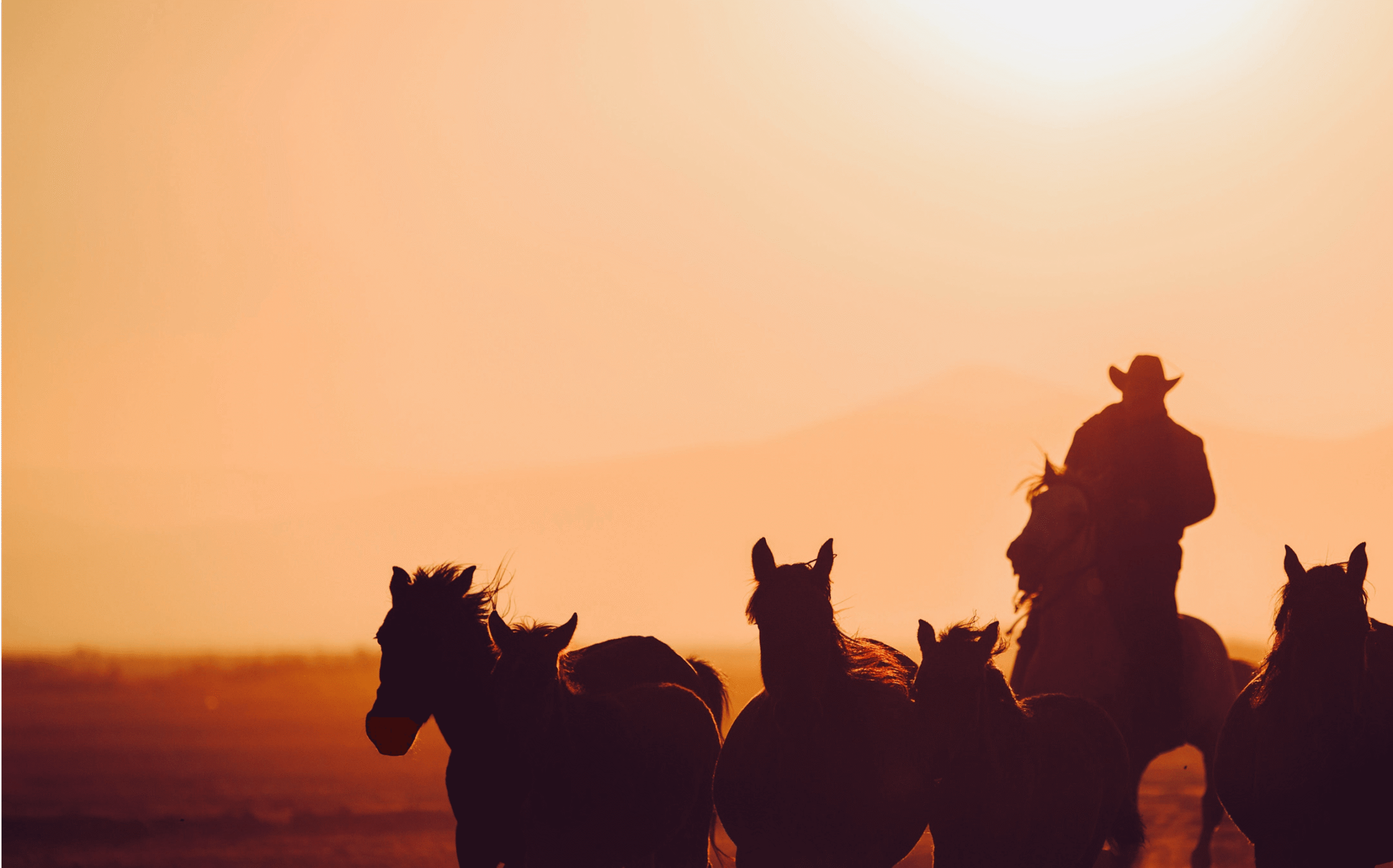
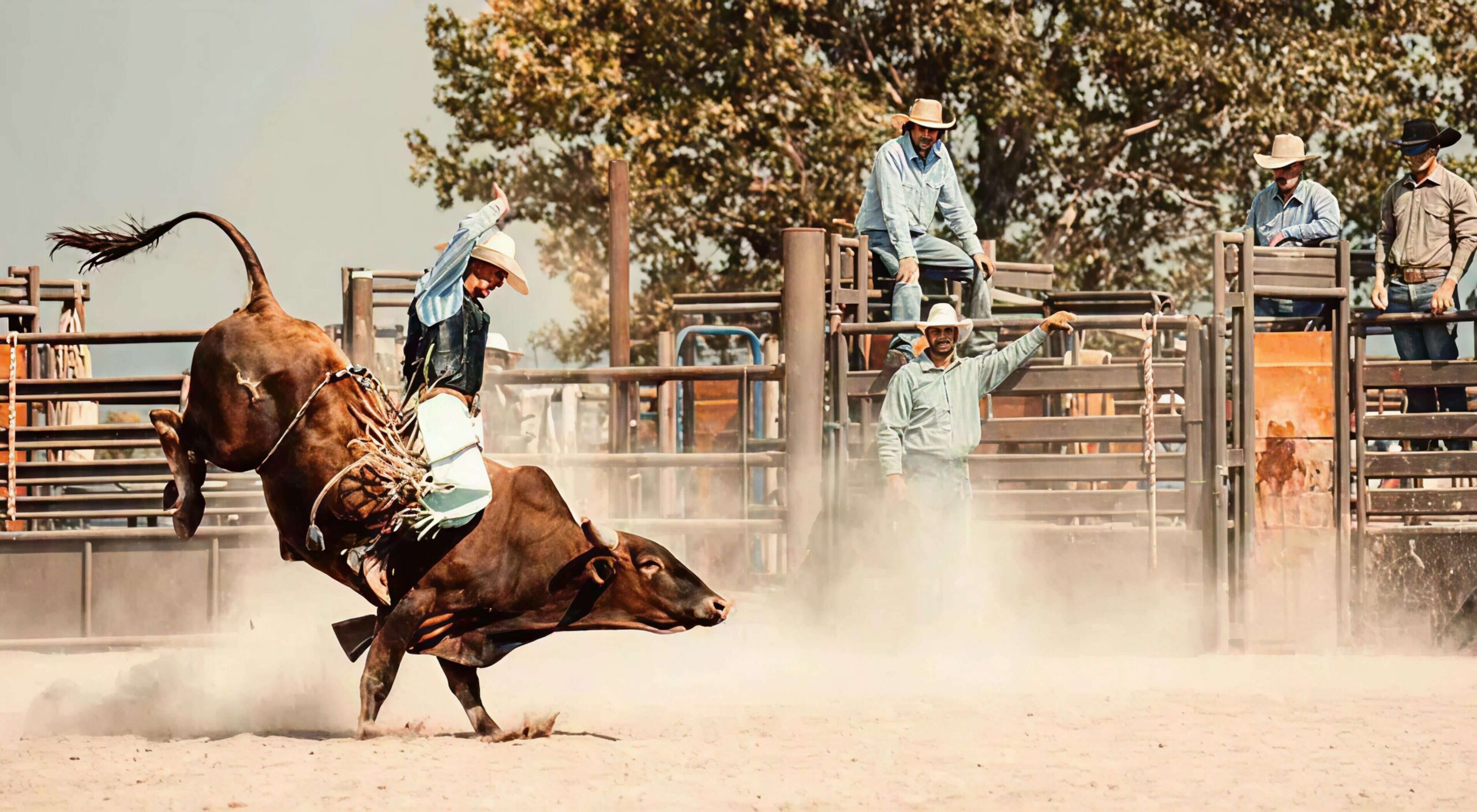
If you get your knowledge of the American West from hit television shows, you might think modern ranching is a glamorous world of dramatic shootouts, helicopter rides, and trips to the “train station.”
Tom Opre is here to tell you that reality is much harder and often overlooked.
As an award-winning filmmaker and founder of the Shepherds of Wildlife Society, Opre has spent his career documenting the gritty truth of conservation. In a recent episode of Y’all Street, he sat down with host Tarek Saab to discuss his latest documentary, The Real Yellowstone, and the growing tension between urban voters and the rural communities that produce our food.
The Urban Disconnect
For most of human history, society was tied to the land. Today, over 90% of Americans live in urban or suburban environments. This migration has created a clear disconnect regarding where our food comes from and what it takes to manage natural resources.
“You know, when they wake up in the morning, they flip a switch, they expect the lights to come on,” Opre explained. “The next big decision of the day is a chai latte or a caramel macchiato. But two-thirds of the world doesn’t live that way.”
This disconnect carries real consequences at the ballot box. Urban voters, driven by emotion rather than peer-reviewed science, increasingly support policies that restrict wildlife management and land use. The burden of these policies falls squarely on the shoulders of multi-generational ranchers.
“To be a conservationist, you have to conserve. It’s a physical act. It’s not a state of mind. It’s not an emotion to be a conservationist.”
Tom Opre
The True Cost of Apex Predators
In The Real Yellowstone, Opre highlights the financial realities of running a ranch. These families operate on razor-thin margins, at the mercy of commodity prices, fertilizer costs, and Mother Nature.
But they also face a unique threat: the public’s wildlife.
As conservation efforts have successfully recovered species like grizzly bears and wolves, these apex predators have expanded out of the mountains and onto private prairie land. Opre notes that these predators don’t just pose a safety risk; they are an economic drain, killing calves that represent thousands of dollars in lost income. Furthermore, large herds of elk frequently migrate into irrigated hayfields, consuming up to $150,000 worth of vital winter feed in a matter of weeks.
“I like to say they are the largest set of multimillionaires that are the poorest set of multimillionaires in the country,” Opre remarked, emphasizing that ranchers may be “asset rich” in land, but are chronically cash poor.
The American Prairie Controversy
The tension in Montana is further amplified by outside money. The Real Yellowstone investigates the American Prairie Reserve, a well-funded initiative aiming to purchase millions of acres to create an “American Serengeti,” complete with free-roaming bison.
While the concept sounds appealing to city dwellers, local ranchers view it as a serious threat to their tight-knit communities. As wealthy NGOs drive up the price of land, sometimes paying $10,000 to $25,000 an acre for ground that cannot sustain cattle at those prices, working ranches are priced out. The loss of these ranches means the loss of critical institutional knowledge regarding land stewardship.
The Value of Conservation
Opre firmly believes that the solution lies in the North American Conservation Model, where the “wise use” of natural resources—including sustainable hunting—provides a tangible value to the land and the wildlife.
Whether it is a rancher in Montana recovering costs by leasing land to hunters, or a subsistence farming community in Zambia utilizing hunting revenues to build schools and clinics, wildlife must have a value to survive.
“To be a conservationist, you have to conserve. It’s a physical act,” Opre stated. “If we don’t see a value, we have a tendency and a track record not to take care of things.”
With The Real Yellowstone, Opre isn’t just making a movie; he is starting a critical conversation about the future of the American West. It is a reminder that you cannot separate the human element from conservation.
Listen to the full interview with Tom Opre and learn more about The Real Yellowstone on Episode 15 of Y’all Street.