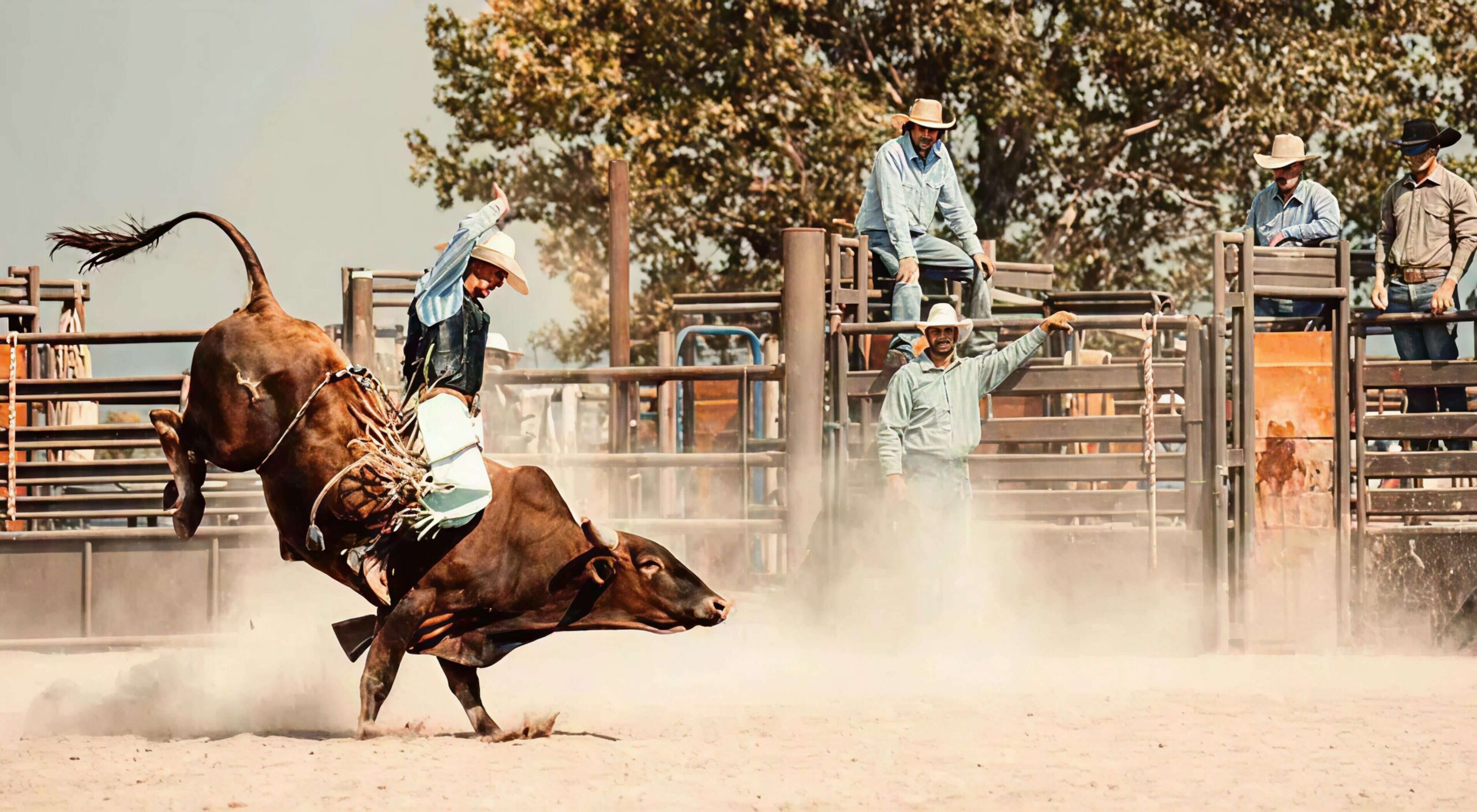
In the world of Western sports, the barrier to entry is notoriously high. To become a stock contractor—the person who supplies the bulls, horses, and infrastructure for a rodeo—you typically need three things: land, livestock, and a family legacy.
Tyler Kijac had none of them.
Kijac, the winner of Ultimate Cowboy Showdown and founder of TK Pro Rodeo, grew up in Michigan dairy country, far from the rodeo dynasties of Texas or Oklahoma. Yet, today he produces over 60 rodeo performances a year and serves as the go-to consultant for Hollywood blockbusters like Twisters.
How did he bridge the gap? He utilized a strategy that terrified his competitors and confused his mentors: He sold the event first and figured out the logistics later.
The Goat Roping MVP
Kijac’s entry into entrepreneurship wasn’t glamorous. It was born out of desperation. Living in Oklahoma with no money and a truck that required starting fluid to crank, he needed to sell two horses. When no one would come to look at them, he manufactured a reason for them to show up.
He organized a “goat roping” event in his barn. He didn’t own the goats; he struck a revenue-share deal with a neighbor to borrow them. He put a “For Sale” sign on the horses in the background.
The result? Over 600 teams showed up. He sold the horses, but more importantly, he made more money from the entry fees than the asset sales. He had stumbled upon a Minimum Viable Product (MVP). He realized he didn’t need to be the cowboy risking his neck; he needed to be the man collecting the gate.
Scaling via Sub-Contracting
Most aspiring business owners wait until they have the capital to buy assets before they sell their services. Kijac inverted this model. When a barn owner asked if he could produce a full-scale rodeo, Kijac said “Yes” immediately—despite owning no bucking chutes, no sound system, and no bulls.
“My thing was: never say no,” Kijac told Y’all Street. “So they say, ‘Can you do this?’ Of course. Figure it out later.”
-Tyler Kijac
He sub-contracted every piece of the puzzle. He rented the bulls, hired the announcer, and leased the equipment. He acted as the general contractor, taking a margin on the spread. This allowed him to build a brand—originally “TK Rodeo”—without the crushing overhead of carrying costs.
From the Barn to the Big Screen
This relentless problem-solving mindset is exactly what landed him on the set of Twisters. When Universal Studios needed a rodeo scene filmed in an abandoned parking lot in Spencer, Oklahoma, they didn’t need a rancher; they needed a logistics expert.
Kijac built a professional arena from scratch, hauled in specific dirt to match the lighting requirements, and coordinated 600 extras and livestock movement overnight. When the director asked if they could drop a horse trailer from a crane into a pool, Kijac didn’t ask why—he asked where.
The Business Lesson
Tyler Kijac’s story is a reminder that in the “Go-To-Market” phase, agility beats assets. By focusing on the customer experience and the showmanship of the event, he was able to bootstrap his way into the PRCA, eventually buying his own high-end livestock genetics only after the cash flow was established.
He didn’t wait for the farm to be handed down to him. He built the arena himself, one borrowed goat at a time.
Hear the full story of Tyler’s transition from PBR bull rider to business mogul on the latest episode of Y’all Street.